Better Sleep,
More Energy,
Less Pain.

Why Thoughts Do Not Travel at the Speed of Light: Brain Wiring, Myelin, and Signal Velocity
Why do thoughts travel at 270 mph rather than the speed of light? The biological parallels between optic fiber and nerve axons, the vital role of myelin insulation, and evidence-based ways to optimize neural speed.
- → Thoughts move at 270 mph, not the speed of light: Nerve signals do not rely on free electrons in metal, but on the physical movement of ions across cellular membranes (Rushton, 1951).
- → The myelin sheath is a biological fiber optic jacket: Composed of lipids and proteins, this specialized insulation prevents charge leakage and accelerates conduction velocity by up to 100-fold (Ford et al., 2015).
Reading List

Why Can't We Put Our Phones Down? Dopamine Nation, Anna Lembke's Framework, and Its Scientific Limits
What does Dr. Anna Lembke's Dopamine Nation actually argue? Explore the paradox of plenty, the pleasure–pain balance metaphor, self-binding strategies, and where the peer-reviewed evidence draws the line.
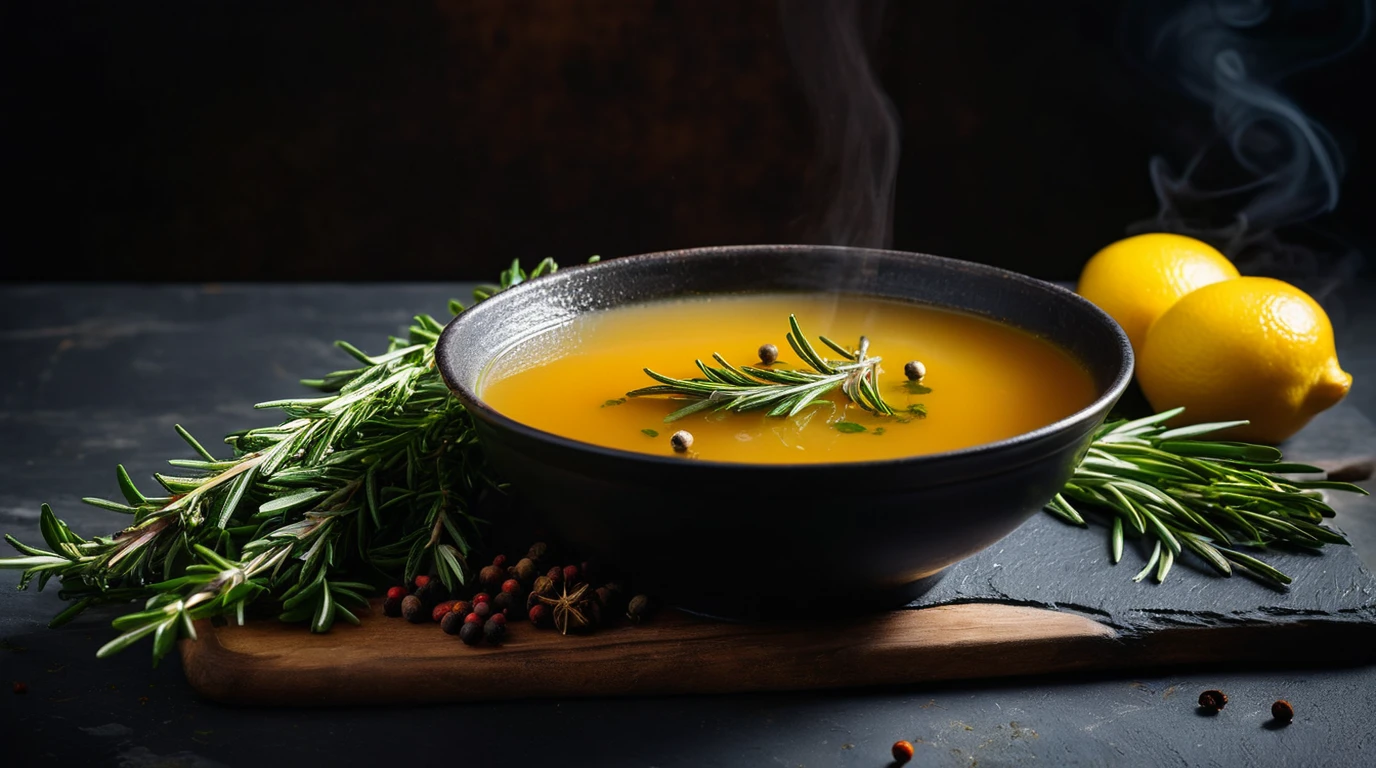
Can Bone Broth and Collagen Truly Heal the Gut Barrier? Tight Junctions, Immunity, and Clinical Realities
How realistic are claims that traditional bone broth and collagen peptides heal intestinal permeability (leaky gut)? An evidence-based review of glycine, proline, tight junction proteins (ZO-1, Claudin), and the gut-immune axis.
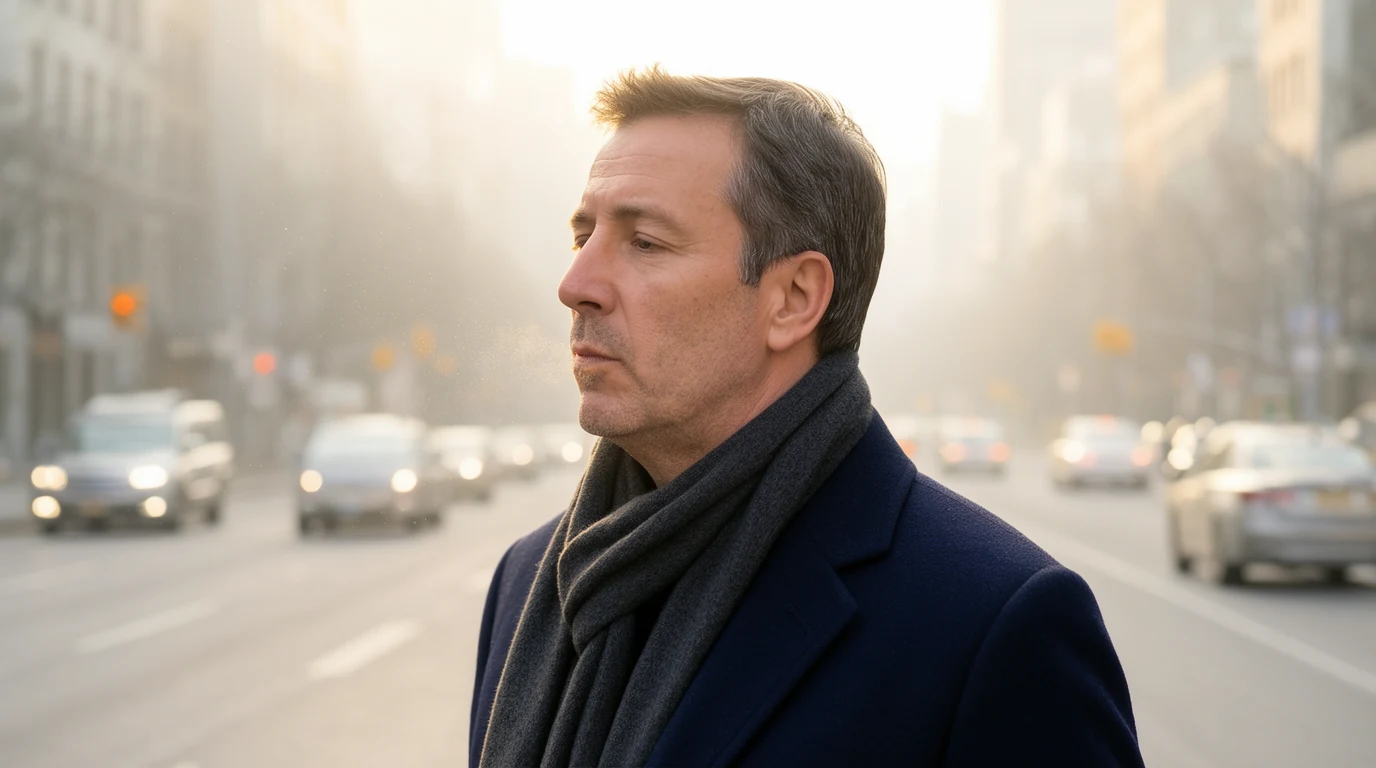
Does Breathing City Air Accelerate Brain Aging? Evidence on Air Pollution and Cognitive Decline
What do comprehensive systematic reviews reveal about ambient air pollution, accelerated brain aging, and dementia risk? Scientific evidence, limitations, and actionable protective measures.
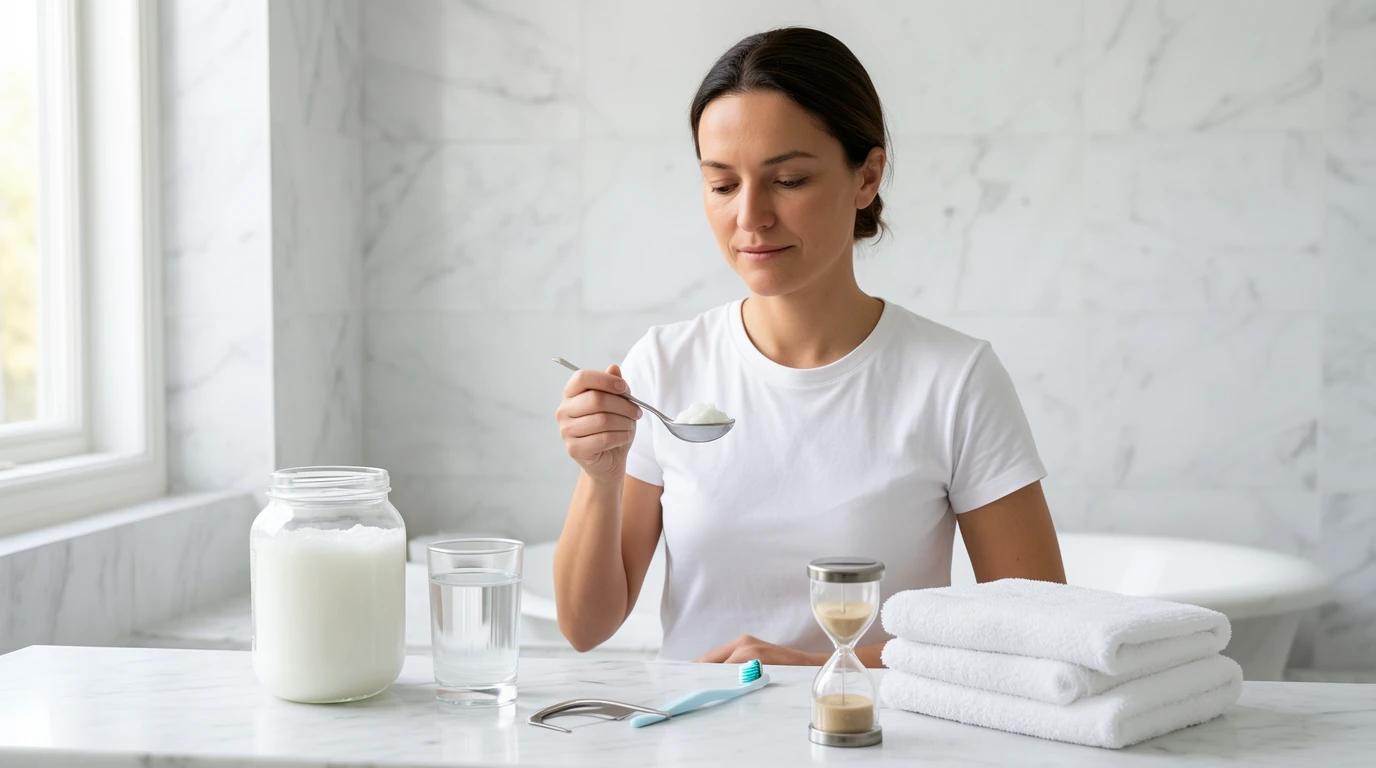
Does Coconut Oil Pulling Actually Work? The Biology of Oral Hygiene, Plaque Reduction, and Gum Health
Does swishing coconut oil on an empty stomach in the morning reduce dental plaque and gingivitis? Lauric acid biology, clinical trial evidence, and safe protocol.

How Should We Change Our Note-Taking Habits to Learn Faster and Permanently? Brain, Synapses, and the Science of Understanding
Discover why verbatim note copying lulls the brain into passive complacency. Explore concept mapping, the Feynman synthesis, and dual coding to forge durable synaptic circuits.
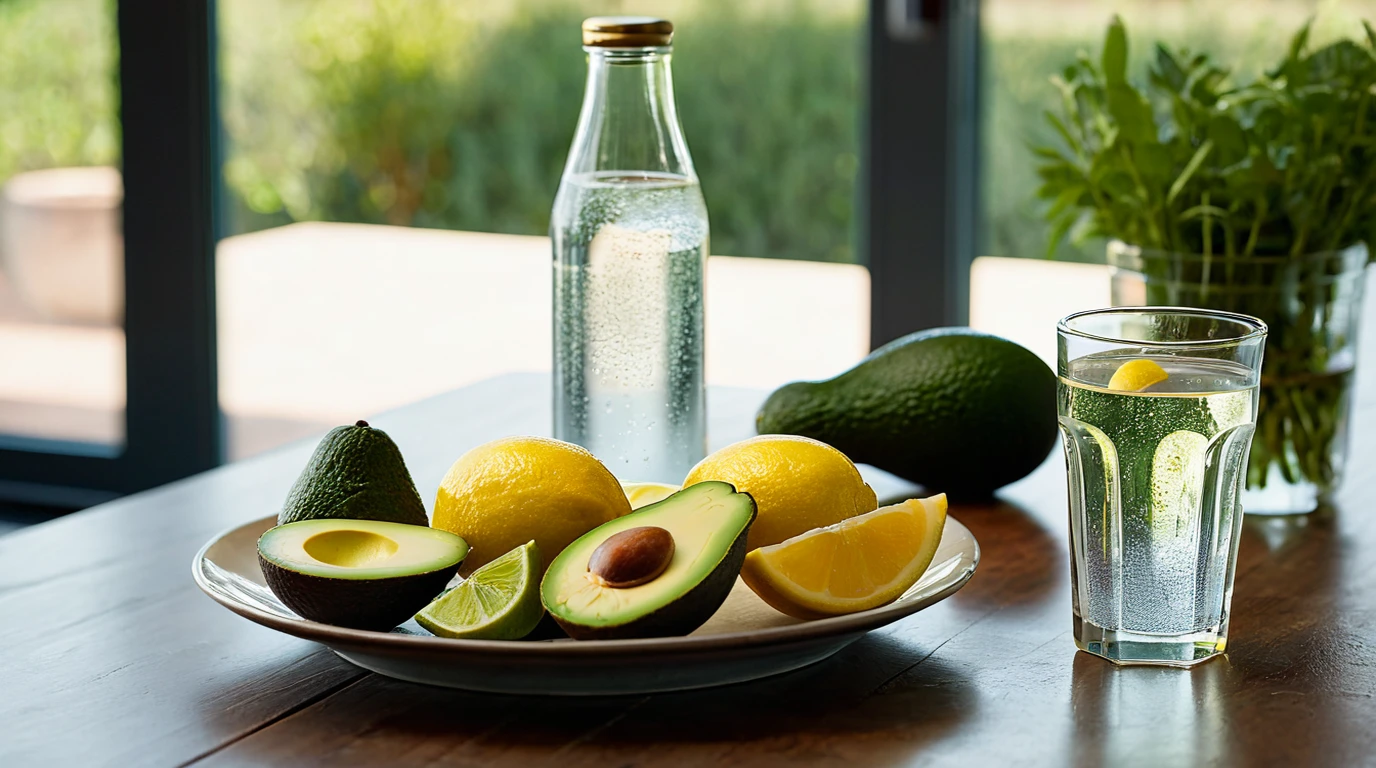
Is It Truly Possible to Increase Insulin Sensitivity and Reverse Resistance? Cellular Biology, GLUT4 Translocation, and Daily Lifestyle Protocol
Is post-meal fatigue and stubborn weight gain an inevitable fate? Discover the cellular biology of insulin resistance, the muscle's backdoor glucose gateway, and evidence-based lifestyle solutions.
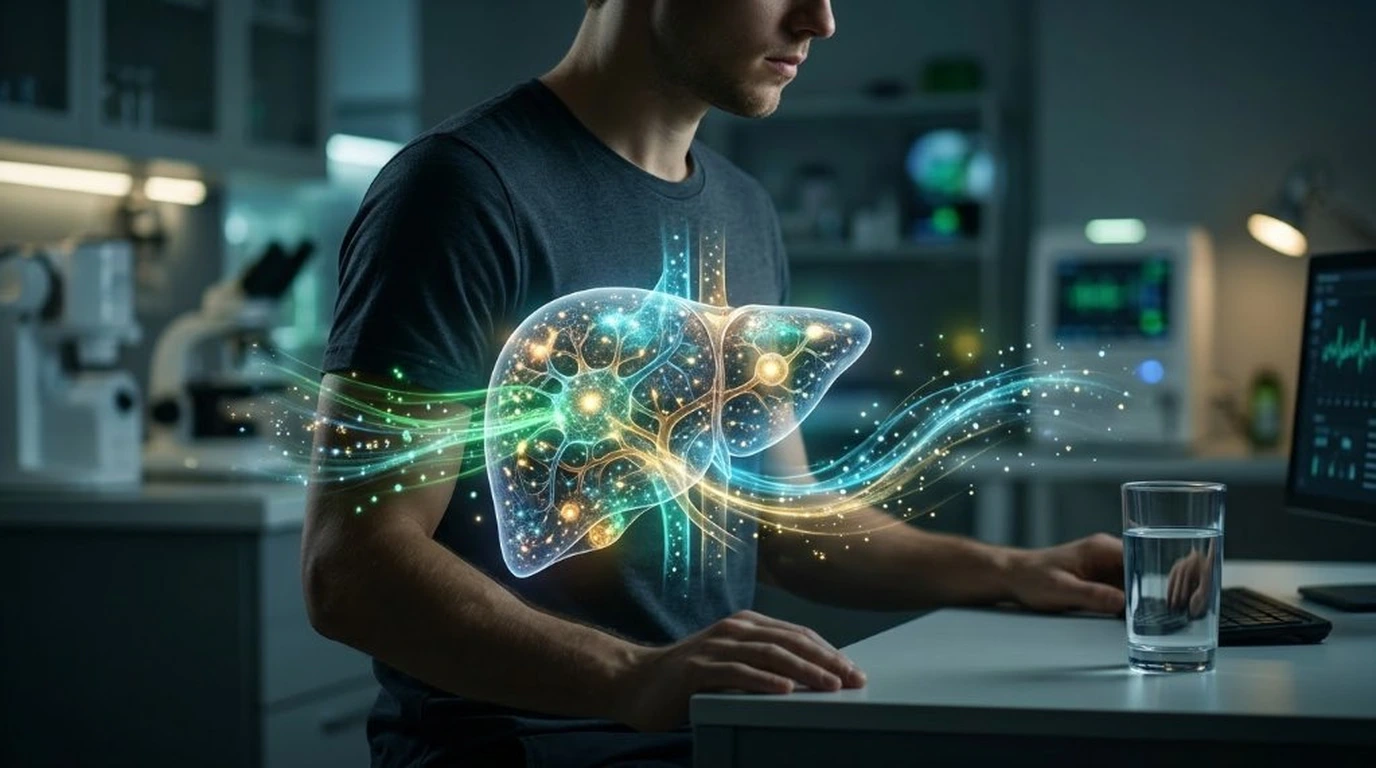
Is the Liver Really the Body's Chemical Factory? Phase 1-2 Detoxification, Traditional Perspectives, and Evidence-Based Liver Support
Discover the 500+ vital functions of the human liver, the dual-phase biochemical detoxification pathway, and evidence-based nutrition protocols to optimize cellular purification.

Is Your Home Slowly Poisoning You? The 360° Household Detox System and Evidence-Based Ways to Lower Environmental Toxic Load
Volatile organic compounds in indoor air, flame retardants in house dust, PFAS leaching from scratched cookware, and heavy metals in tap water: an evidence-based 360° household detox guide.

Southeast Asia Longevity Trends: Evidence-Based Health Solutions
How Okinawa and Asian longevity traditions intersect with geroscience; exploring Hara Hachi Bu, fermented polyphenols, and practical nutritional habits.
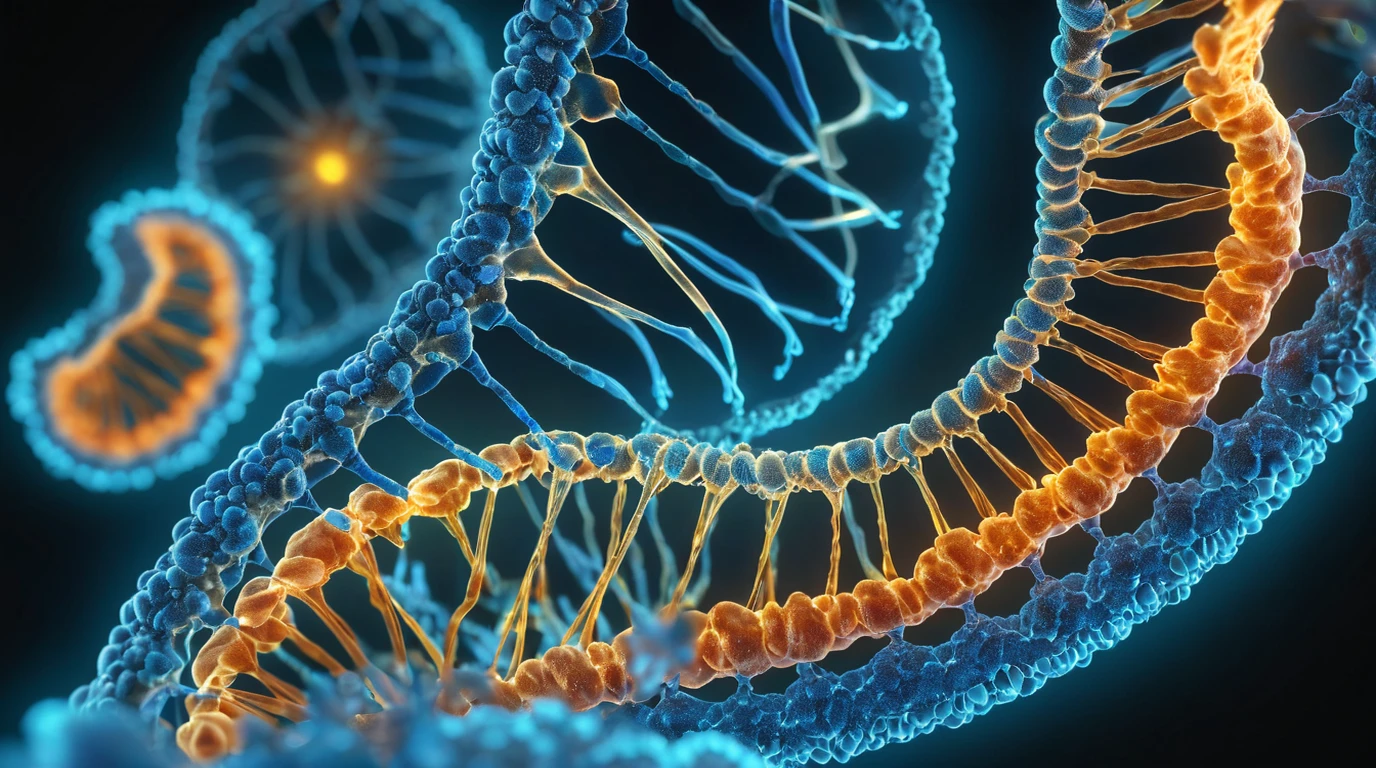
What Really Happens to Our Cells as We Age? Cellular Senescence, Shortening Telomeres, and Mitochondrial Decline
The underlying biology of aging and fatigue: how senescent zombie cells accumulate, mitochondria lose efficiency, telomeres wear down, and evidence-based ways to maintain cellular vitality.
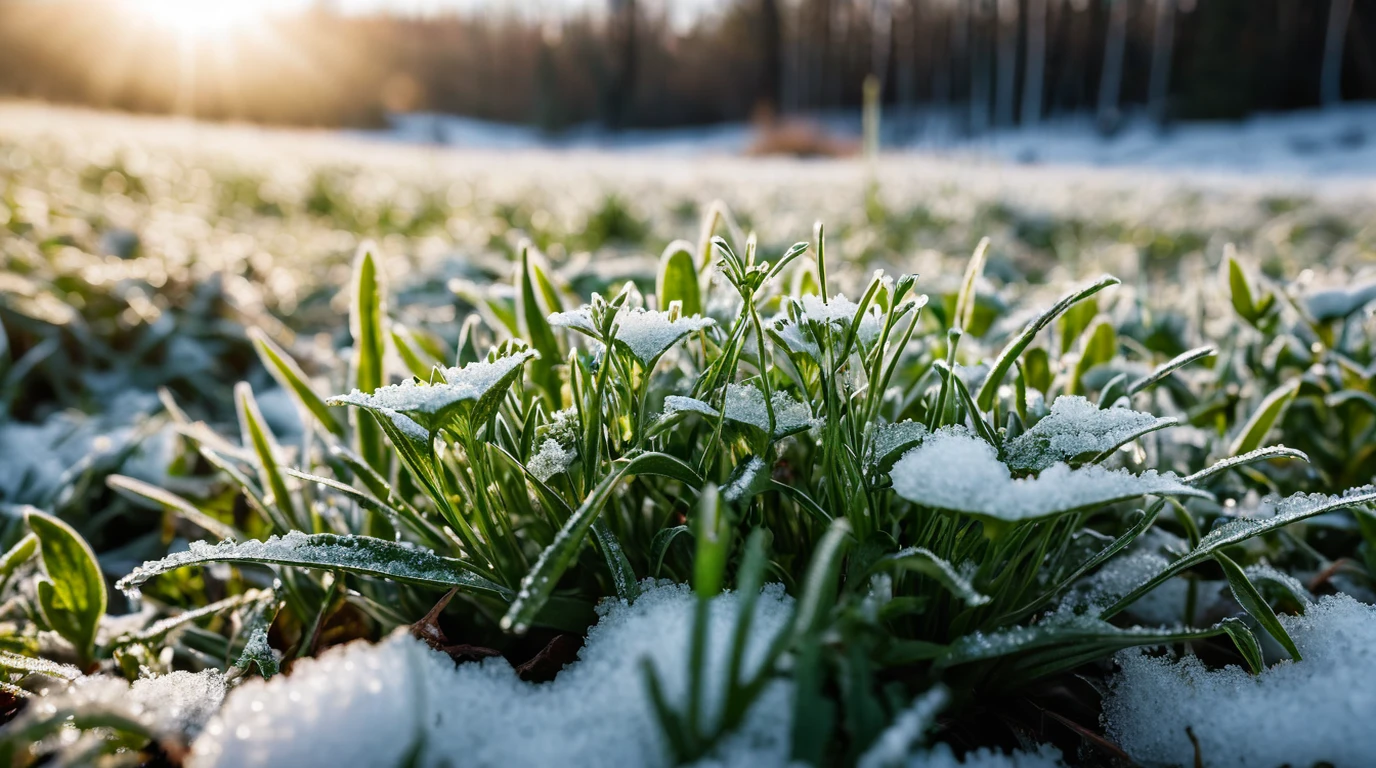
Which Edible Wild Herbs Grow in Winter? 17 Cold-Hardy Forageable Greens, Nutritional Value, and Safe Foraging Rules
While nature appears asleep in winter, 17 resilient edible wild greens thrive even under snow, packing intense vitamin C, inulin, and vital minerals. Here is the winter foraging guide.
Why Can't We Sleep After a Night Shift? The 2026 AASM Clinical Practice Guidelines
Drowsy during your night shift but wide awake the moment you get home? Explore actionable, evidence-based recommendations from the 2026 AASM Shift Work Disorder Guidelines.
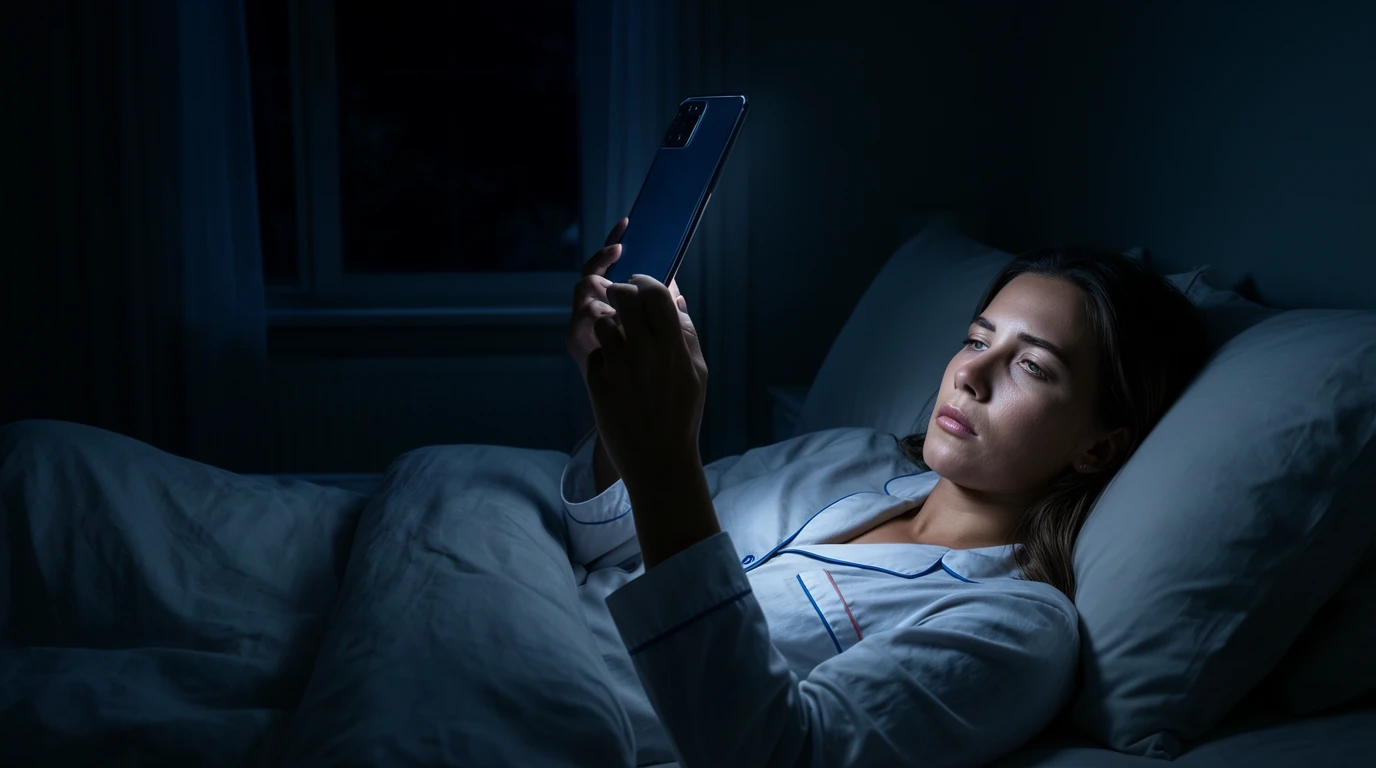
Why Do We Scroll in Bed and Steal Hours from Sleep? The Neuroscience of Revenge Bedtime Procrastination and Parasympathetic Recovery
After spending all day meeting external demands, late-night phone scrolling serves as an unconscious psychological rebellion. Explore the neuroscience of dopamine loops, prefrontal fatigue, and somatic wind-down protocols.

Why Does Emotional Pain Trigger Physical Disease? The Neurobiology of the Mind-Body Axis and Psychosomatic Mechanisms
Are persistent neck stiffness, unexplainable gastrointestinal distress, and fatigue merely physical flaws? Discover how emotional wounds translate into cellular wear, allostatic overload, and chronic systemic inflammation.

Why Do Sudden Weather Changes Trigger Headaches and Fatigue? The Biology of Weather Sensitivity (Meteoropathy) and Evidence-Based Relief
How falling barometric pressure activates inner ear vestibular sensors and cranial blood vessels, triggering headaches, joint aches, and acute fatigue, with actionable natural protocols.
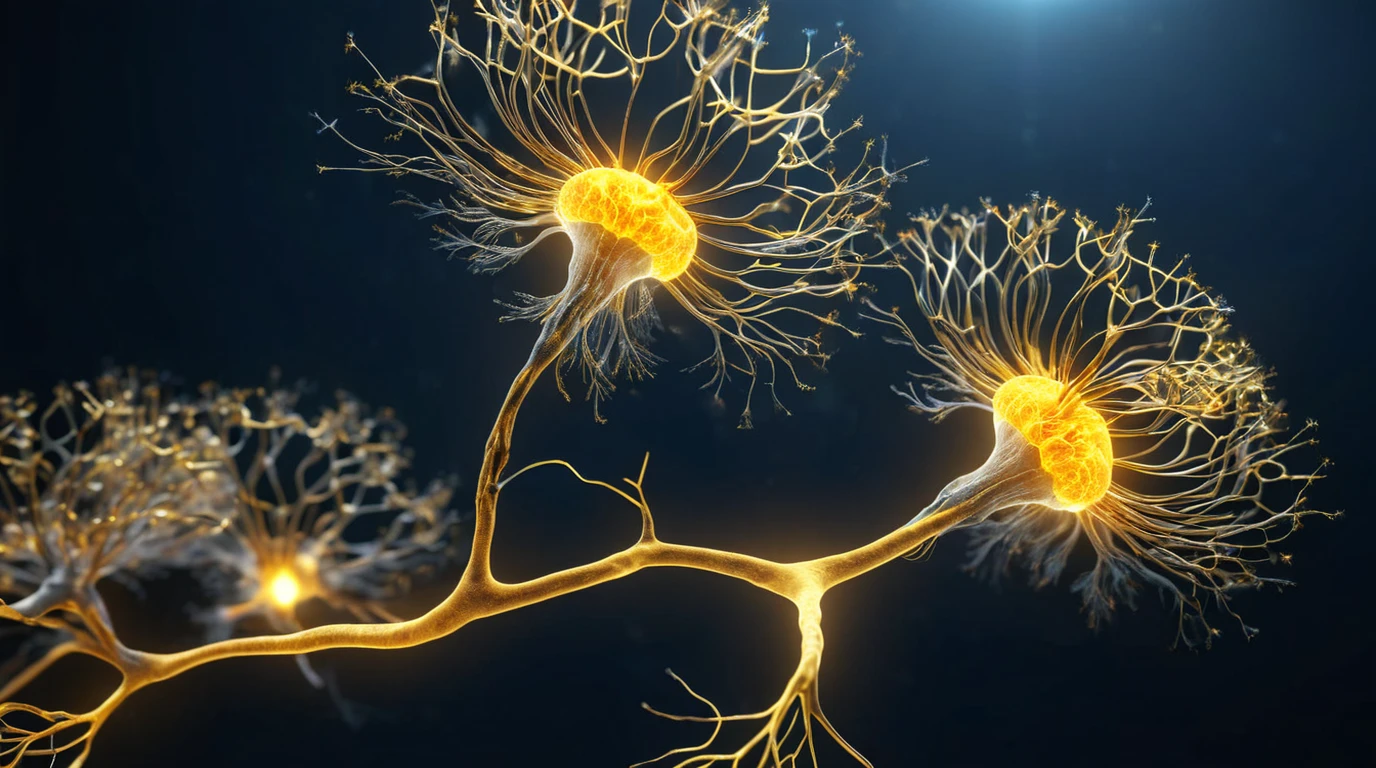
Which Cognitive Methods Ensure Permanent Memory Retention? The Brain, Synapses, and Learning
Escape the illusion of competence caused by passive rereading and highlighting. Discover evidence-based cognitive strategies—active recall, spaced repetition, and dual coding—that strengthen synaptic plasticity.

Does Stress Weaken or Strengthen the Immune System? The Biological Divide Between Acute and Chronic Alarm
How does acute excitement sharpen immune defenses while chronic stress erodes disease resistance? Discover the dual nature of stress on immunity with peer-reviewed science.
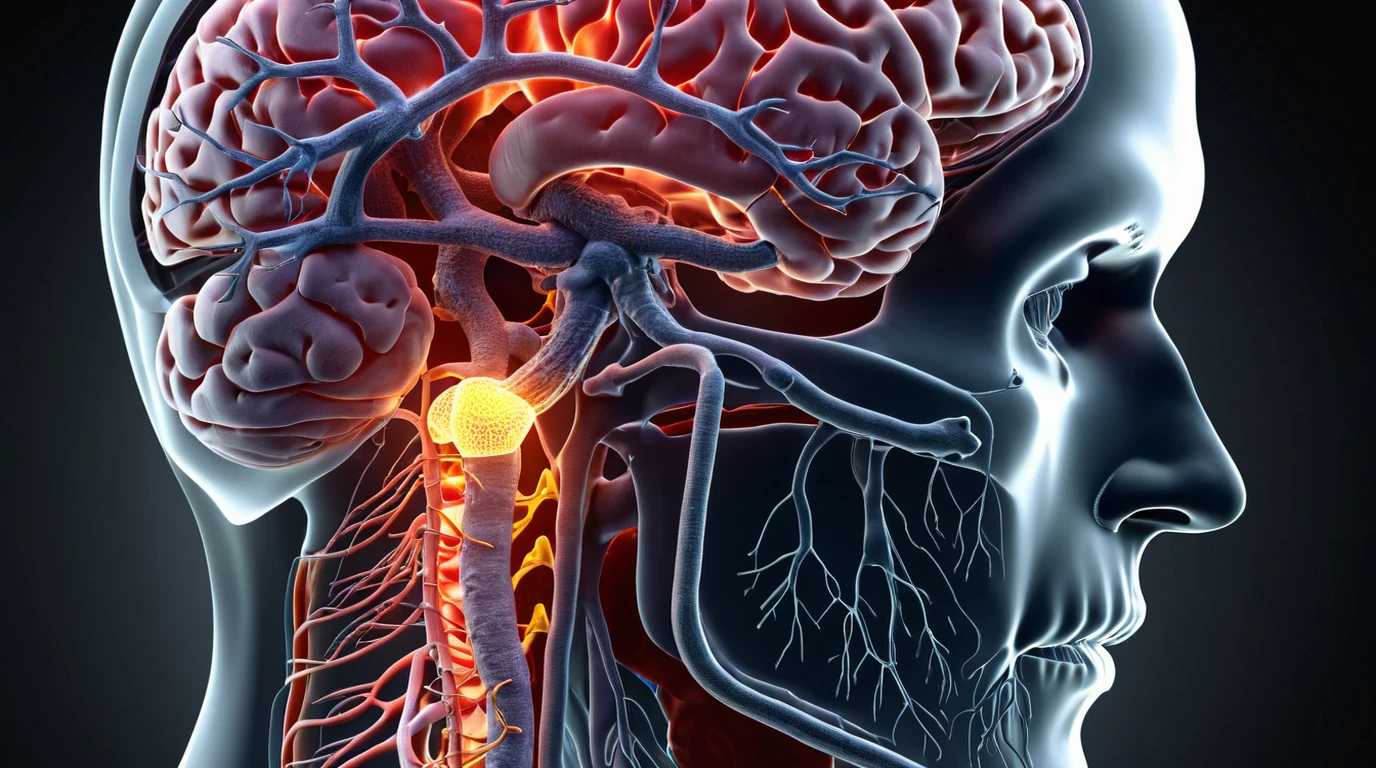
How Does Mental Stress Travel to Immune Cells? Brain, Alarm Hormones, and Cellular Defense
How does intense psychological anxiety reach leukocytes in the bloodstream? Explore neuroendocrine pathways, adrenergic receptors, and immune adaptation explained with peer-reviewed clarity.
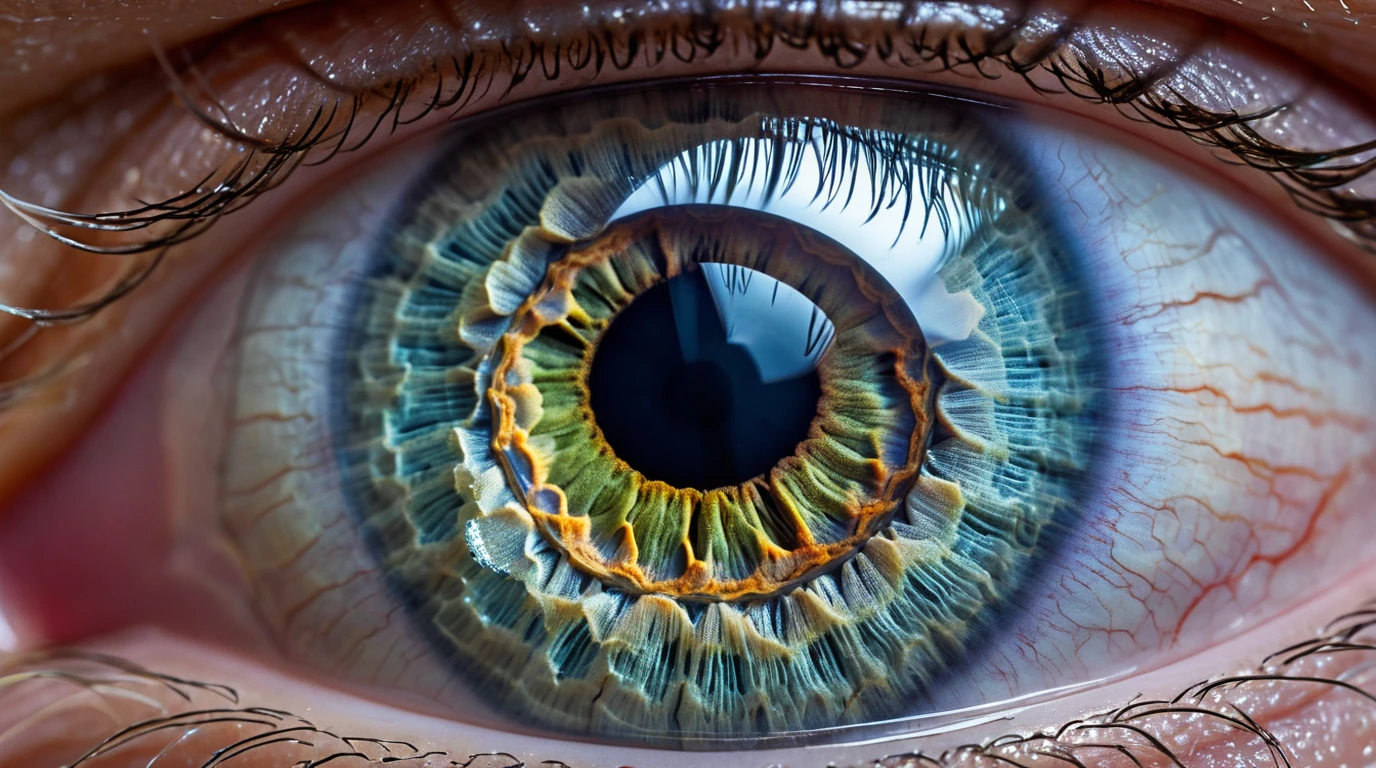
Why Do Your Eyes Constantly Burn and Sting? Dry Eyes, Choosing the Right Drops, and the Perils of Homemade Formulations
Why does blink rate drop at screens, how do bottled preservatives damage the cornea, and why are DIY eye drops (DMSO, castor oil) a vision hazard? Evidence-based dry eye guide.
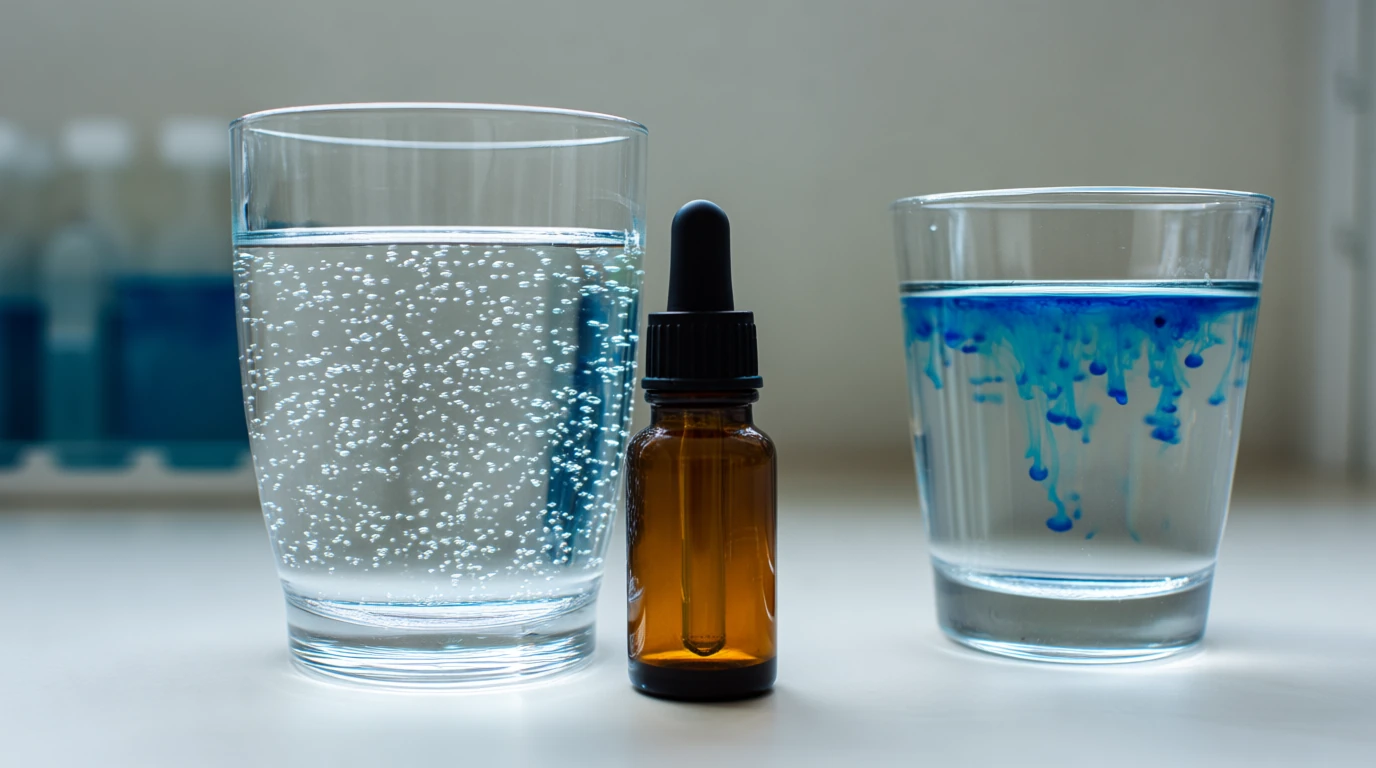
Do Hydrogen Water, Methylene Blue, and 'Heavy Metal Detox' Rejuvenate Cells? The Science and Dangers of Longevity Trends
What does peer-reviewed biomedical literature reveal about social media trends like molecular hydrogen water, methylene blue, and chelation protocols, and which drug interactions carry fatal risks?
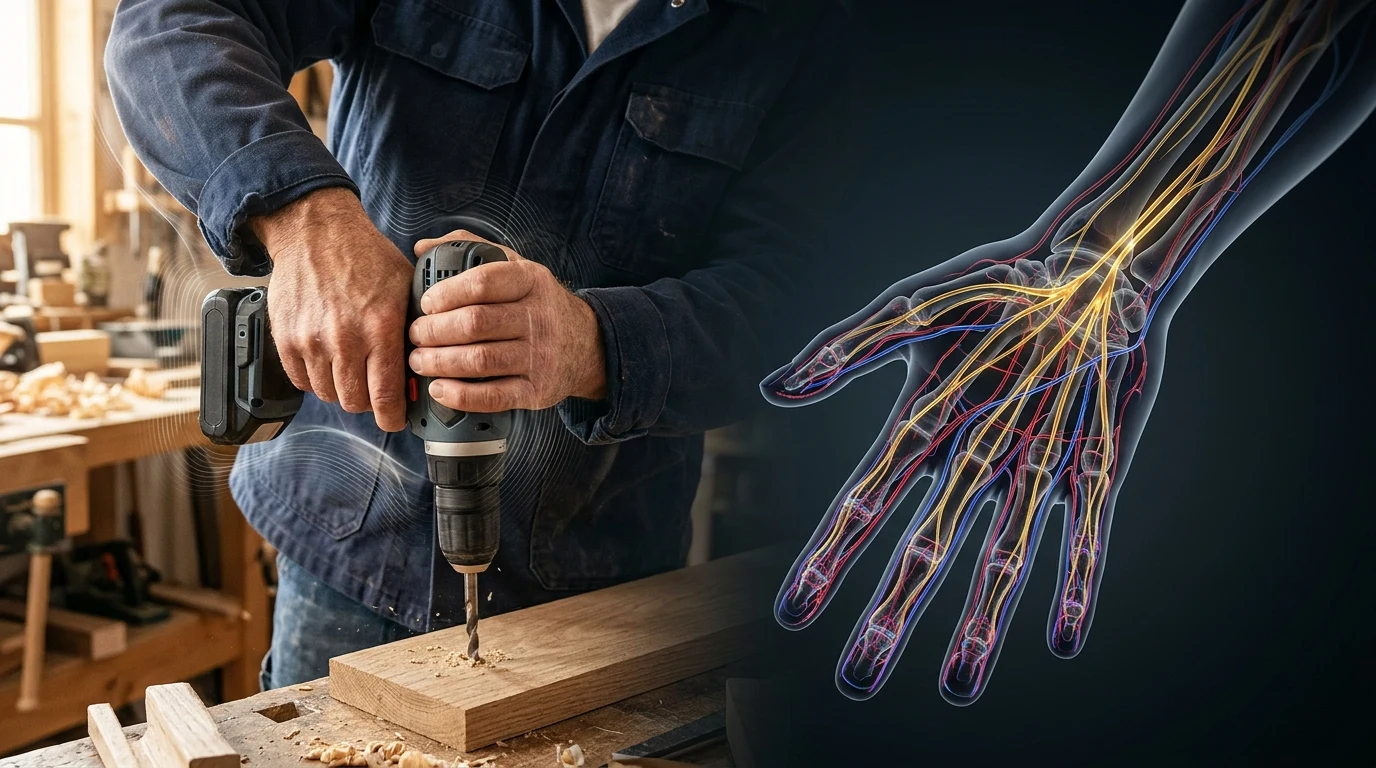
Why Do Your Fingers Tingle for Hours After Using Power Tools? Hand-Arm Vibration and White Finger Guide
Why does the buzzing sensation linger in your palms after using a hammer drill, sander, or lawn mower, how does chronic vibration trigger digital vasospasm, and what are evidence-based ways to protect your hands?

Why Unlearning Is Harder Than Learning: The Neurobiology of Habits, Cognitive Flexibility, and Adaptation
Why does breaking years-old habits exhaust the brain more than learning new skills? Discover how inhibitory control, prefrontal fatigue, and striatal loops govern behavioral change.
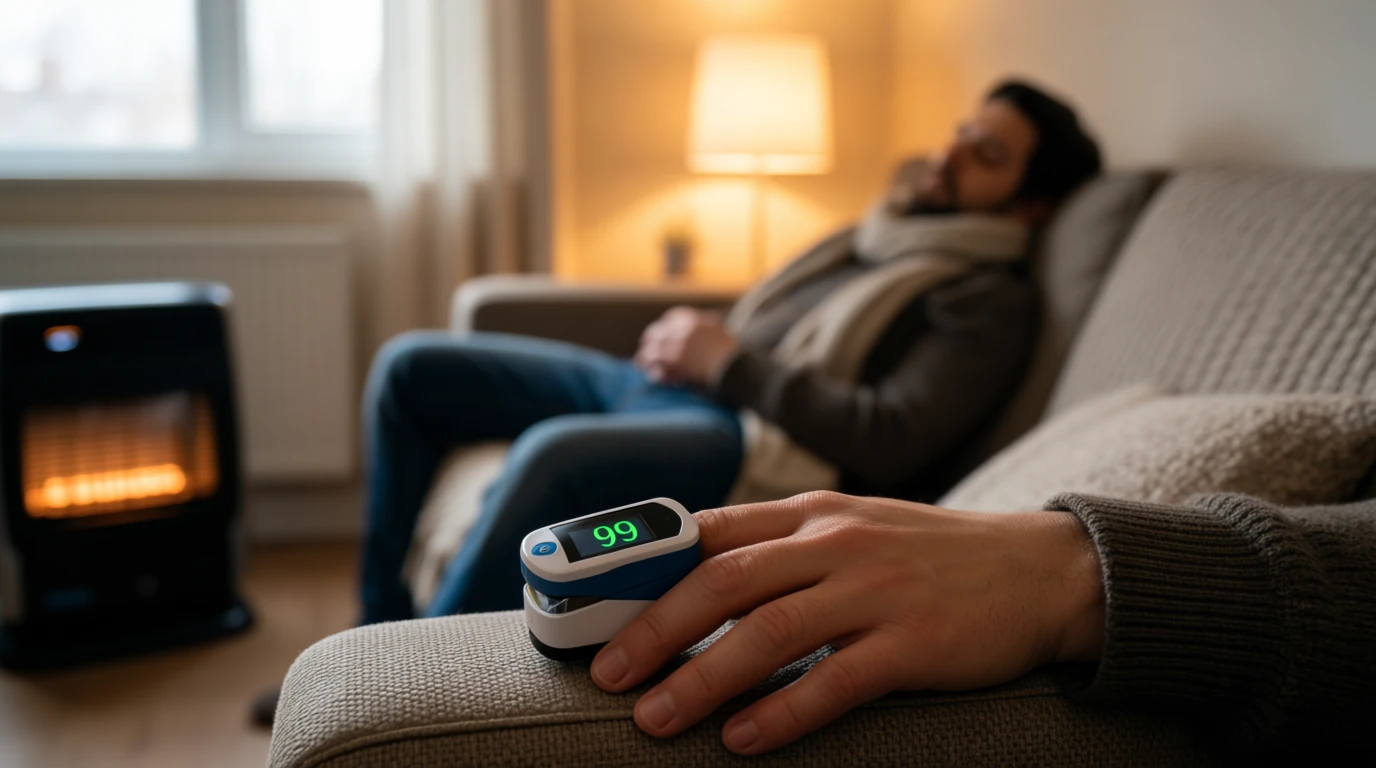
Invisible Suffocation: The Biochemistry of Carbon Monoxide (CO), Cytochrome c Oxidase Inhibition, and Neurotoxicity
Molecular mechanisms of carbon monoxide (CO) poisoning: carboxyhemoglobin (COHb) and the Haldane effect, Complex IV inhibition, Delayed Neurological Sequelae (DNS), and hyperbaric oxygen (HBO2) therapy.

Why Can't We See What's Right in Front of Us? Inattentional Blindness, Fatigue, and Human Error
Why do we miss what passes right in front of us while checking our phone, why do seasoned experts skip simple steps, and how does sleep deprivation slow down the brain? Explained simply with scientific evidence.
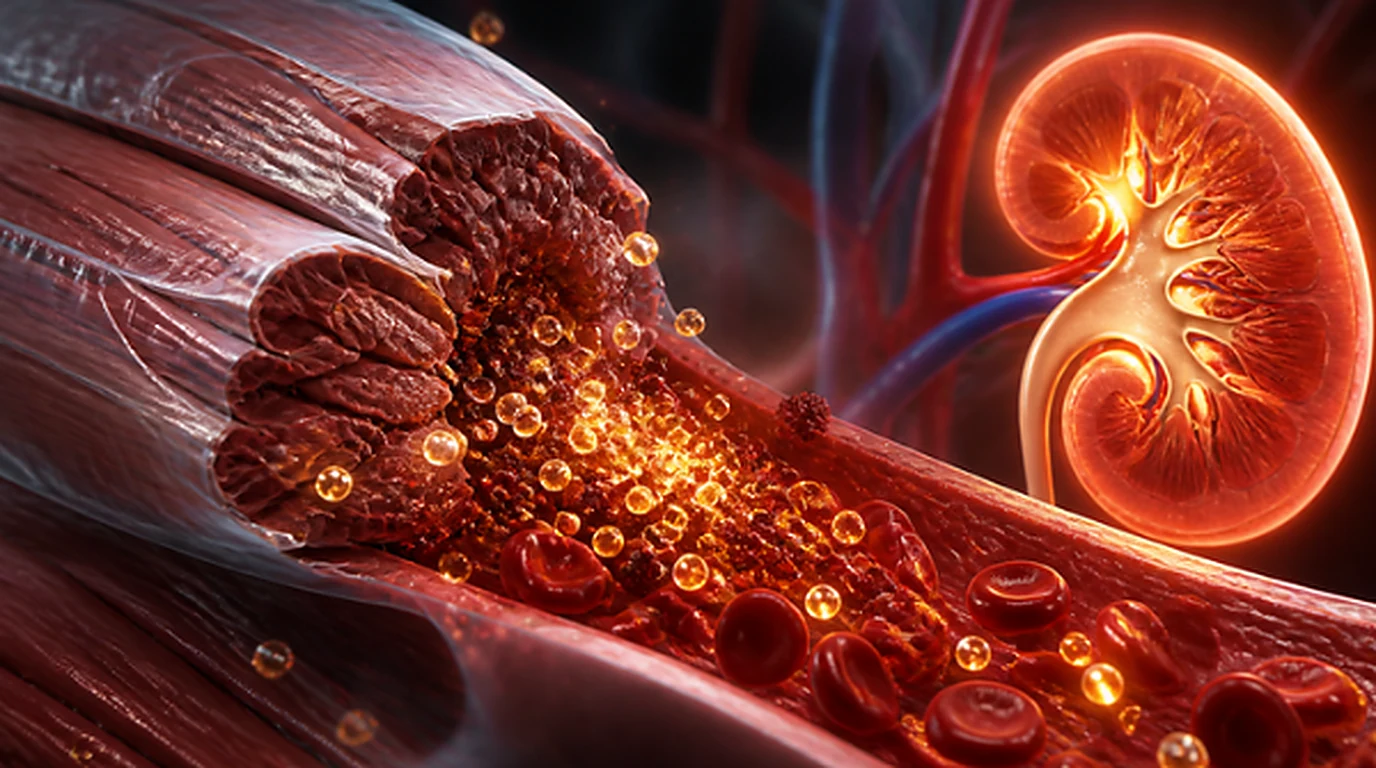
Crush Syndrome and the Biochemistry of Rhabdomyolysis: Skeletal Muscle Breakdown, Myoglobinuria, and Hyperkalemic Arrest
How traumatic entrapment or severe exertion triggers rhabdomyolysis, sarcolemmal calcium influx, reperfusion 'rescue death' via hyperkalemia, and myoglobinuric acute kidney injury.
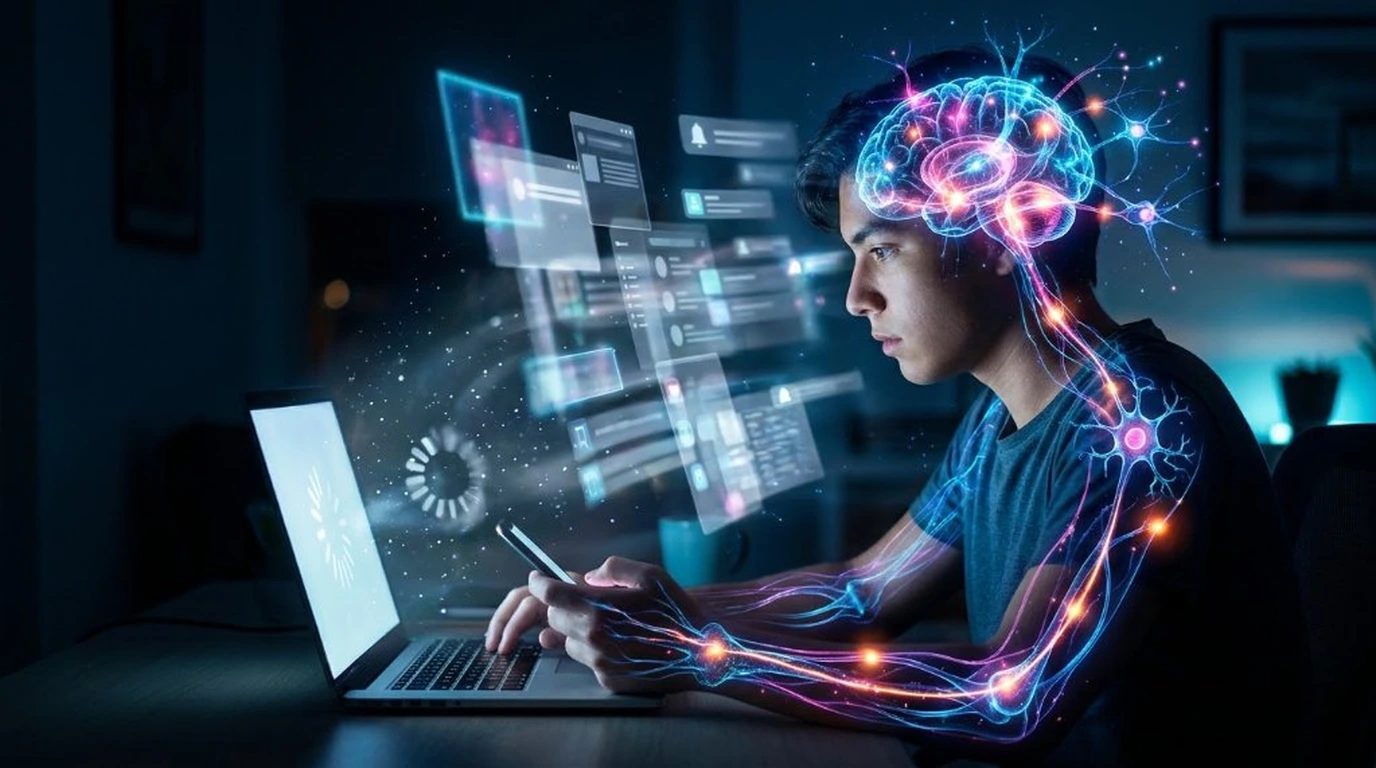
What Happens in Your Brain When the Screen Freezes? Latency, Attention Residue, and Habits
Why slow loading times trigger micro-stress, why reaching for your phone while waiting shatters focus, and why we abandon new tools within days. Explained simply with science.

Why Does Lifting a 15-kg Box Put 350 kg of Force on Your Lower Back? Ergonomics, Exoskeletons, and Biomechanics
Why does lifting a seemingly light box lock up your lower back? How does twisting under load shear spinal discs, and how much can wearable exoskeletons and cobots reduce back stress? A scientific guide.
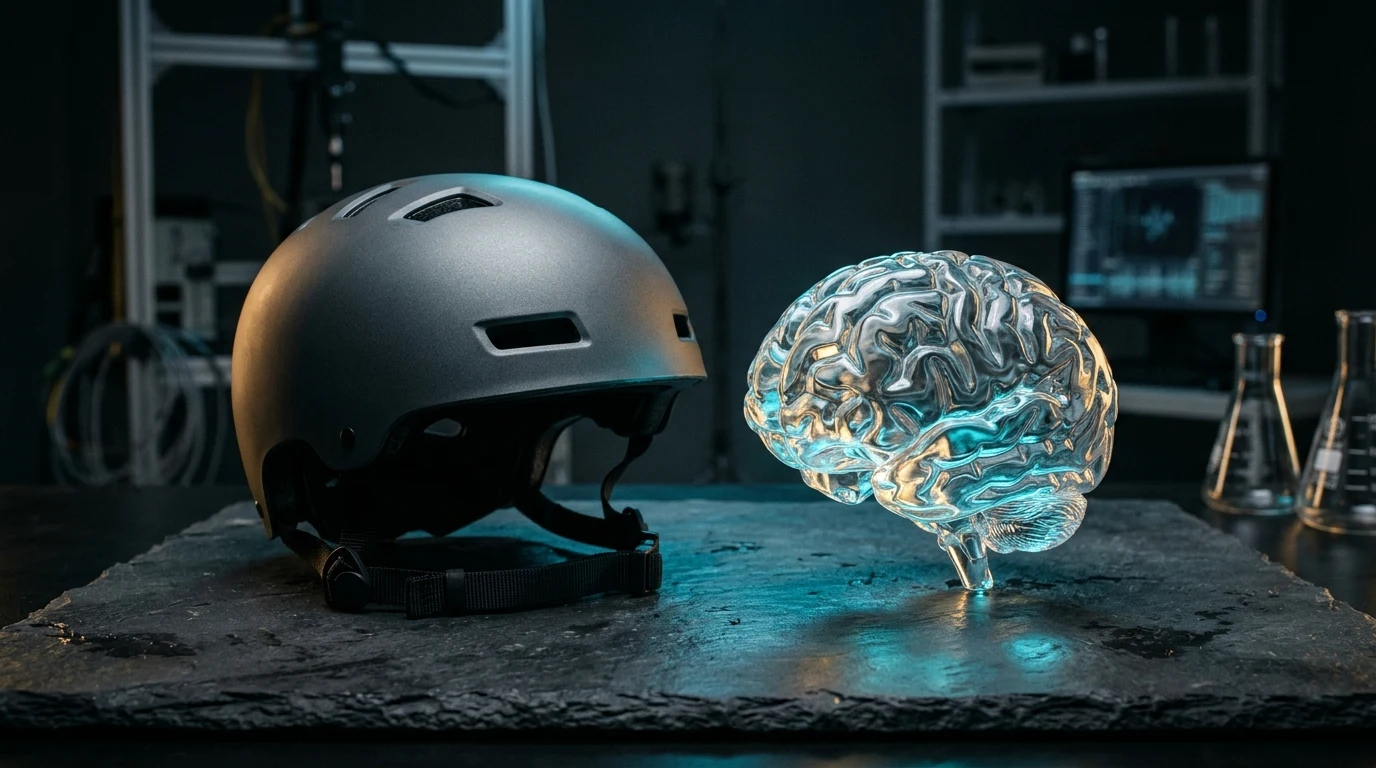
Why Do You Feel Dazed for Days After Hitting Your Head Even with a Normal CT Scan? Concussion Biomechanics Guide
How does a concussion develop without loss of consciousness, why does rotational acceleration shear neural axons, and why is prolonged bed rest in a dark room no longer recommended? A plain-language clinical guide.
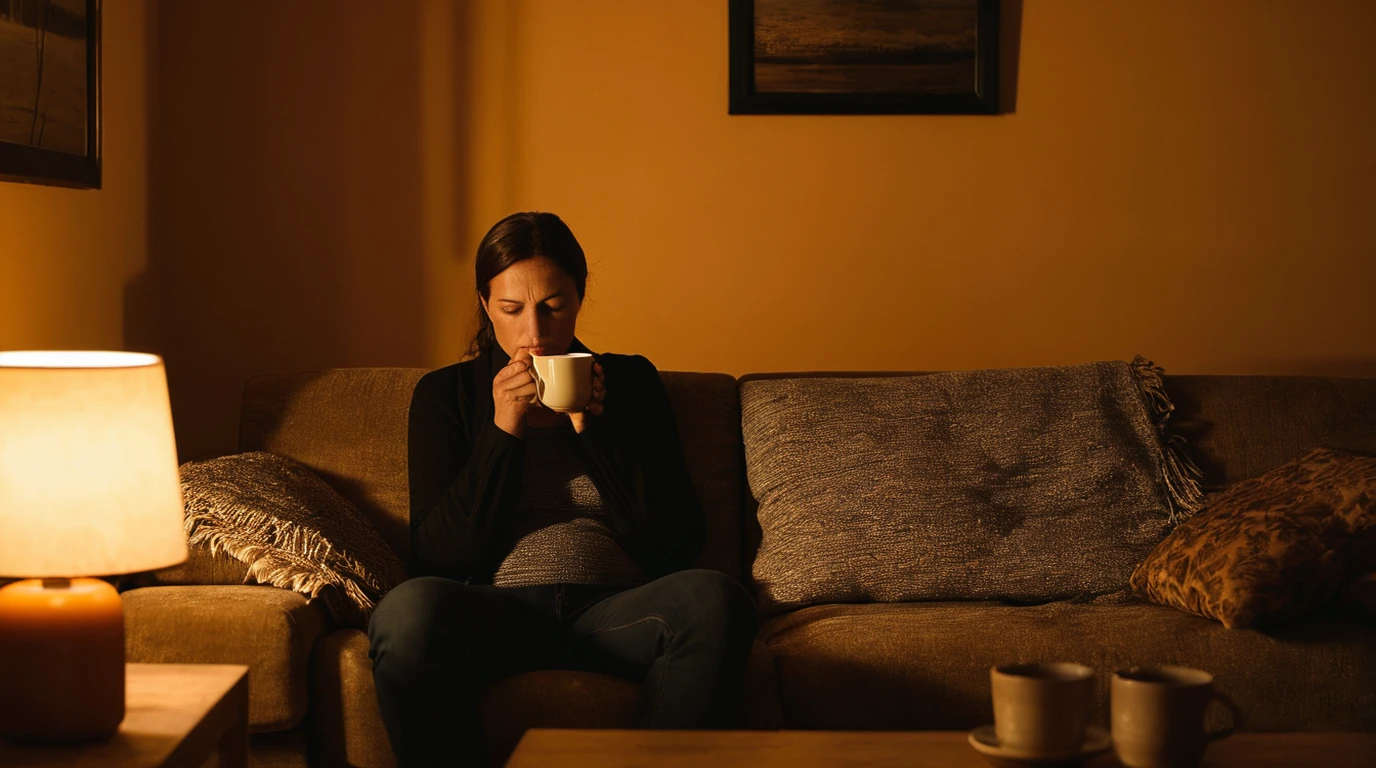
Why Your Brain Keeps Working While You Rest: The Neurobiology of Invisible Mental Load and Decision Fatigue
Why does the phrase 'you should have just asked' exhaust us, how do mental to-do lists drain our prefrontal cortex, and why can't we relax in the evening? A science-backed guide.
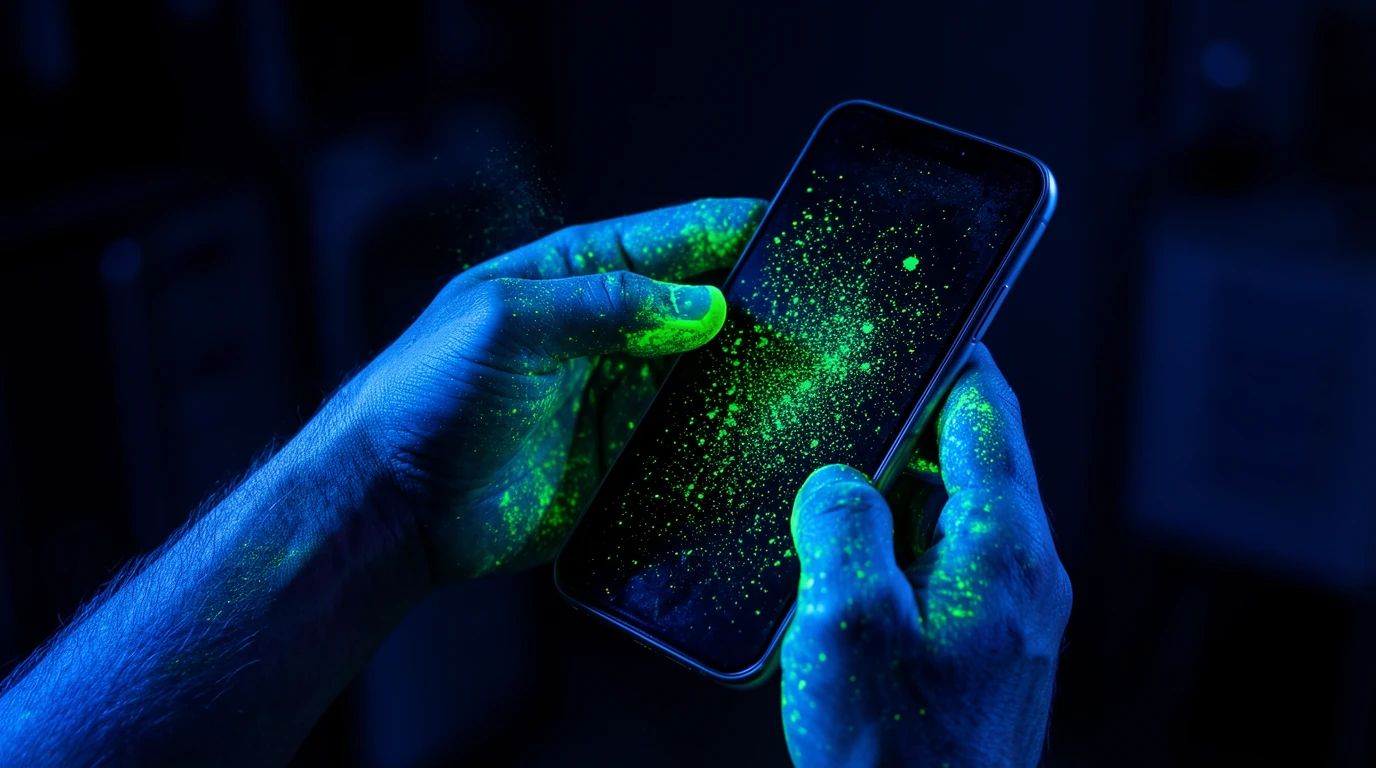
What Happens When You Touch Your Phone After Washing Your Hands? Screen Microbes, Biofilms, and Surface Hygiene
Why bacteria survive for months on glass touchscreens and keyboards, how biofilm shields in cracked glass resist disinfection, and the 1-minute alcohol rule.

Why Do Fingers Go Numb and Lose Strength in the Cold? Vasoconstriction and Thermoregulation Guide
Why do our hands fail to turn a door key in winter, why don't heavy gloves keep fingers warm, and how does keeping your torso warm protect manual blood flow? Clear science.
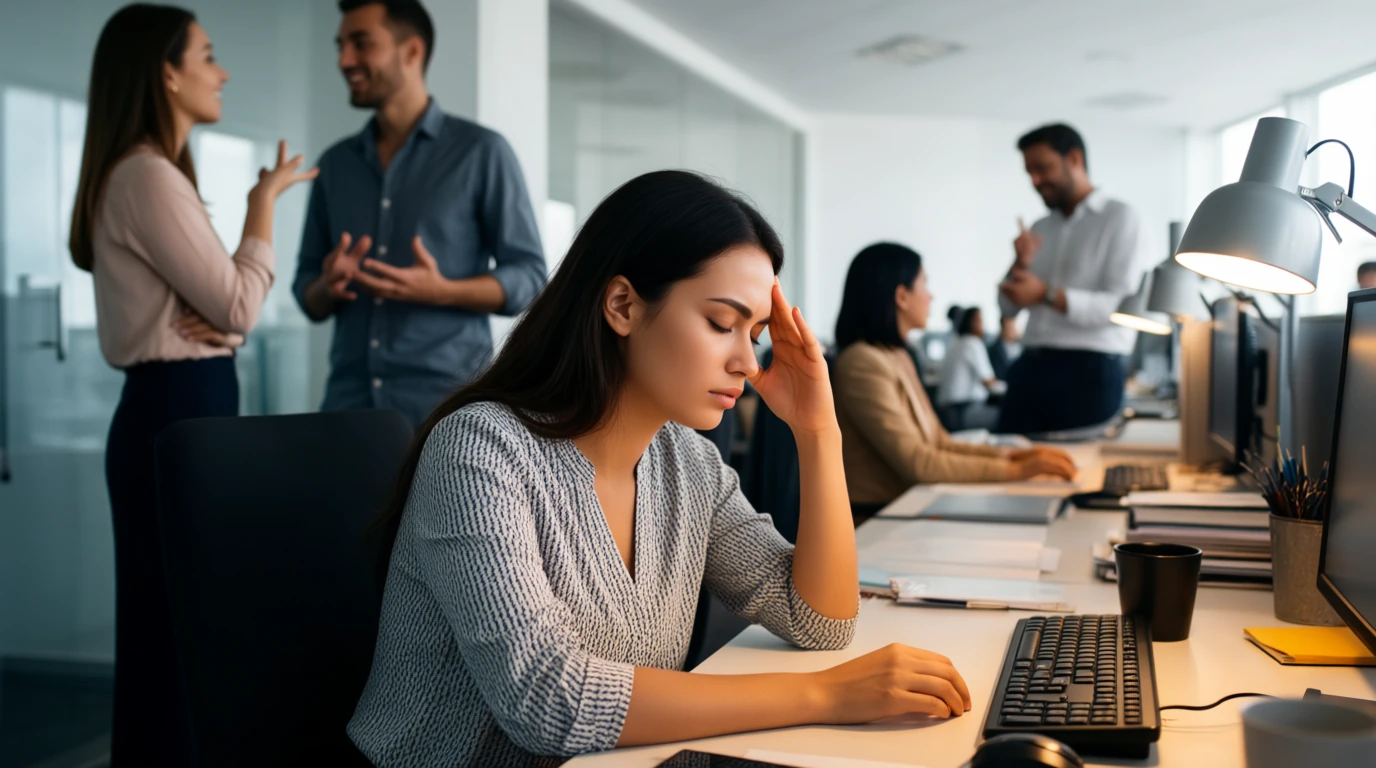
Why Does Noise Drain Us So Fast? Ambient Sound, Stress, and Auditory Health
How open-office chatter, ambient traffic, and industrial decibels exhaust the brain and inner ear: biological limits, stress pathways, and evidence-based acoustic protection.

Is Indoor Air Silently Draining You? Fine Particulate Matter, Ventilation, and the Clean Air Guide
How cooking fumes, PM2.5 particles, stale rooms, and renovation dust drive systemic inflammation and stress hormones. Evidence-based filtration, ventilation, and mask guide.

Why Does Fatigue Linger After Work? Occupational Stress, Burnout, and Heart Rate Variability
Why doesn't weekend rest cure chronic job exhaustion? Discover how millisecond fluctuations between heartbeats measure allostatic load and how slow breathing activates the vagal brake.
Can a Fat-Fueled Brain Truly Slow Down Memory Loss? The Ketogenic Evidence
Explore clinical trials examining how ketogenic diets, hepatic ketone generation, and intermittent fasting influence cognitive scores, neuroinflammation, and brain energetics.
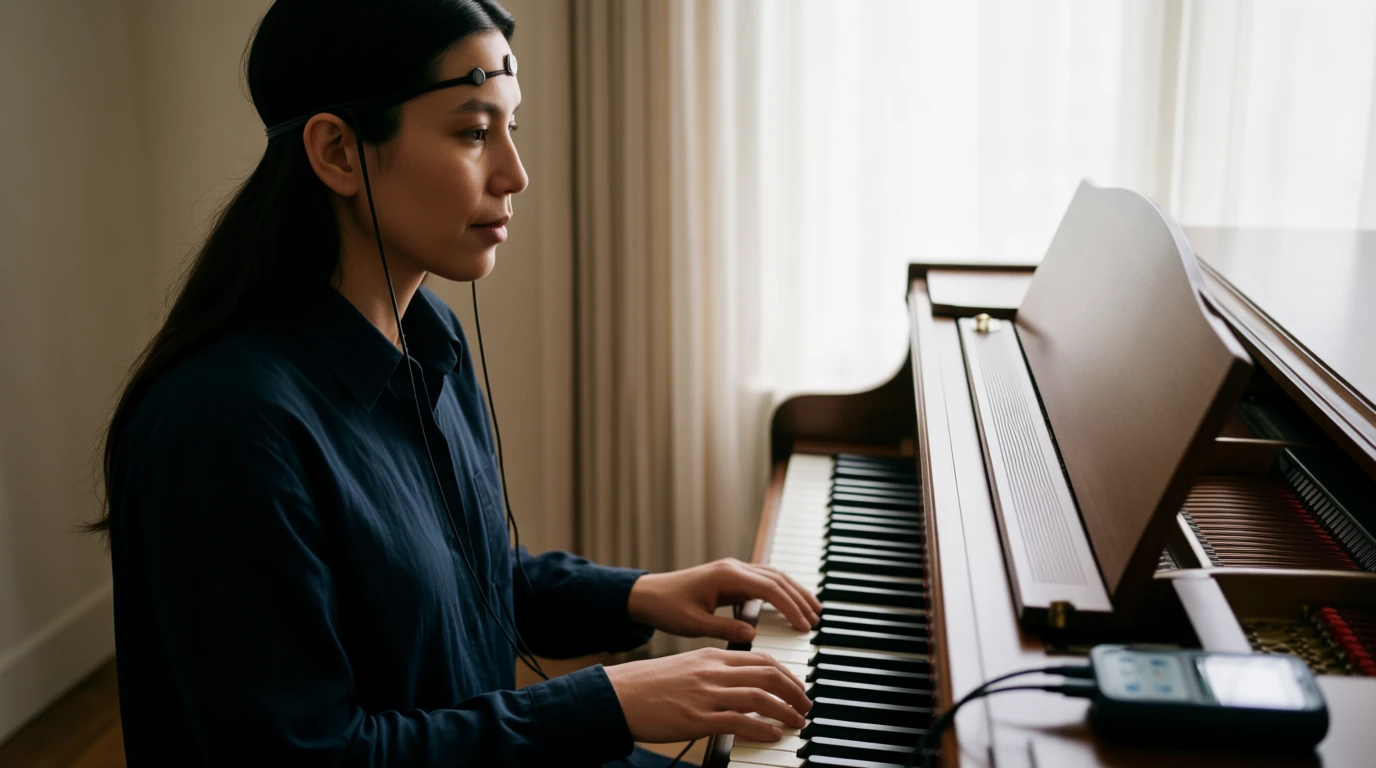
Can Electrical Brain Stimulation (tDCS) Truly Accelerate Skill Learning?
Can transcranial direct current stimulation (tDCS) supercharge motor learning? Clinical evidence on single vs. multi-session protocols and neuroplasticity.

Can Exercise Really Erase Forgetfulness? Episodic Memory, Depression, and Cognitive Science
While physical exercise moderately supports episodic and verbal memory in individuals with depression, it may not offer lasting cognitive protection in burnout or improve visual memory.
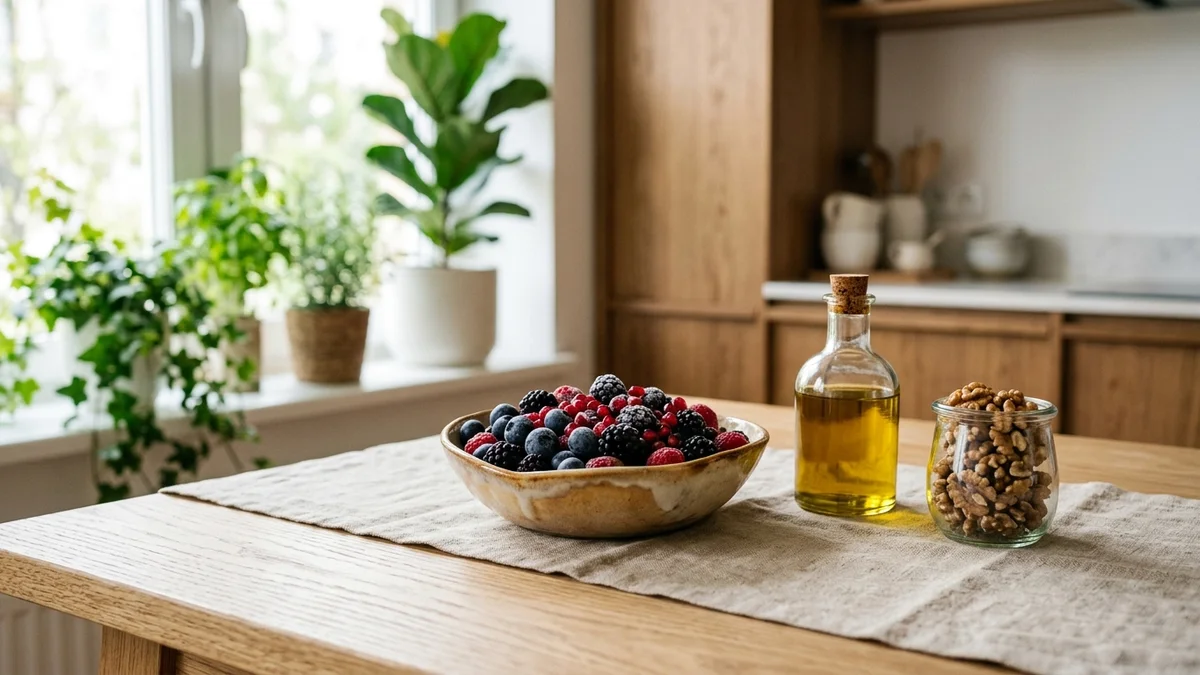
Can You Truly Clear Senescent Cells with Food on Your Plate? The Science of Natural Senolytics
How dietary habits and natural compounds like fisetin, berberine, and urolithin A impact cellular senescence, SASP secretions, and human longevity biomarkers.

Can Exogenous Ketones Rescue Brain and Body Under Scorching Heat? Clinical Insights
How ketone monoester supplementation combined with caffeine influences time to exhaustion and working memory during severe exercise-heat stress.

How Coffee Governs Your Gut and Alters Your Brain: A 2026 Nature Study
How regular coffee consumption shapes gut microbiota, altering cognitive processing, memory retention, and neurotransmitter balance such as GABA.
Can the Mediterranean Diet Truly Shield Kidneys from Sugar-Induced Damage?
How the Mediterranean dietary pattern, dietary fiber, and sodium restriction mitigate diabetic kidney disease risk: mechanistic insights and clinical evidence.
Could the Secret to Sustained Athletic Energy Without Blood Sugar Spikes Lie in Isomaltulose Gummies?
Explore the scientific evidence behind slow-digesting isomaltulose: its impact on blood glucose fluctuations, endocrine responses, and physical fatigue during prolonged exercise.
Why Does Blood Pressure Remain High Despite Taking Medication?
Discover why blood pressure often fails to normalize despite regular medication, and how Mediterranean/DASH diets and isometric handgrip training support vascular health.
5 Hidden Mistakes That Halt Autophagy: The Collagen, Milk Coffee, and Sweetener Trap
What hidden triggers break autophagy during intermittent fasting? Discover how collagen peptides, milky coffee, BCAAs, and artificial sweeteners affect mTOR and cellular renewal.
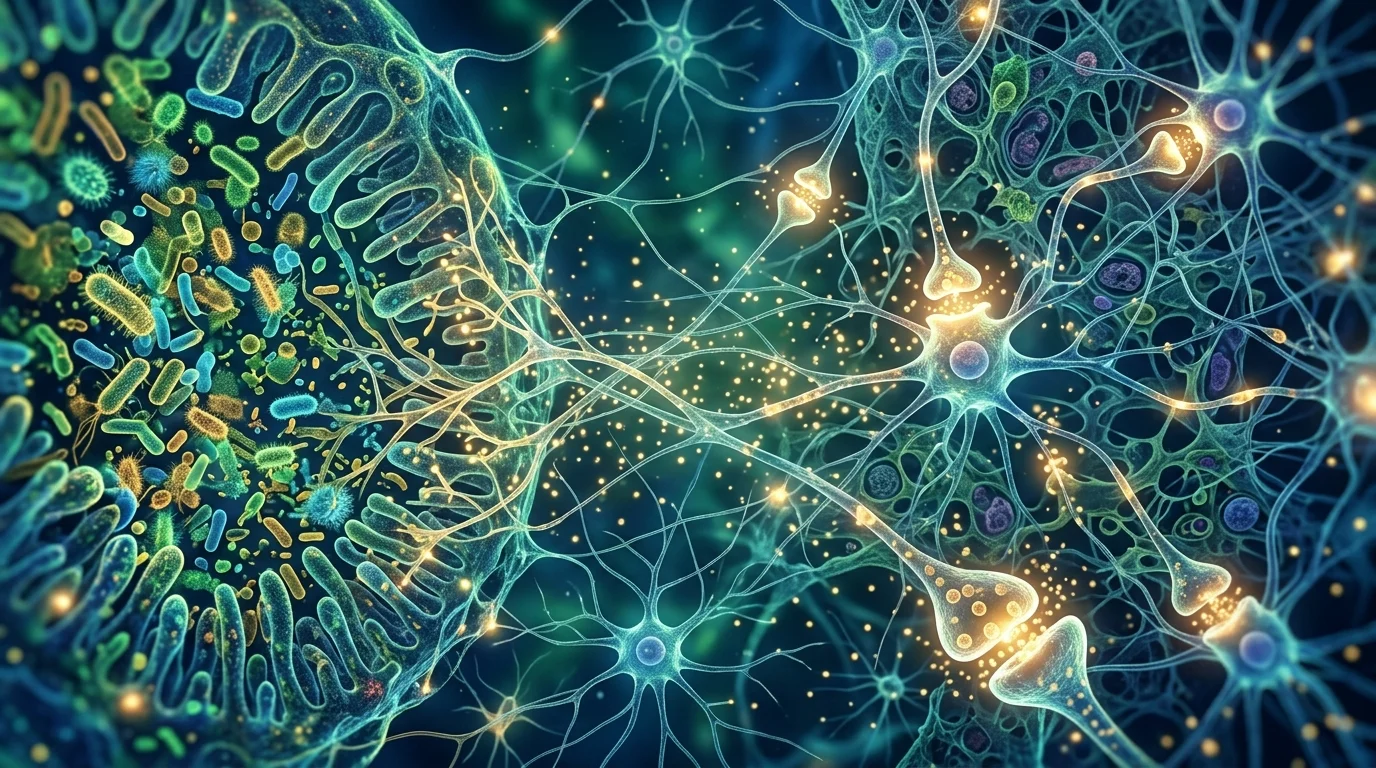
Can Gut Health Truly Transform Your Mood? The Gut-Brain Axis Explained
How the gut-brain axis, intestinal microbiota, and Mediterranean dietary patterns influence serotonin synthesis and emotional resilience: latest clinical evidence.
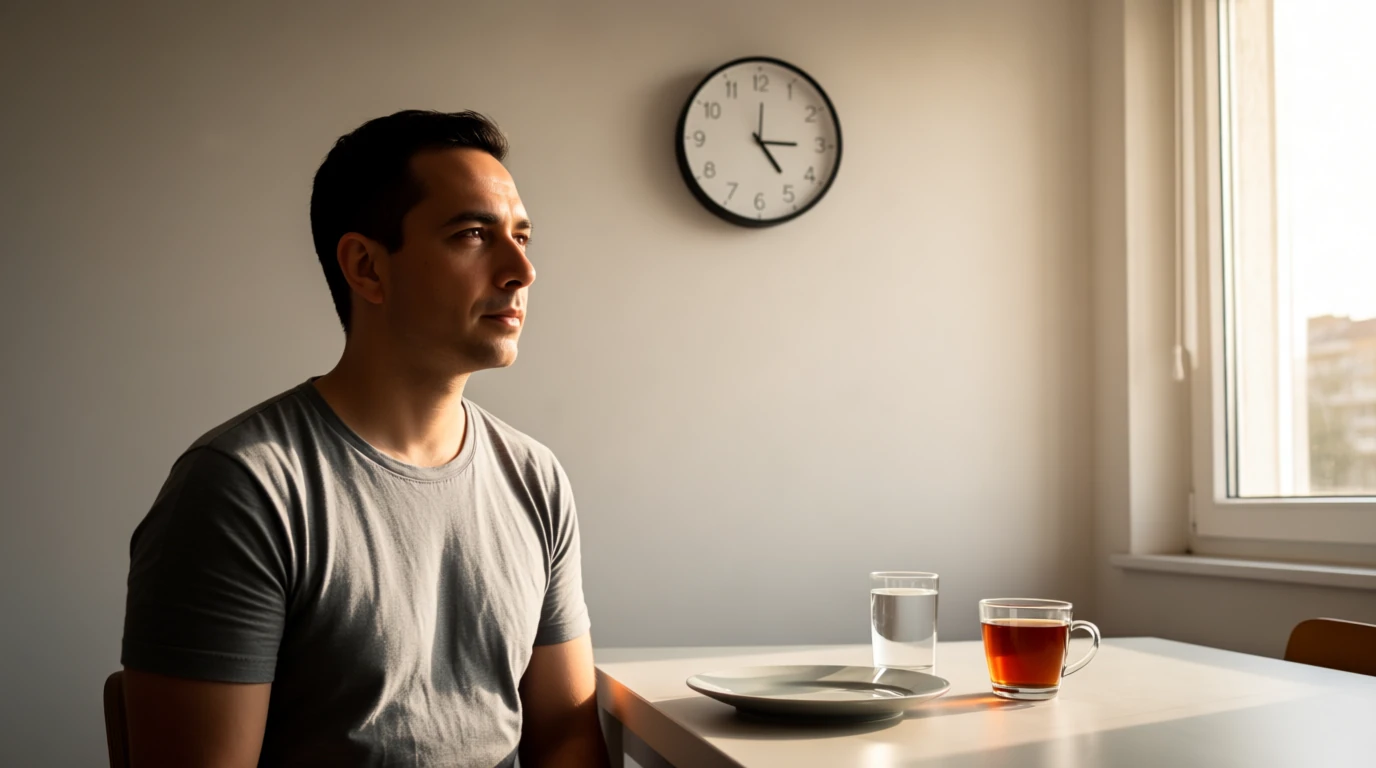
The Autophagy Clock: When Does Cellular Recycling Actually Peak During Intermittent Fasting?
At what hour does autophagy activate during intermittent fasting? Discover the biochemical phases at 12, 16, and 24 hours, cellular recycling kinetics, and an hour-by-hour timeline.
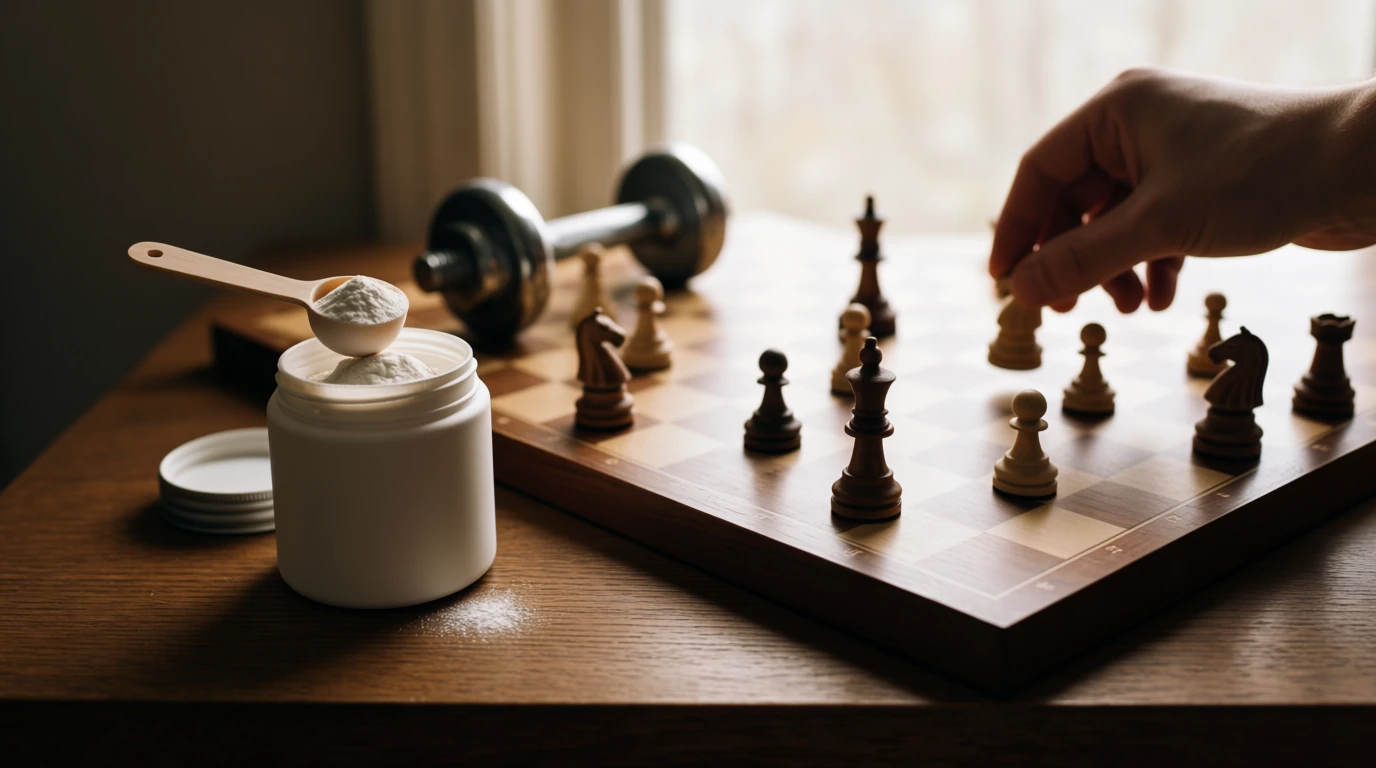
Does Creatine Monohydrate Only Build Muscle, or Does It Sharpen the Brain?
Recent clinical evidence on the muscle-brain axis, cognitive function, memory, and cellular energy dynamics of creatine monohydrate supplementation.

Do Blue Light Glasses and Night Mode Actually Work? 2026 Clinical Evidence
A systematic review analysis evaluating the real impact of clear blue-blocking lenses and smartphone Night Shift modes on circadian rhythm, melatonin, and sleep architecture.
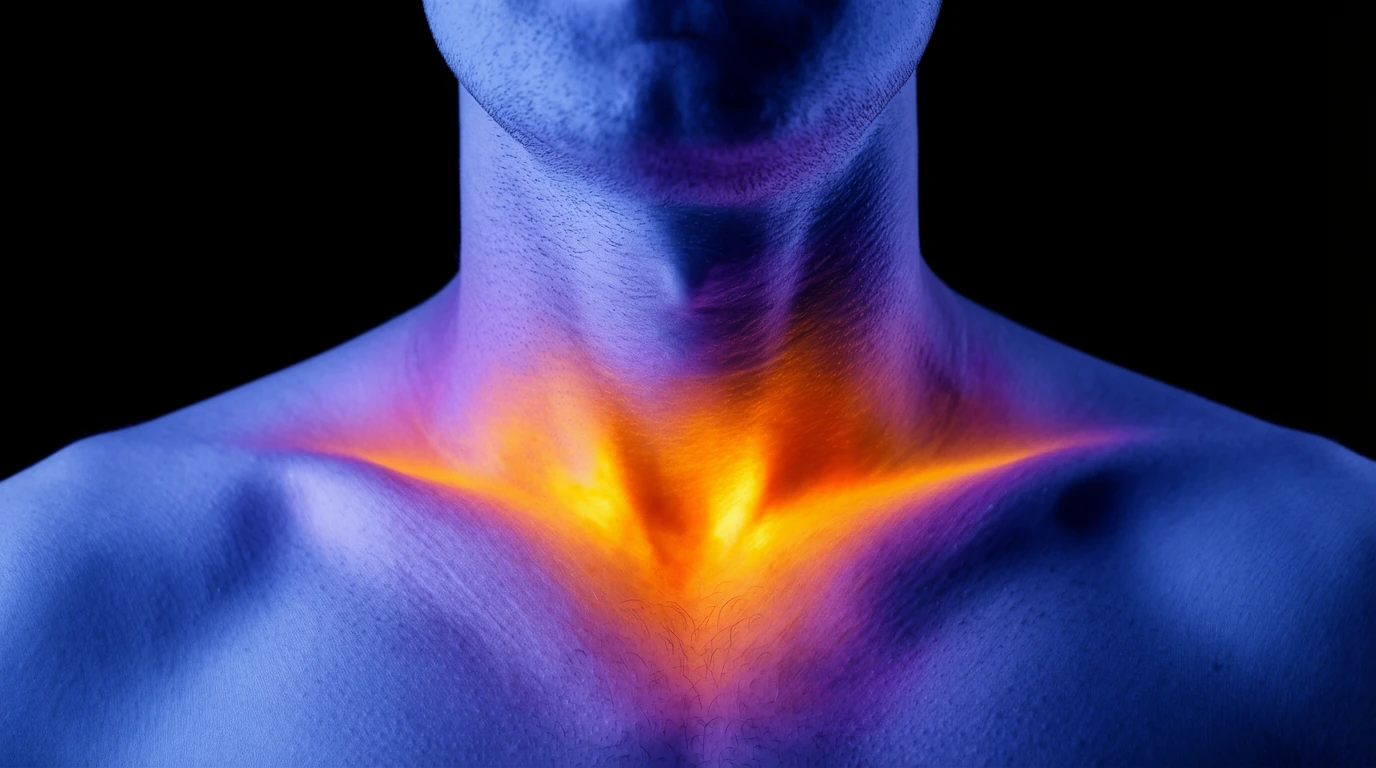
Does Feeling Cold Truly Burn Fat? What Science Reveals About Brown Adipose Tissue
How mild cold exposure stimulates brown adipose tissue (BAT), accelerates glucose disposal, and what the latest clinical trials show about non-shivering thermogenesis.
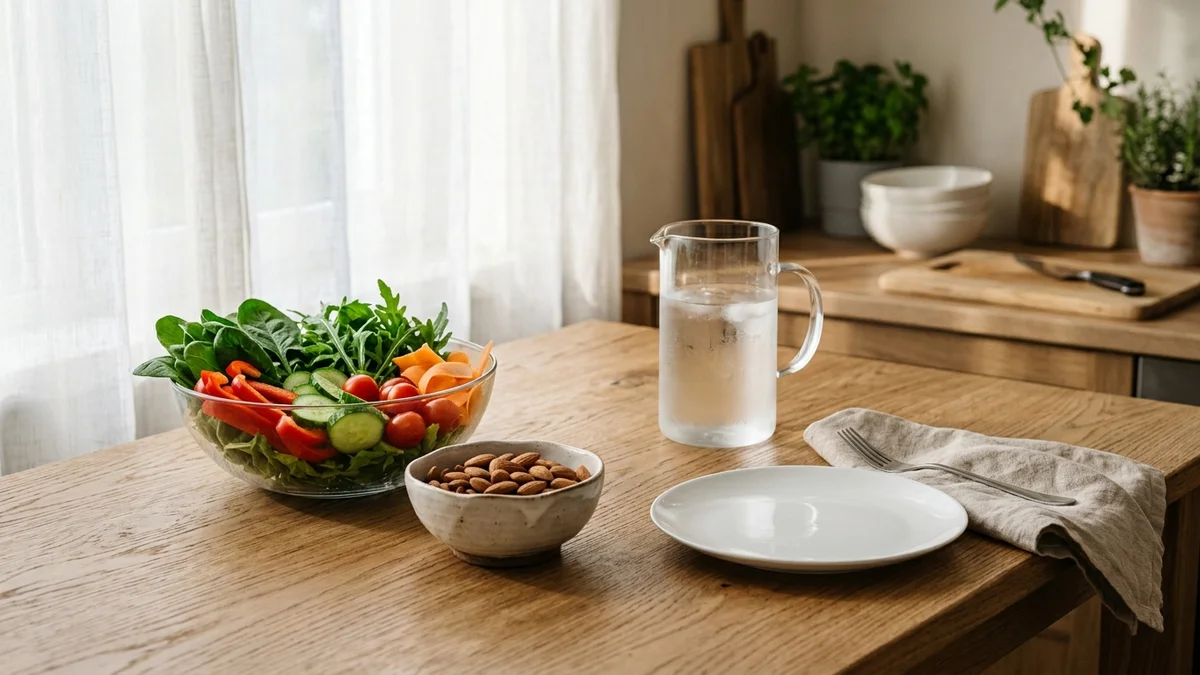
Does Reducing Dietary Protein Really Rejuvenate Our Cells? What Human Autophagy Trials Reveal
A groundbreaking 2026 human clinical study demonstrates that cutting dietary protein without caloric restriction fails to trigger blood cell autophagy and risks muscle loss.
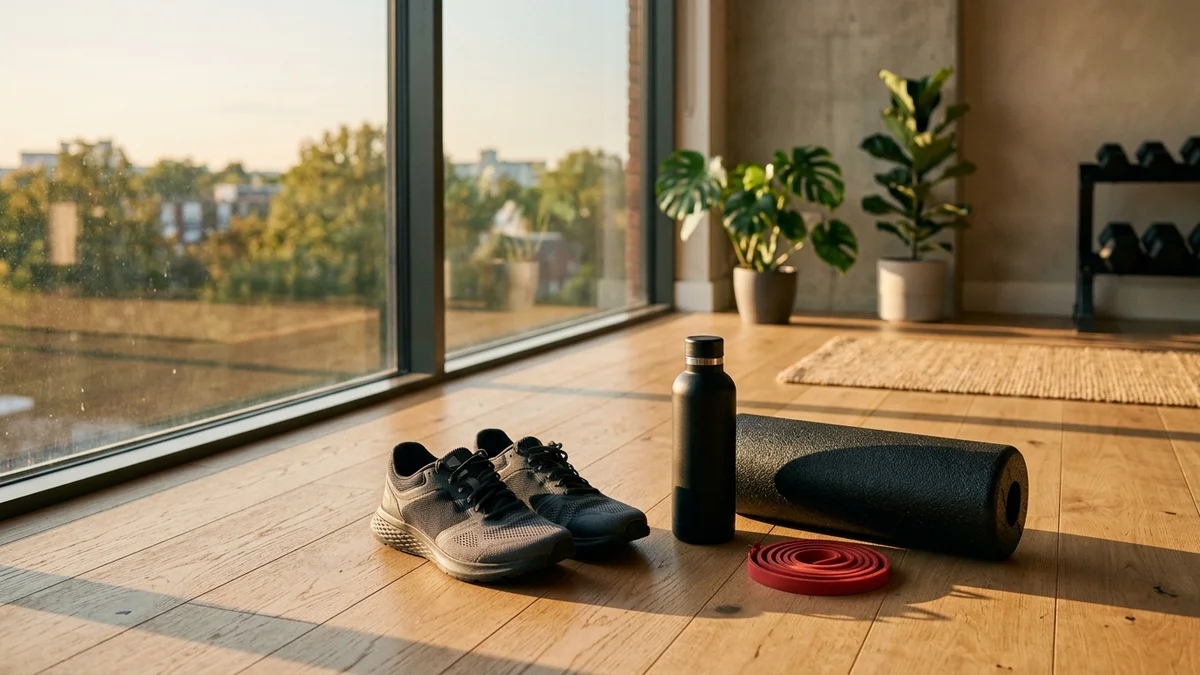
Is Morning Running a Mistake, or Is Your Biological Clock Waiting for the Evening?
Physical power and muscular endurance tend to peak in the evening driven by core temperature and circadian rhythms; morning caffeine cannot fully bridge this physiological gap.
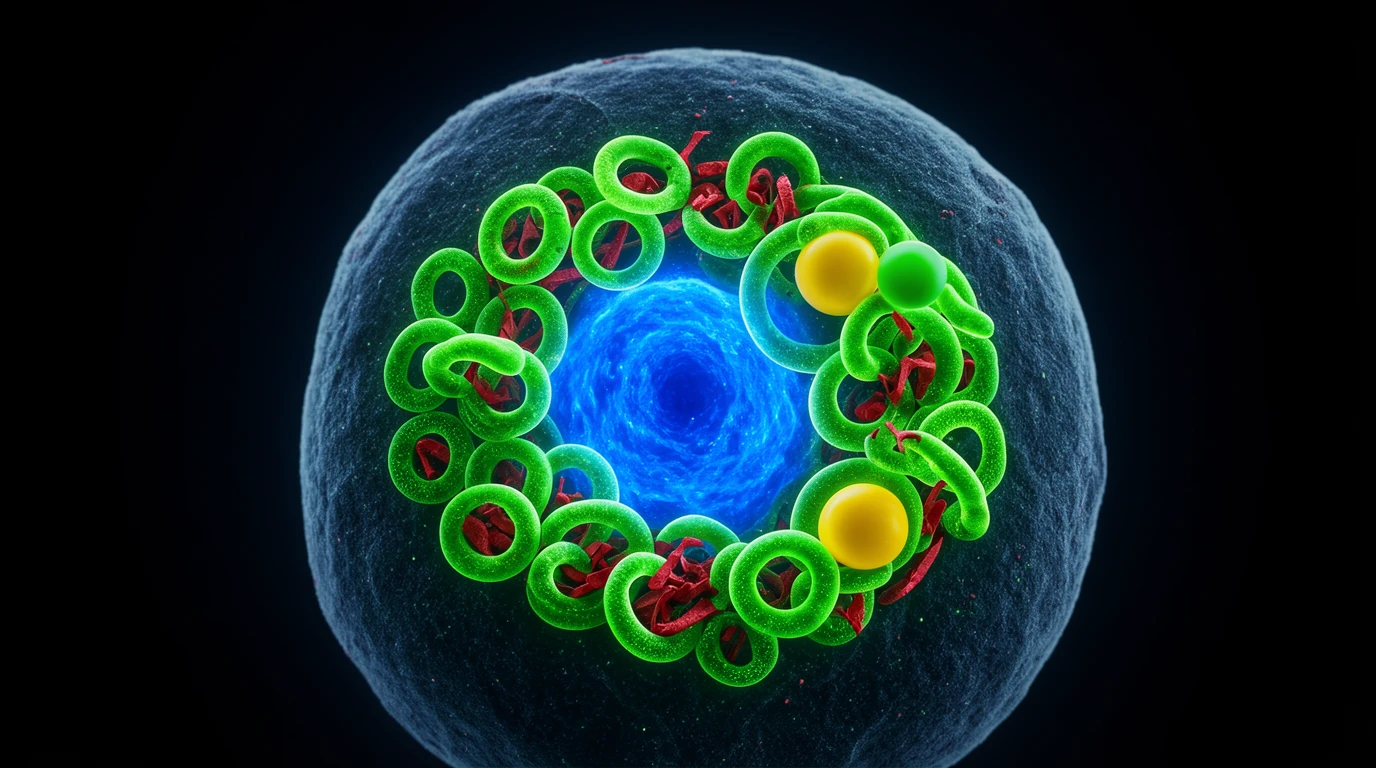
Nobel-Prize Winning Waste Disposal: The Biochemistry of Cellular Recycling
What is Yoshinori Ohsumi's 2016 Nobel Prize-winning discovery of autophagy? Discover ATG genes, mitophagy, the lysosomal junkyard press, and spermidine-driven cellular renewal.
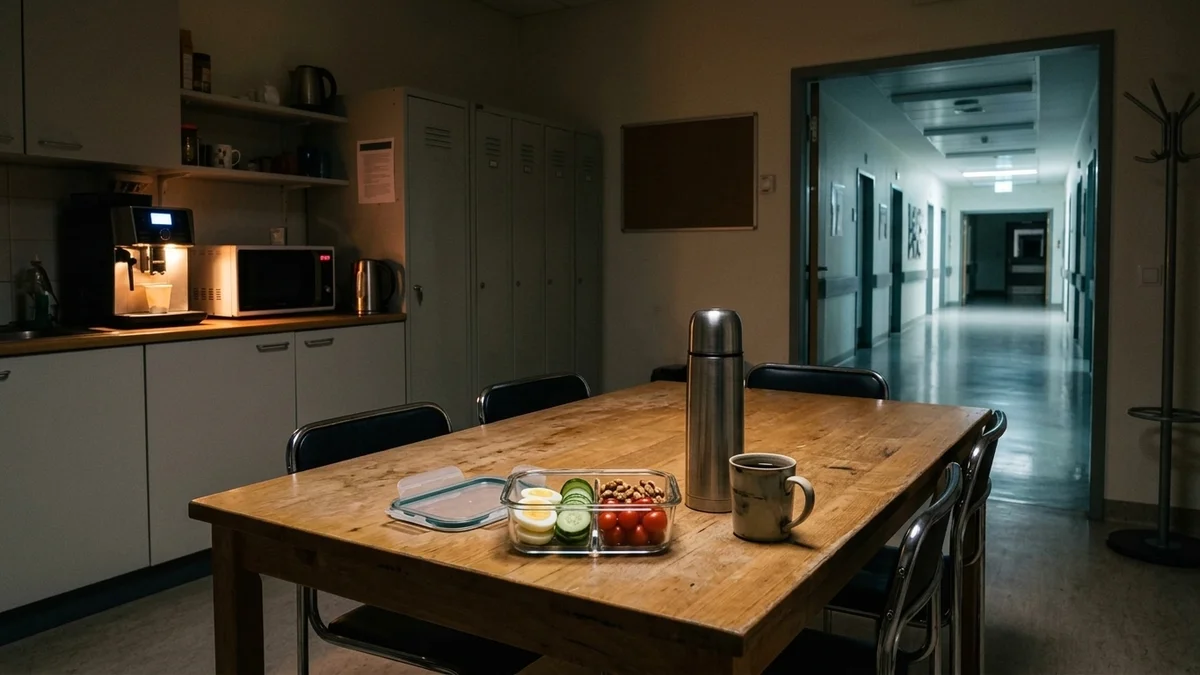
What Should You Eat on Night Shift? Meal Timing, Protein Intake, and Glycemic Control
How does night shift meal timing and protein distribution impact glucose spikes and cardiometabolic stress? Evidence-based guidelines for shift workers and first responders.

Setting Your Biological Clock with Morning Sunlight: The Circadian Synchronization Protocol
The evidence-based mechanism of how outdoor morning sunlight stimulates retinal ipRGCs, anchors the cortisol curve, and sets the countdown for evening melatonin.
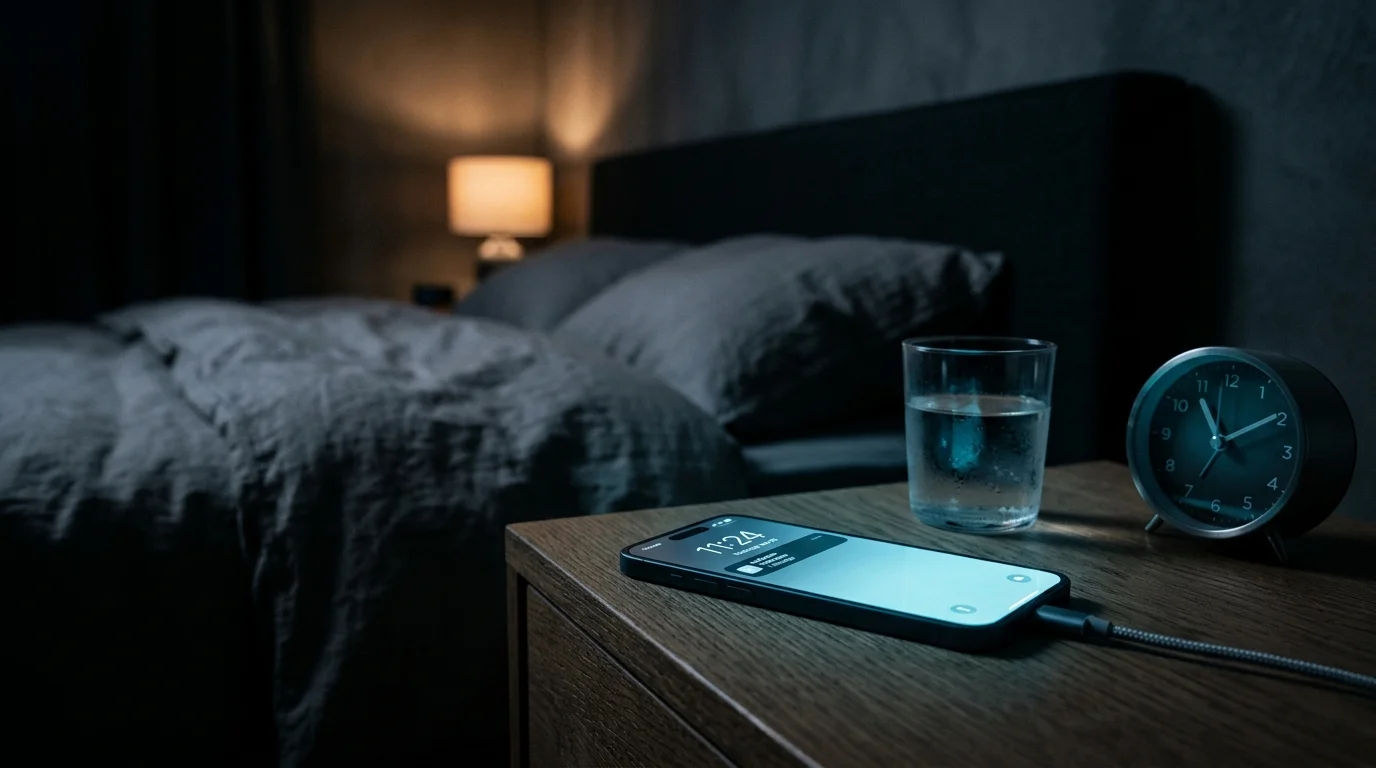
Why Looking at Your Phone Before Bed Instantly Destroys Sleep: The Retinal Circadian Master Switch
Why does picking up your phone in bed instantly vaporize sleepiness? Discover the photobiology of retinal ipRGC sensors, melatonin suppression, and the brain's central clock.
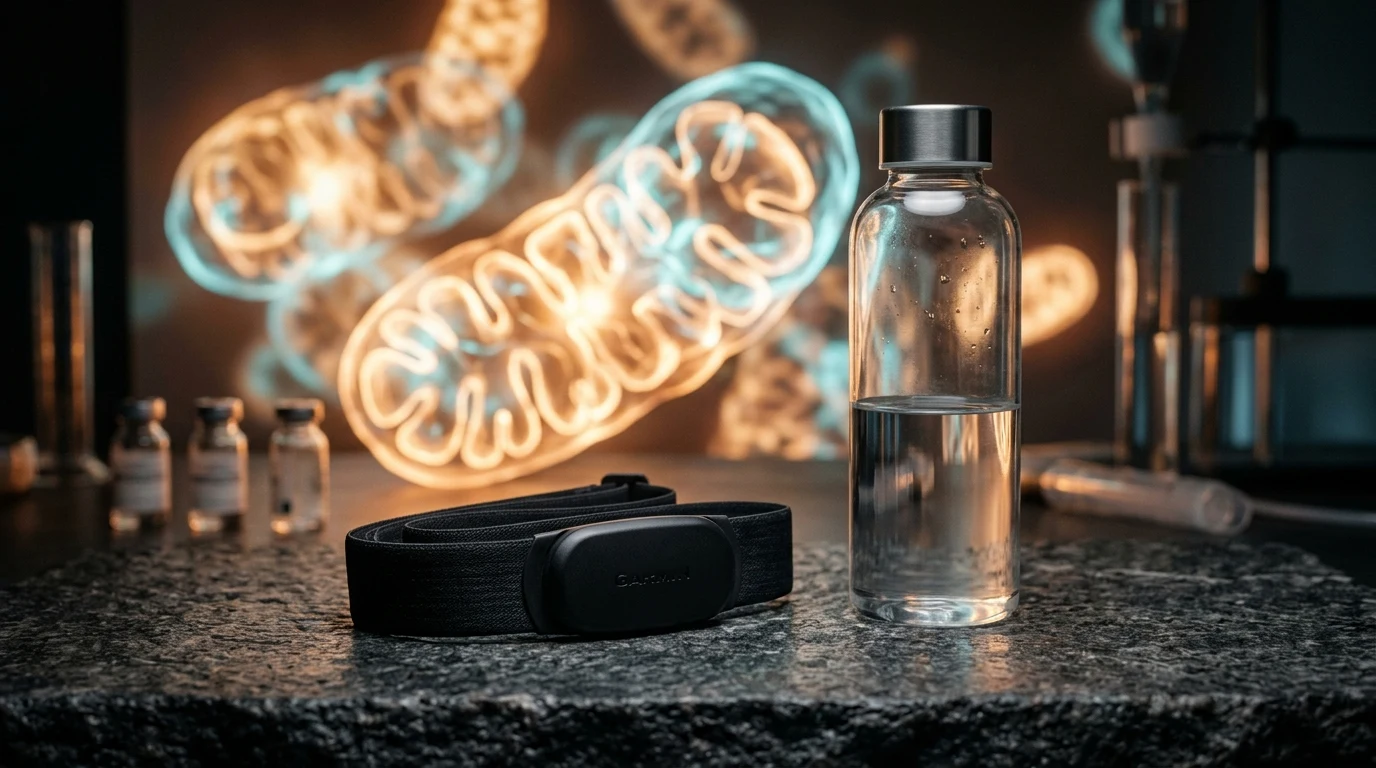
Zone 2 Cardio: How to Calculate Target Heart Rate Zones for Mitochondrial Longevity
Explore the true physiological effects of Zone 2 training on mitochondria and cardiovascular fitness, learn how to calibrate intensity with the Talk Test, and balance volume with intensity.
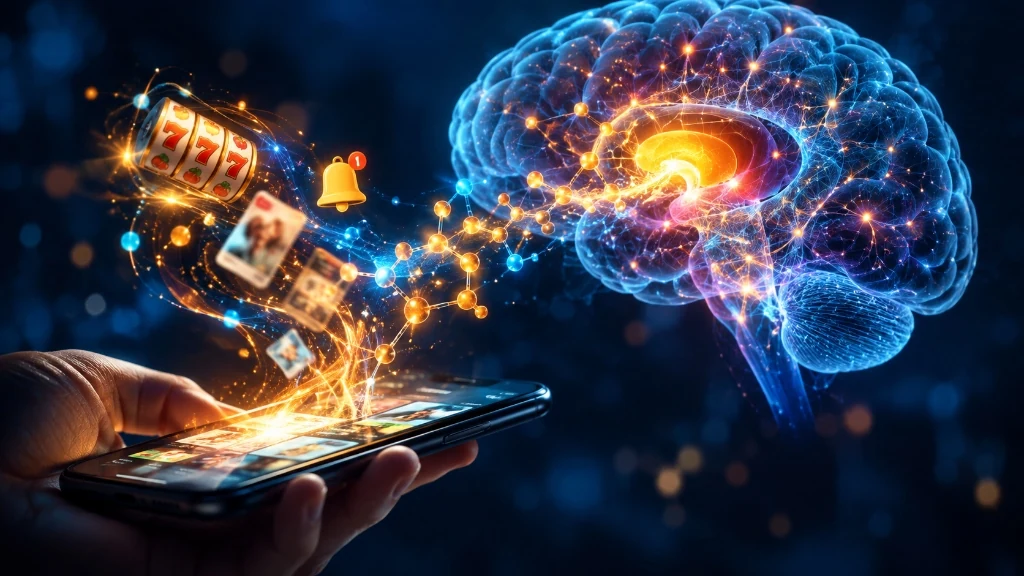
Smartphone Notifications & Dopamine: How to Break the Loop
How notifications hijack the mesolimbic pathway, trigger ΔFosB accumulation, and 5 evidence-based biohacking protocols to reclaim cognitive focus.
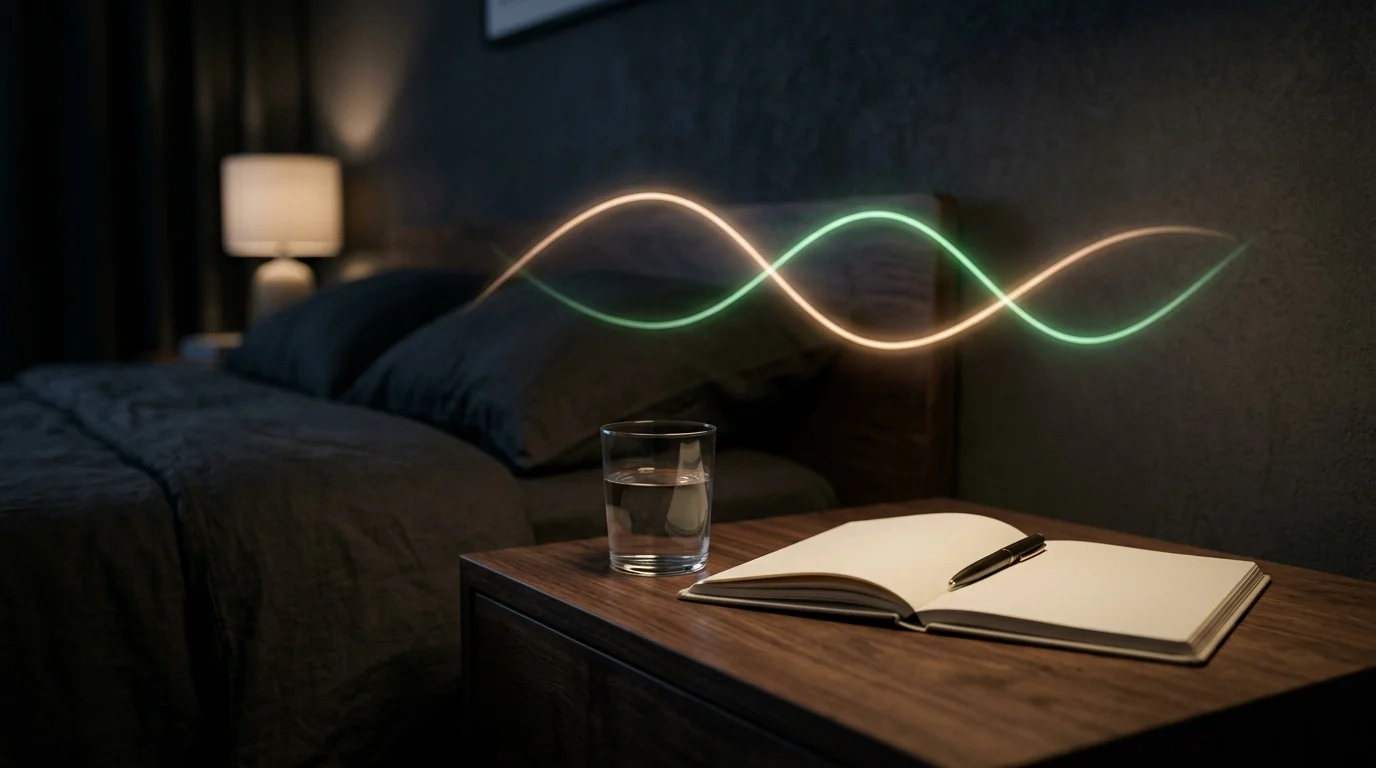
Why We Sleep Review: Matthew Walker's Sleep Architecture, Circadian Rhythms, and REM/Deep Sleep Anatomy
An evidence-based scientific exploration of circadian rhythms, adenosine-driven sleep pressure, caffeine metabolism, and NREM/REM architecture through Matthew Walker's Why We Sleep.
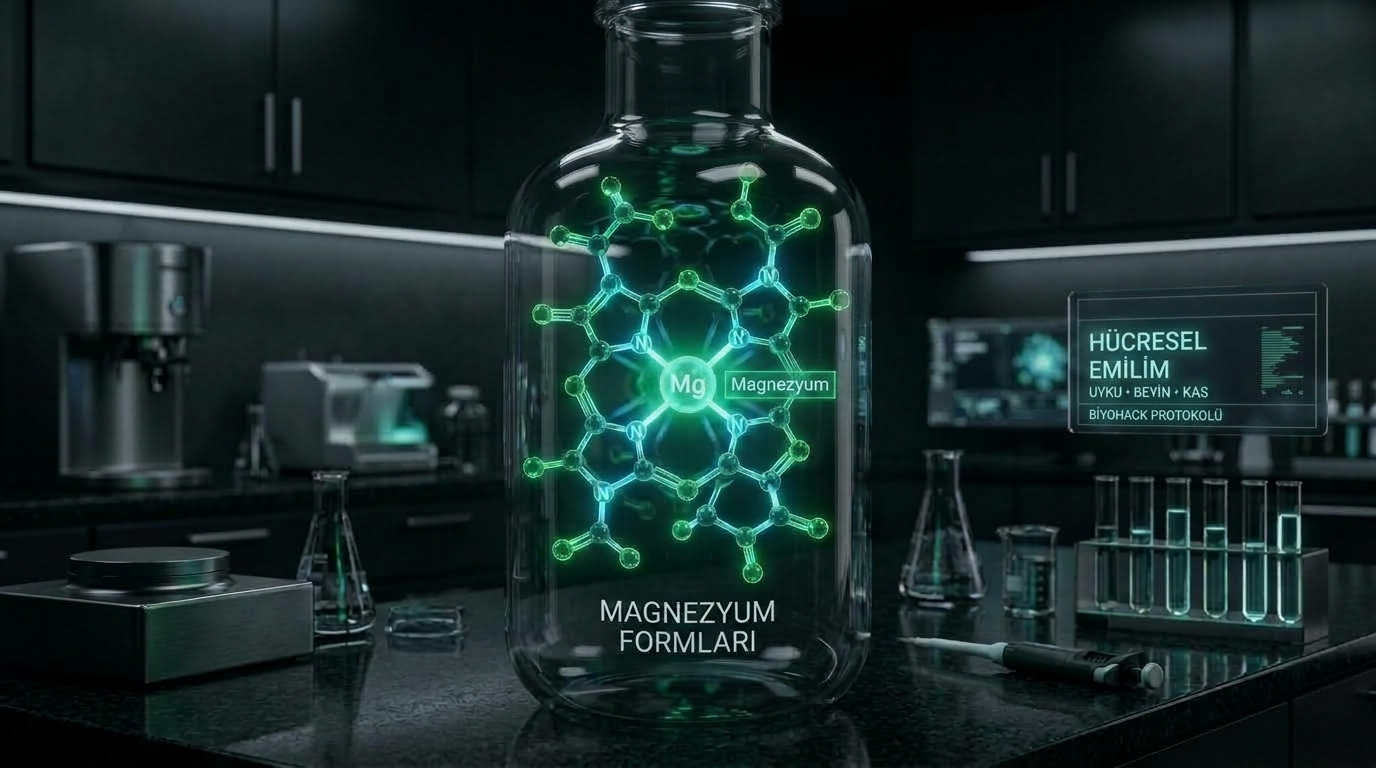
Which Magnesium Form Is Best? The Complete Guide for Sleep, Brain & Muscle
Bisglycinate vs. L-Threonate vs. Malate vs. Citrate: stoichiometric comparison, cellular absorption kinetics, and clinical protocols for optimal magnesium supplementation.
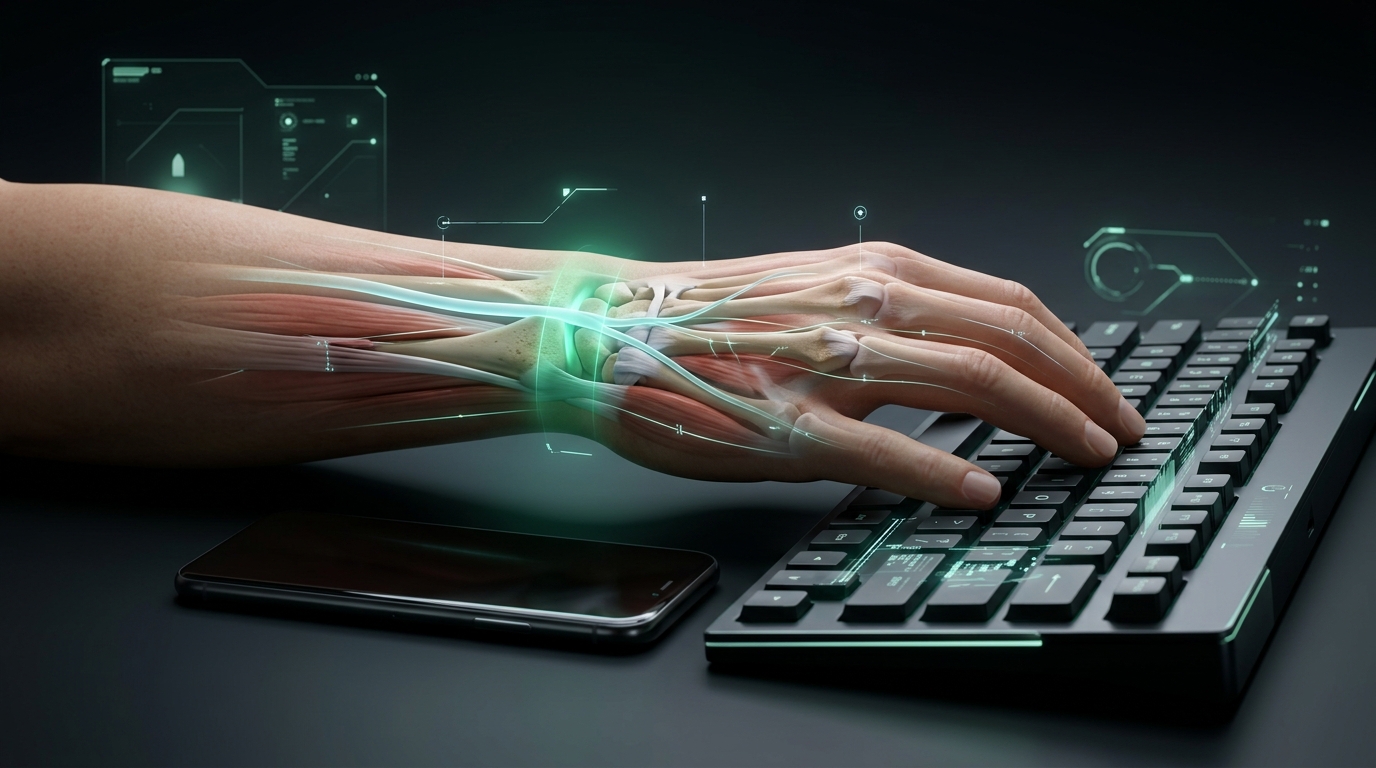
Wrist Pain and Carpal Tunnel Prevention: Biomechanics, Ergonomics, and Recovery
For smartphone, keyboard, and hand-tool users: the biomechanical causes of carpal tunnel syndrome, tenosynovitis, and wrist strain with evidence-based prevention protocols.