Sleep Architecture & Circadian
Circadian biology, melatonin pathways, sleep staging, and non-pharmacological sleep optimization.
Available Guides (7)

Why Can't We Sleep After a Night Shift? The 2026 AASM Clinical Practice Guidelines
Drowsy during your night shift but wide awake the moment you get home? Explore actionable, evidence-based recommendations from the 2026 AASM Shift Work Disorder Guidelines.
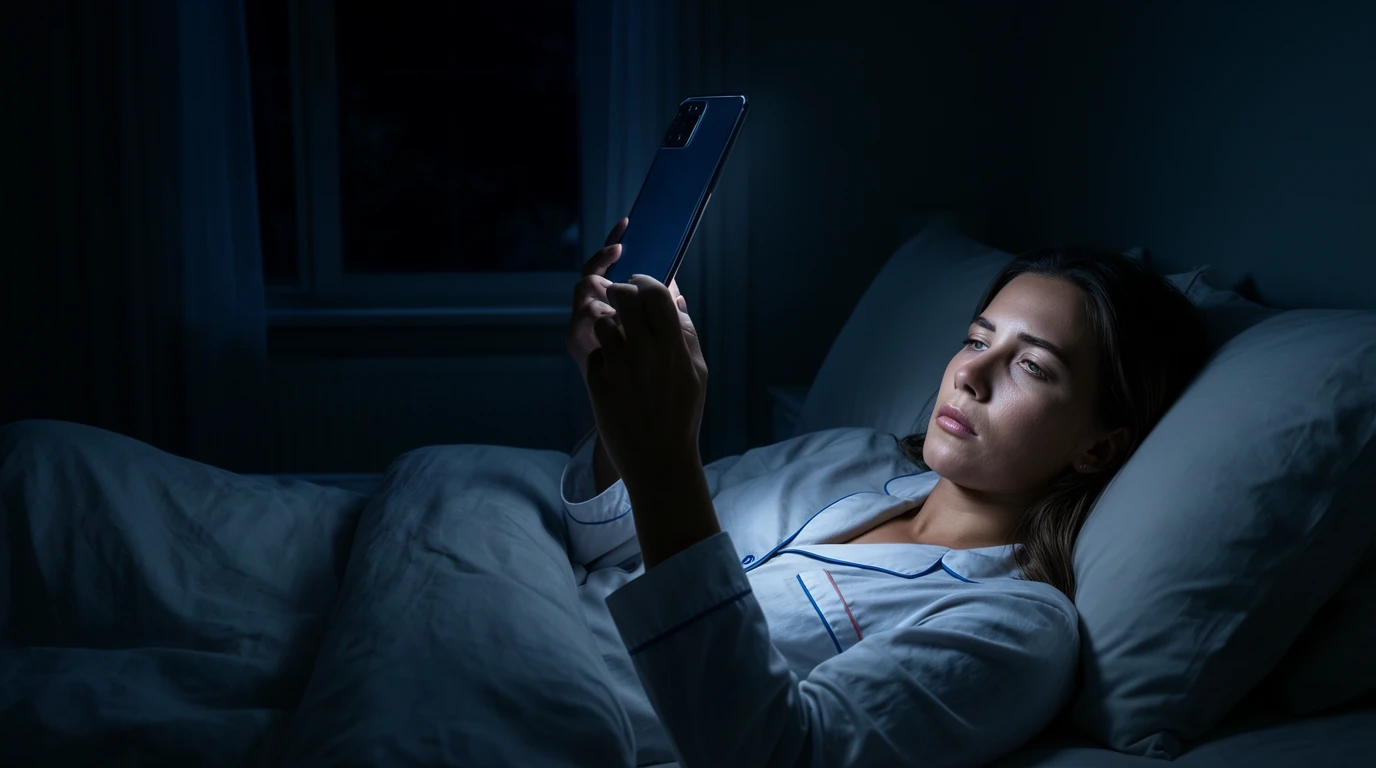
Why Do We Scroll in Bed and Steal Hours from Sleep? The Neuroscience of Revenge Bedtime Procrastination and Parasympathetic Recovery
After spending all day meeting external demands, late-night phone scrolling serves as an unconscious psychological rebellion. Explore the neuroscience of dopamine loops, prefrontal fatigue, and somatic wind-down protocols.

Why Does Fatigue Linger After Work? Occupational Stress, Burnout, and Heart Rate Variability
Why doesn't weekend rest cure chronic job exhaustion? Discover how millisecond fluctuations between heartbeats measure allostatic load and how slow breathing activates the vagal brake.

Do Blue Light Glasses and Night Mode Actually Work? 2026 Clinical Evidence
A systematic review analysis evaluating the real impact of clear blue-blocking lenses and smartphone Night Shift modes on circadian rhythm, melatonin, and sleep architecture.

Setting Your Biological Clock with Morning Sunlight: The Circadian Synchronization Protocol
The evidence-based mechanism of how outdoor morning sunlight stimulates retinal ipRGCs, anchors the cortisol curve, and sets the countdown for evening melatonin.
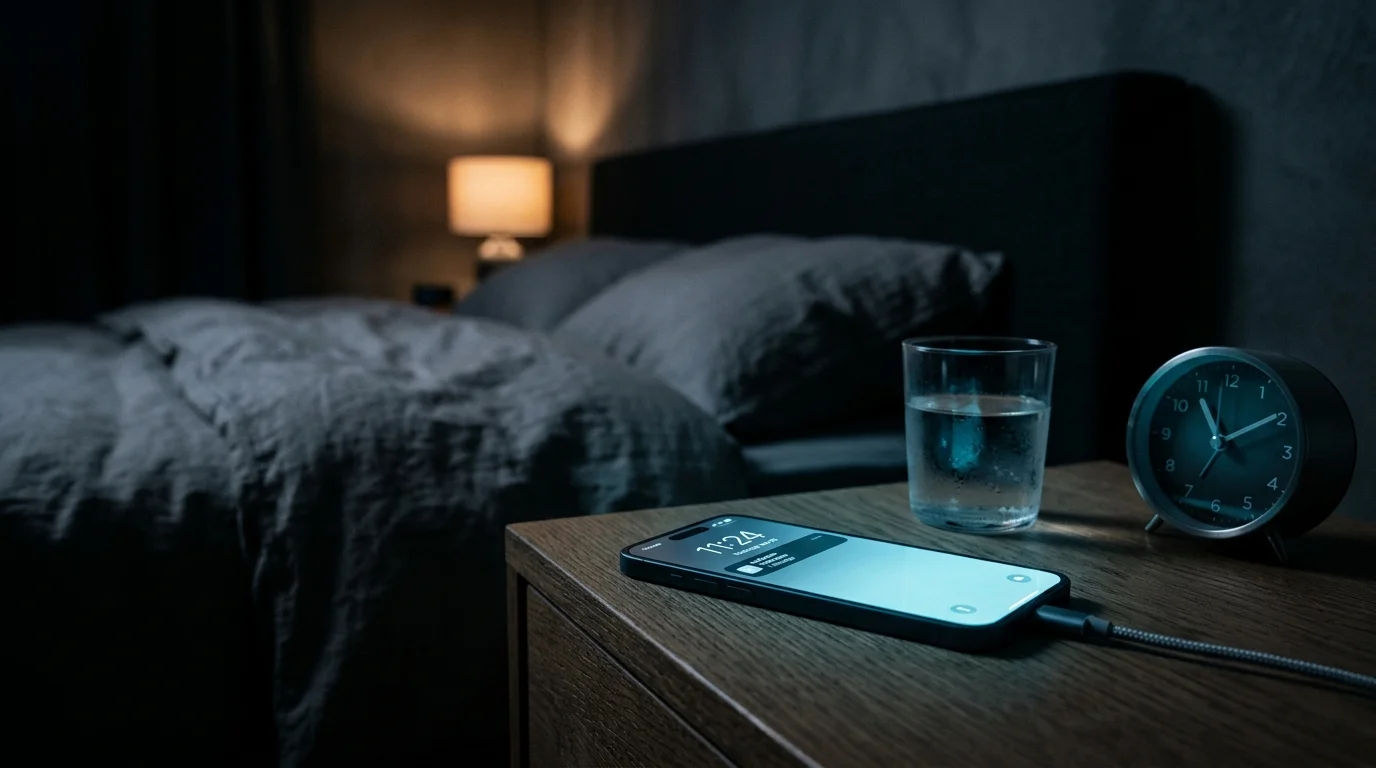
Why Looking at Your Phone Before Bed Instantly Destroys Sleep: The Retinal Circadian Master Switch
Why does picking up your phone in bed instantly vaporize sleepiness? Discover the photobiology of retinal ipRGC sensors, melatonin suppression, and the brain's central clock.
Why We Sleep Review: Matthew Walker's Sleep Architecture, Circadian Rhythms, and REM/Deep Sleep Anatomy
An evidence-based scientific exploration of circadian rhythms, adenosine-driven sleep pressure, caffeine metabolism, and NREM/REM architecture through Matthew Walker's Why We Sleep.