Longevity & Biohacking
Cellular health, biomechanics, ergonomics, and evidence-based longevity protocols.
Available Guides (21)
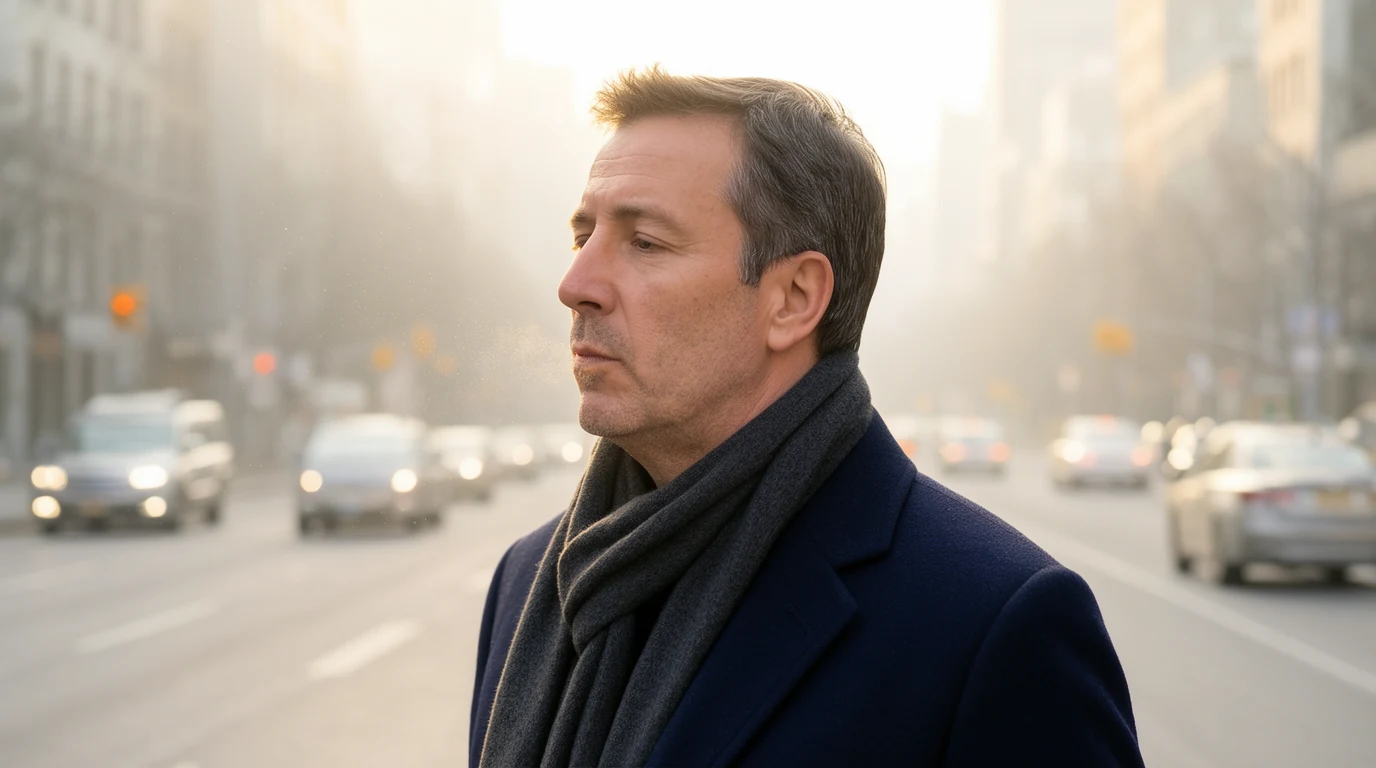
Does Breathing City Air Accelerate Brain Aging? Evidence on Air Pollution and Cognitive Decline
What do comprehensive systematic reviews reveal about ambient air pollution, accelerated brain aging, and dementia risk? Scientific evidence, limitations, and actionable protective measures.

How Should We Change Our Note-Taking Habits to Learn Faster and Permanently? Brain, Synapses, and the Science of Understanding
Discover why verbatim note copying lulls the brain into passive complacency. Explore concept mapping, the Feynman synthesis, and dual coding to forge durable synaptic circuits.

Southeast Asia Longevity Trends: Evidence-Based Health Solutions
How Okinawa and Asian longevity traditions intersect with geroscience; exploring Hara Hachi Bu, fermented polyphenols, and practical nutritional habits.
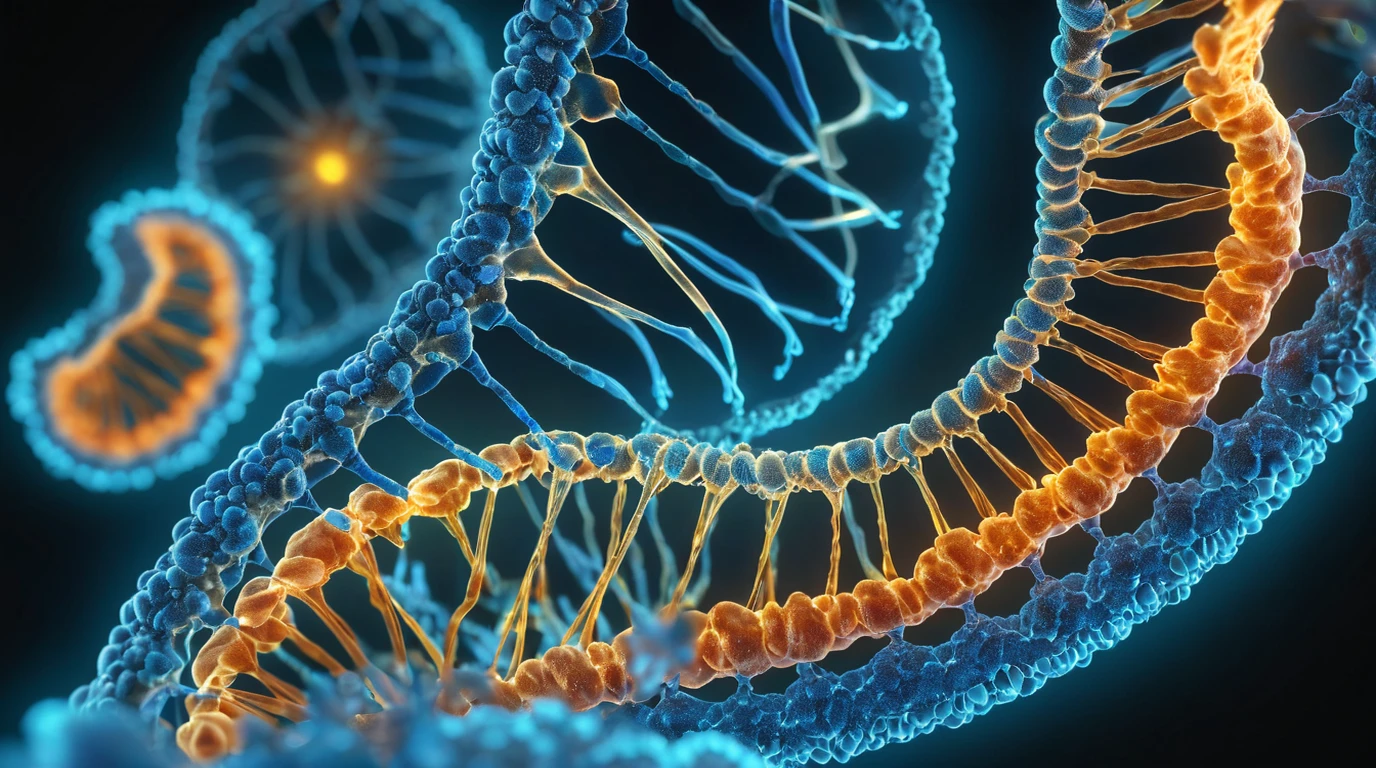
What Really Happens to Our Cells as We Age? Cellular Senescence, Shortening Telomeres, and Mitochondrial Decline
The underlying biology of aging and fatigue: how senescent zombie cells accumulate, mitochondria lose efficiency, telomeres wear down, and evidence-based ways to maintain cellular vitality.

Why Do We Scroll in Bed and Steal Hours from Sleep? The Neuroscience of Revenge Bedtime Procrastination and Parasympathetic Recovery
After spending all day meeting external demands, late-night phone scrolling serves as an unconscious psychological rebellion. Explore the neuroscience of dopamine loops, prefrontal fatigue, and somatic wind-down protocols.

Why Do Sudden Weather Changes Trigger Headaches and Fatigue? The Biology of Weather Sensitivity (Meteoropathy) and Evidence-Based Relief
How falling barometric pressure activates inner ear vestibular sensors and cranial blood vessels, triggering headaches, joint aches, and acute fatigue, with actionable natural protocols.
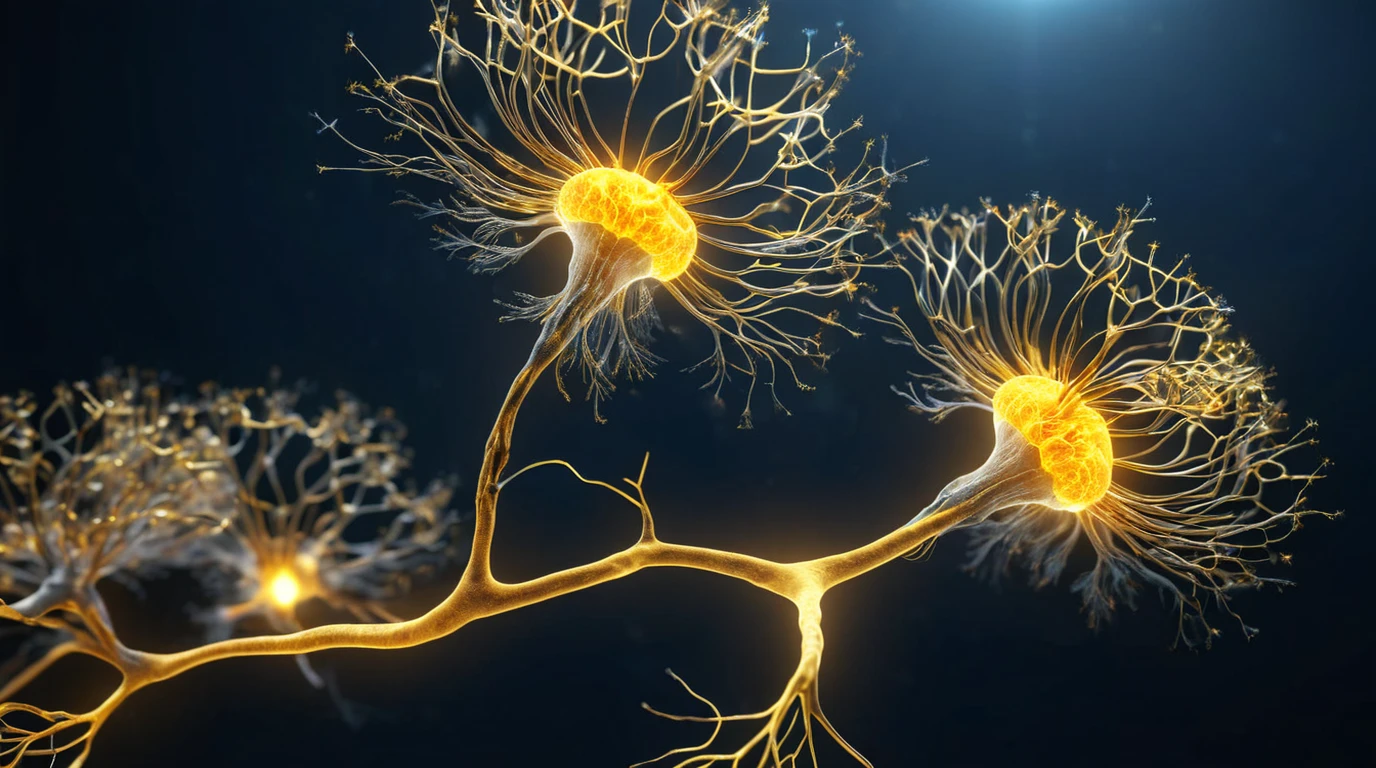
Which Cognitive Methods Ensure Permanent Memory Retention? The Brain, Synapses, and Learning
Escape the illusion of competence caused by passive rereading and highlighting. Discover evidence-based cognitive strategies—active recall, spaced repetition, and dual coding—that strengthen synaptic plasticity.

Does Stress Weaken or Strengthen the Immune System? The Biological Divide Between Acute and Chronic Alarm
How does acute excitement sharpen immune defenses while chronic stress erodes disease resistance? Discover the dual nature of stress on immunity with peer-reviewed science.
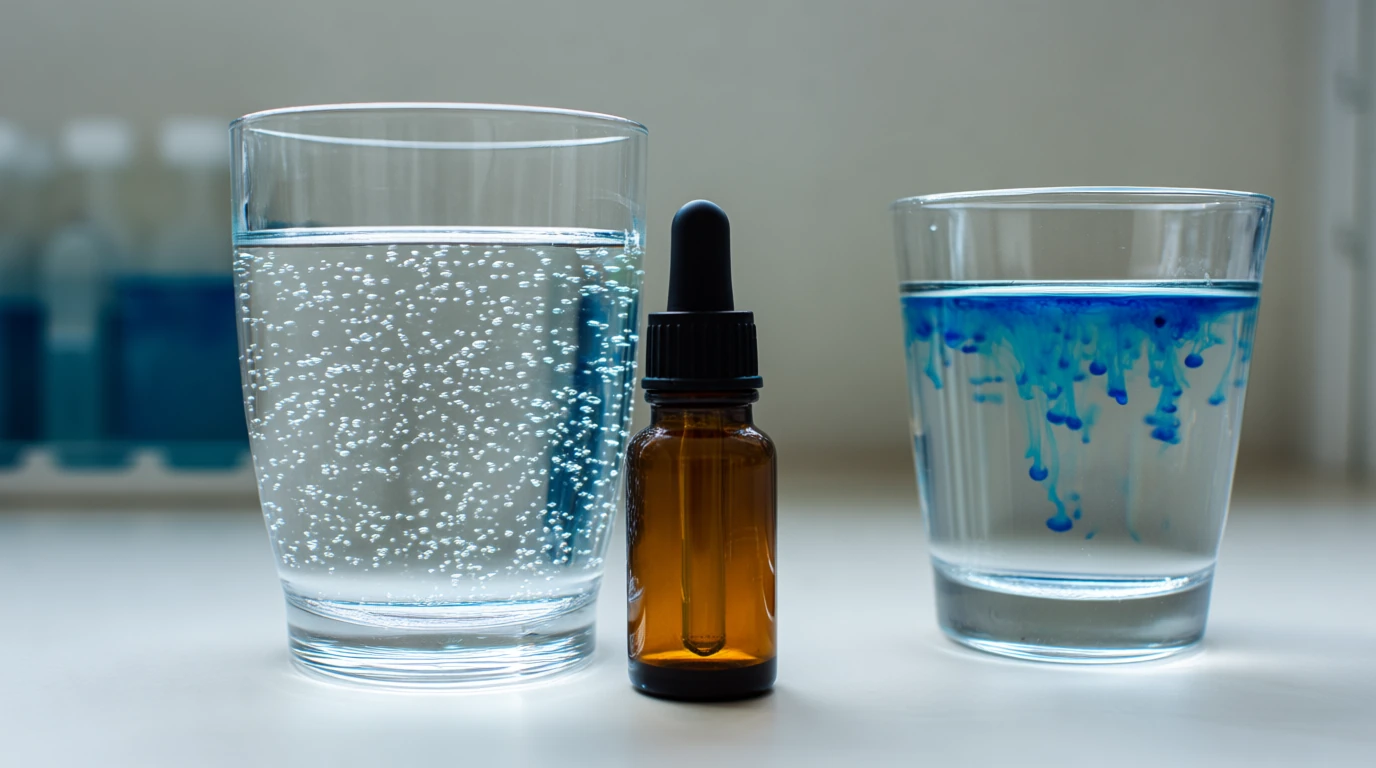
Do Hydrogen Water, Methylene Blue, and 'Heavy Metal Detox' Rejuvenate Cells? The Science and Dangers of Longevity Trends
What does peer-reviewed biomedical literature reveal about social media trends like molecular hydrogen water, methylene blue, and chelation protocols, and which drug interactions carry fatal risks?

Why Unlearning Is Harder Than Learning: The Neurobiology of Habits, Cognitive Flexibility, and Adaptation
Why does breaking years-old habits exhaust the brain more than learning new skills? Discover how inhibitory control, prefrontal fatigue, and striatal loops govern behavioral change.

Why Your Brain Keeps Working While You Rest: The Neurobiology of Invisible Mental Load and Decision Fatigue
Why does the phrase 'you should have just asked' exhaust us, how do mental to-do lists drain our prefrontal cortex, and why can't we relax in the evening? A science-backed guide.

Can Exercise Really Erase Forgetfulness? Episodic Memory, Depression, and Cognitive Science
While physical exercise moderately supports episodic and verbal memory in individuals with depression, it may not offer lasting cognitive protection in burnout or improve visual memory.
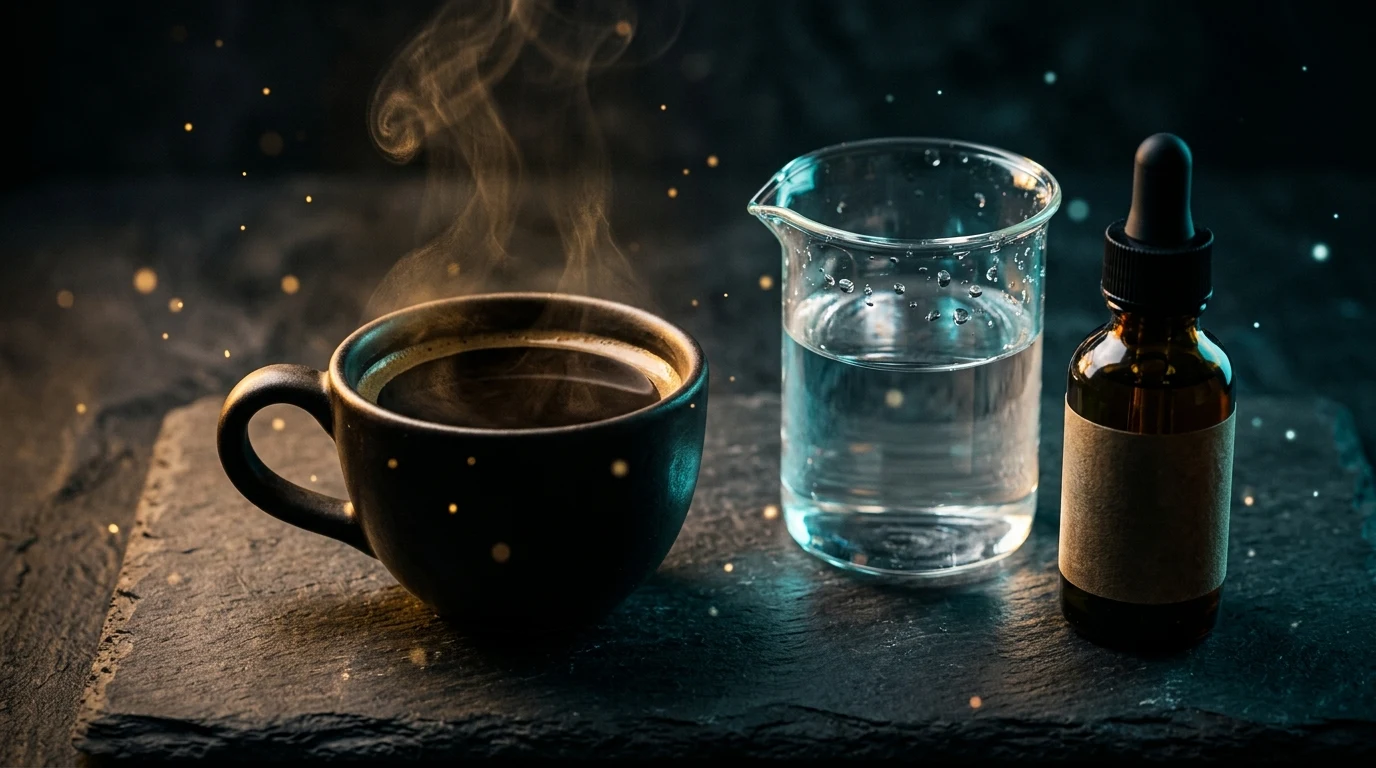
5 Hidden Mistakes That Halt Autophagy: The Collagen, Milk Coffee, and Sweetener Trap
What hidden triggers break autophagy during intermittent fasting? Discover how collagen peptides, milky coffee, BCAAs, and artificial sweeteners affect mTOR and cellular renewal.
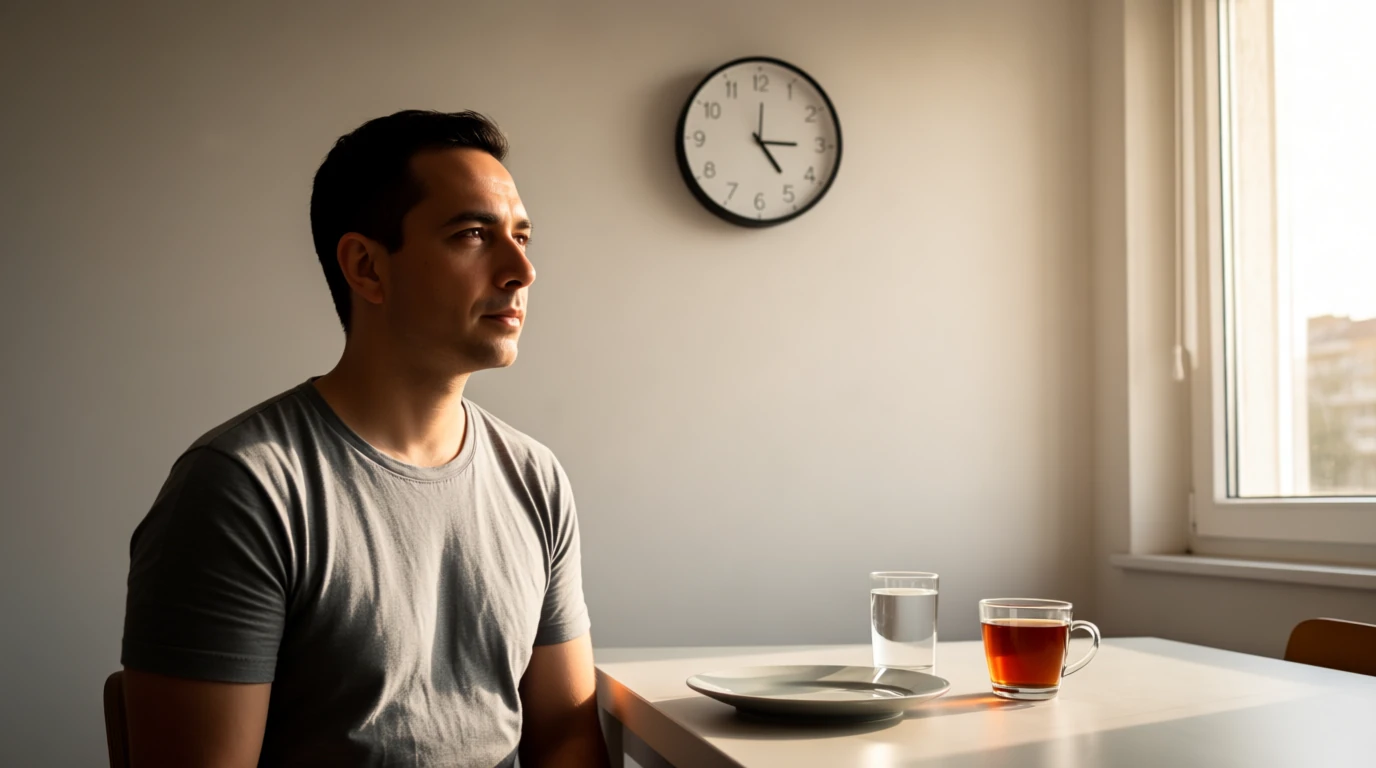
The Autophagy Clock: When Does Cellular Recycling Actually Peak During Intermittent Fasting?
At what hour does autophagy activate during intermittent fasting? Discover the biochemical phases at 12, 16, and 24 hours, cellular recycling kinetics, and an hour-by-hour timeline.

Does Reducing Dietary Protein Really Rejuvenate Our Cells? What Human Autophagy Trials Reveal
A groundbreaking 2026 human clinical study demonstrates that cutting dietary protein without caloric restriction fails to trigger blood cell autophagy and risks muscle loss.
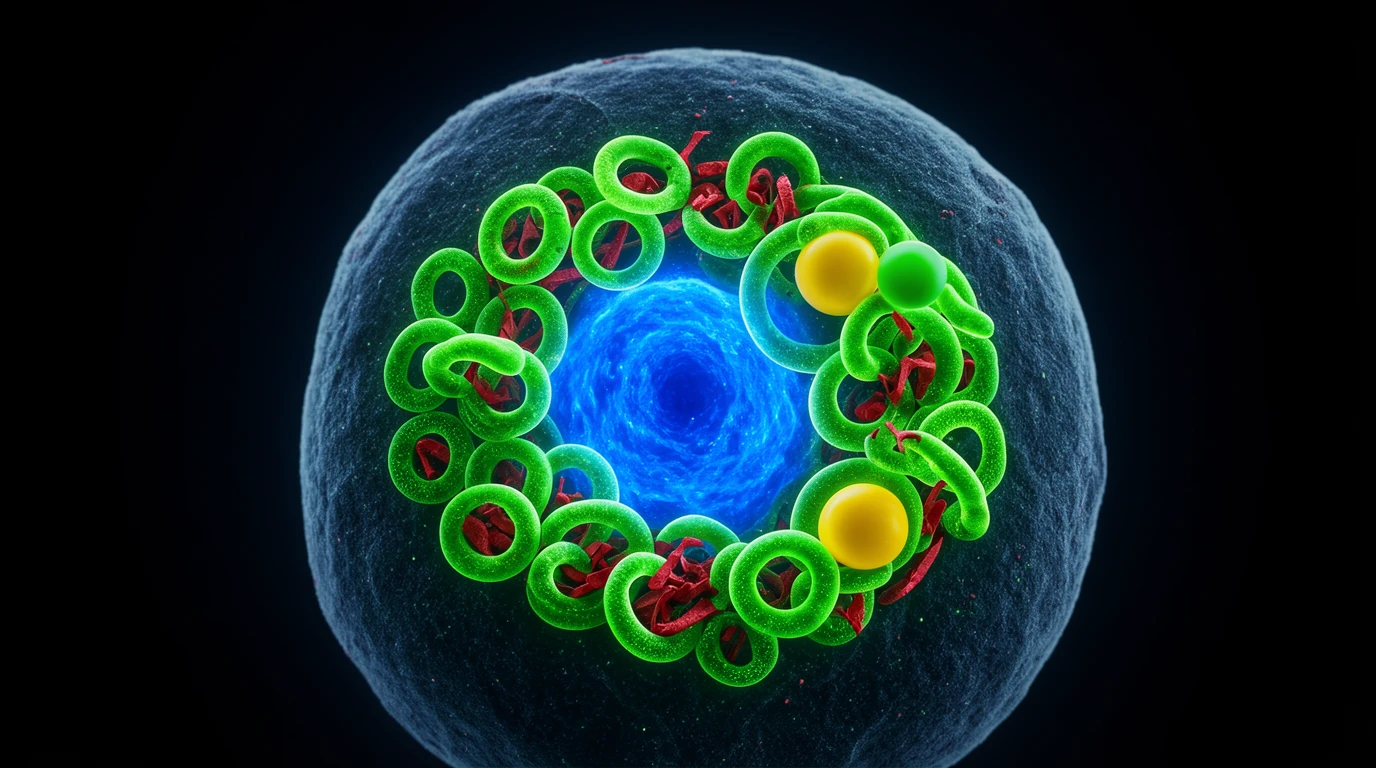
Nobel-Prize Winning Waste Disposal: The Biochemistry of Cellular Recycling
What is Yoshinori Ohsumi's 2016 Nobel Prize-winning discovery of autophagy? Discover ATG genes, mitophagy, the lysosomal junkyard press, and spermidine-driven cellular renewal.
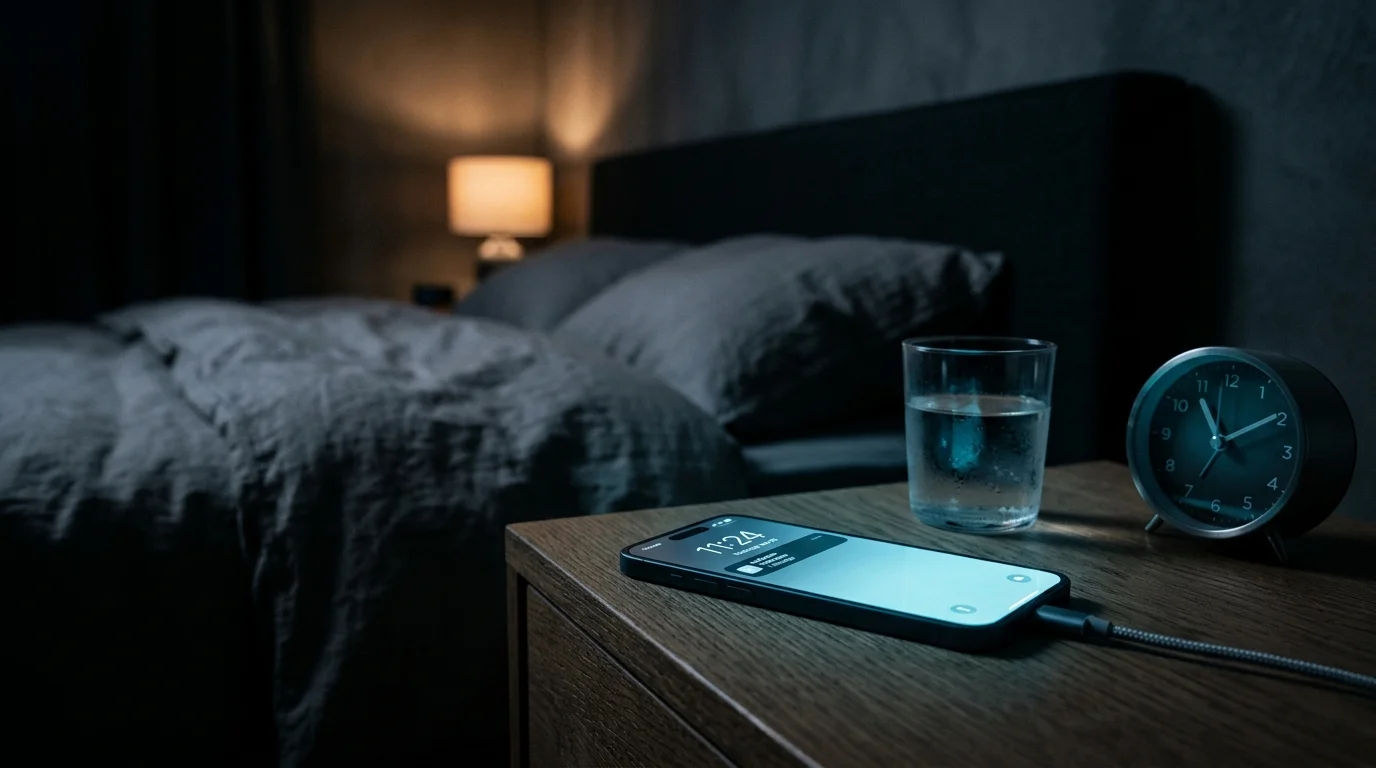
Why Looking at Your Phone Before Bed Instantly Destroys Sleep: The Retinal Circadian Master Switch
Why does picking up your phone in bed instantly vaporize sleepiness? Discover the photobiology of retinal ipRGC sensors, melatonin suppression, and the brain's central clock.
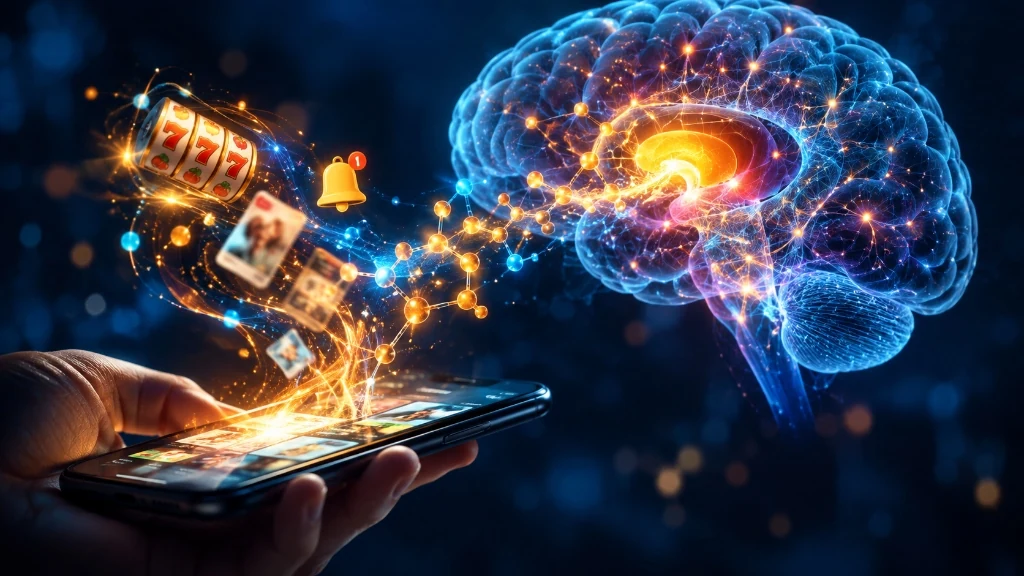
Smartphone Notifications & Dopamine: How to Break the Loop
How notifications hijack the mesolimbic pathway, trigger ΔFosB accumulation, and 5 evidence-based biohacking protocols to reclaim cognitive focus.
Why We Sleep Review: Matthew Walker's Sleep Architecture, Circadian Rhythms, and REM/Deep Sleep Anatomy
An evidence-based scientific exploration of circadian rhythms, adenosine-driven sleep pressure, caffeine metabolism, and NREM/REM architecture through Matthew Walker's Why We Sleep.
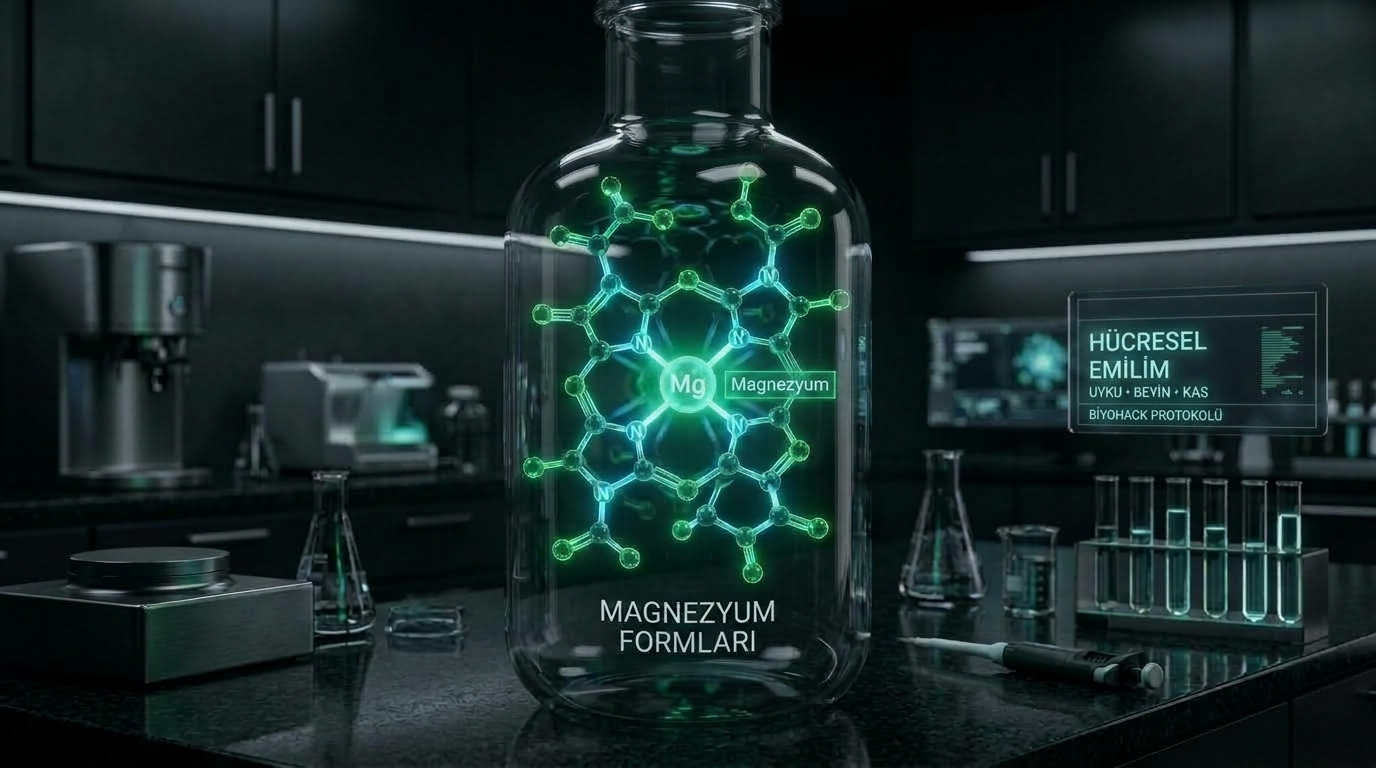
Which Magnesium Form Is Best? The Complete Guide for Sleep, Brain & Muscle
Bisglycinate vs. L-Threonate vs. Malate vs. Citrate: stoichiometric comparison, cellular absorption kinetics, and clinical protocols for optimal magnesium supplementation.
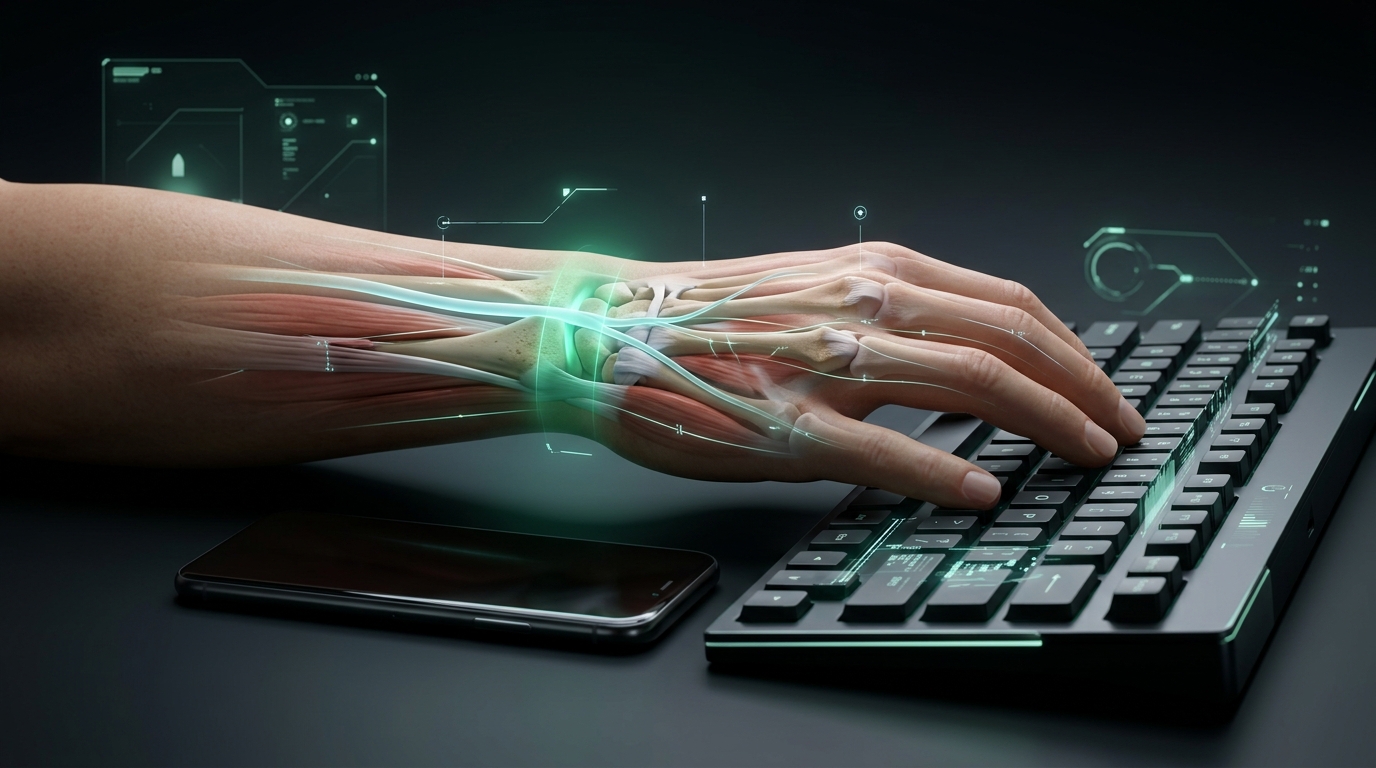
Wrist Pain and Carpal Tunnel Prevention: Biomechanics, Ergonomics, and Recovery
For smartphone, keyboard, and hand-tool users: the biomechanical causes of carpal tunnel syndrome, tenosynovitis, and wrist strain with evidence-based prevention protocols.