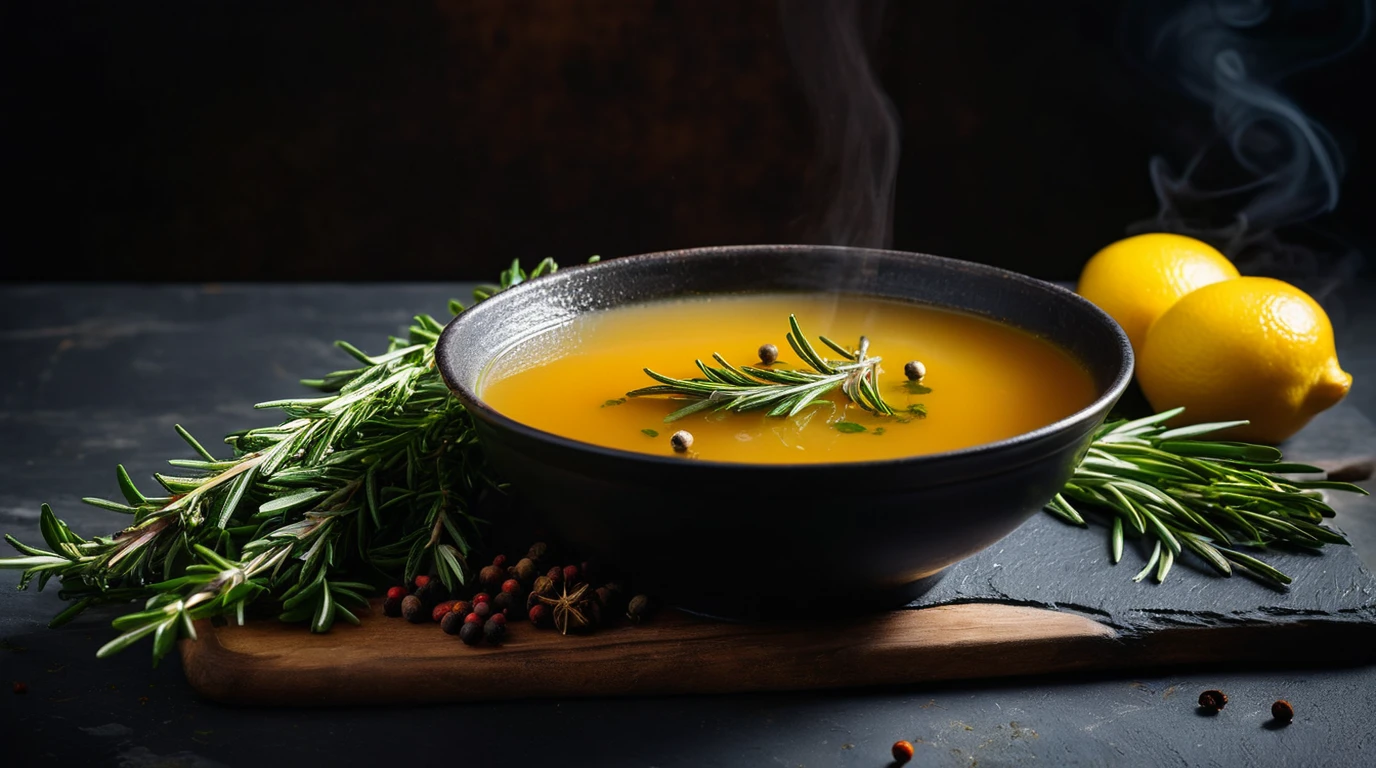
- → 70% of your immune cells guard the gut barrier: Gut-associated lymphoid tissue (GALT) determines within seconds what passes into the bloodstream and what is expelled (Mowat & Agace, 2014).
- → Tight junctions act like castle mortar: When Claudin and Occludin proteins loosen, undigested macromolecules leak into circulation, triggering low-grade chronic inflammation (Bischoff et al., 2014).
- → Glycine and proline stimulate epithelial repair: The high glycine content in collagen fuels enterocyte renewal and accelerates mucosal layer synthesis (Liu et al., 2022).
- → Bone broth is a building block, not a standalone cure: Drinking broth provides raw materials, but leaks cannot seal if excessive sugar, alcohol, and NSAID painkillers continue eroding the lining (Chen et al., 2020).
⚠️ Editorial Note: This article is an educational resource based on peer-reviewed biomedical literature and biochemical research. It does not replace medical advice, diagnosis, or personalized dietary therapy. If you suffer from inflammatory bowel disease (Crohn’s, Ulcerative Colitis) or severe histamine intolerance, consult your physician before changing your nutritional protocol.
In Brief
- While wellness influencers often brand bone broth as a miracle cure-all, the biochemical reality is more measured yet equally fascinating [1, 2].
- Intestinal epithelial cells adhere to one another via specialized protein bridges known as tight junctions [1].
- Bone broth is exceptionally rich in glycine and proline, the essential amino acid building blocks required to synthesize and restore these junctional complexes [3, 4].
- Approximately 70% of the human immune system resides along the gut mucosal lining; repairing the gut wall eases systemic inflammatory burdens [2, 5].
Sound Familiar?
Persistent post-meal bloating, unexplainable afternoon brain fog, and recurring low-grade infections regardless of the season… Most people attribute these daily complaints to high stress or poor sleep.
Yet modern gastroenterology highlights a foundational truth: The largest interface between your internal body and the outside world is neither your lungs nor your skin—it is your intestinal lining. Spanning roughly 30 square meters, this vast biological border is shielded by a fragile layer just one single cell thick.
This is precisely where simmered bone broth and collagen peptides enter the conversation. Can this ancestral staple truly seal mucosal permeability and fortify immunity, or is it merely an overhyped wellness myth?
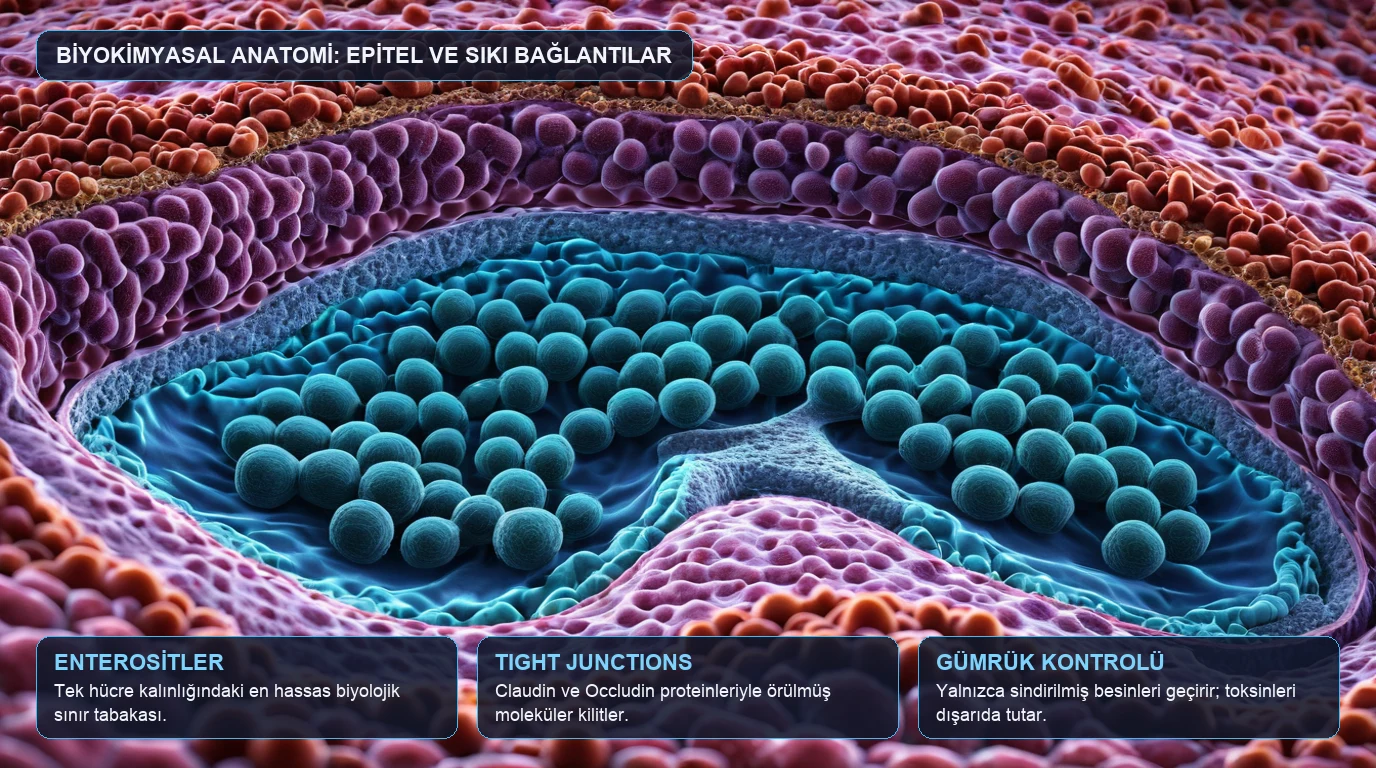
The Castle Wall and Mortar Analogy
To grasp intestinal permeability, imagine a medieval border fortress.
Each stone block in the fortress wall represents an intestinal epithelial cell (enterocyte). But stone blocks alone cannot repel invaders; there must be strong, impermeable mortar between them to prevent rain, wind, and enemy infiltrators from slipping through.
In human physiology, this mortar is formed by tight junctions. Composed of specialized proteins such as Claudin, Occludin, and ZO-1 (Zonula Occludens-1), these molecular seals allow micronutrients (vitamins, minerals, amino acids) into the bloodstream while barring undigested peptides, lipopolysaccharide (LPS) toxins, and opportunistic microbes [1].
What happens when the mortar cracks? Intestinal permeability increases—often described colloquially as leaky gut. When unauthorized molecules penetrate into circulation, immune sentinels patrolling right behind the wall (GALT tissue) trigger systemic inflammatory alerts [2, 5].
3 Bioactive Building Blocks in Bone Broth
Simmered bone broth is not ordinary soup; it is a bioavailable elixir extracted by demineralizing collagen-dense bones, cartilage joints, and connective tissue over low heat [2].
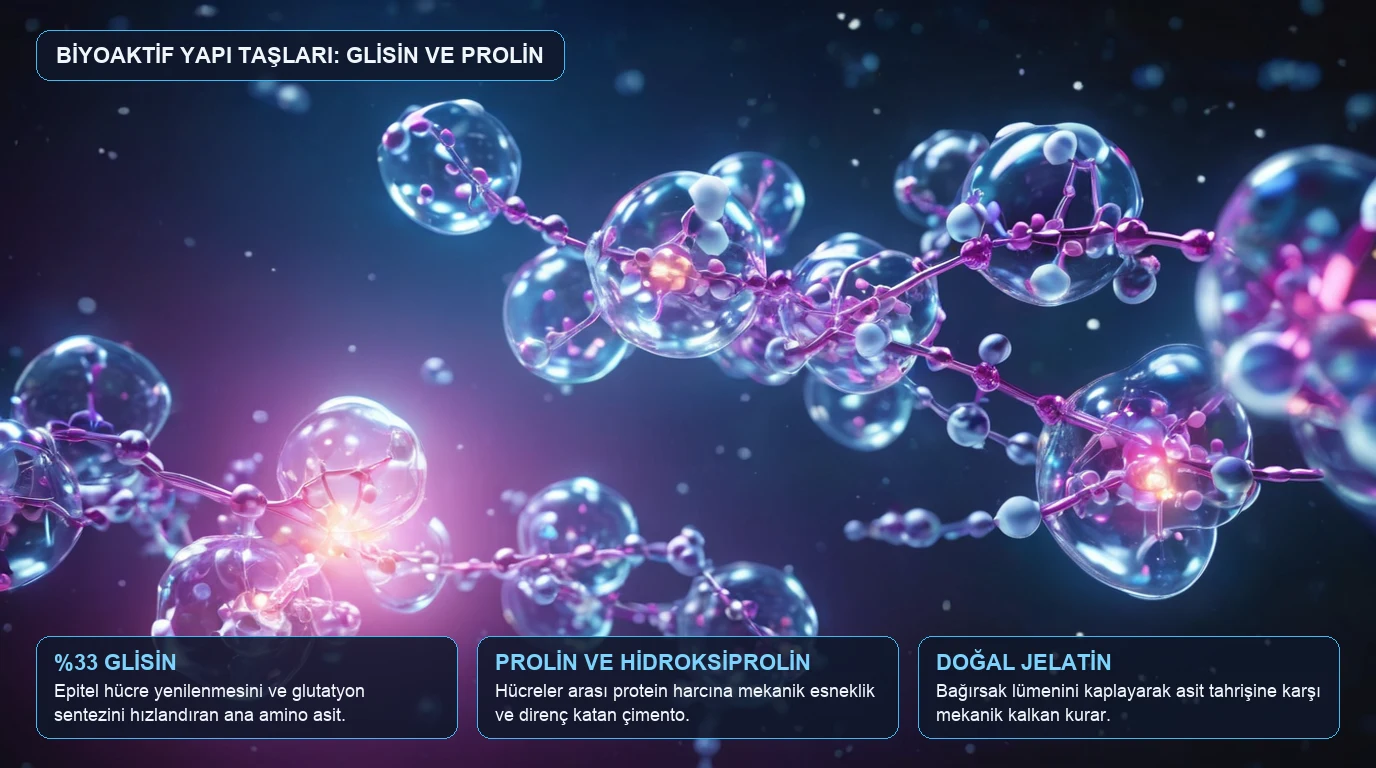
1. Glycine: The Epithelial Guardian
One out of every three amino acids in collagen is glycine. Glycine serves as a direct precursor to glutathione, the body’s master antioxidant, shielding enterocytes from oxidative degradation.
A 2016 study in the Journal of Surgical Research demonstrated that glycine administration directly restored intestinal mucosal barrier integrity following acute ischemia and tissue trauma [4]. Glycine also supports healthy gastric acid secretion, optimizing initial protein breakdown.
2. Proline and Hydroxyproline: The Structural Cement
Prolin imparts rigidity and tensile resilience to collagen structures. Intestinal epithelial cells undergo rapid mechanical turnover, renewing themselves every 3 to 5 days. Proline provides the raw substrate for ongoing cellular protein synthesis. A 2022 landmark study in Food & Function showed that collagen peptides significantly upregulated ZO-1 and Claudin-1 expression, boosting transepithelial electrical resistance [3].
3. Gelatin and Glycosaminoglycans (GAGs)
When properly prepared bone broth chills into a gelatinous mold, it indicates rich gelatin content. Gelatin binds water within the intestinal lumen, supporting bowel transit and forming a soothing hydrophilic layer that cushions the mucosal lining against bile and digestive acids [2].
Why Does the Immune System Live in Your Gut?
Approximately 70% to 80% of all immunoglobulin-producing cells and mature lymphocytes in the human body reside within Gut-Associated Lymphoid Tissue (GALT), embedded directly beneath the intestinal epithelium [5].
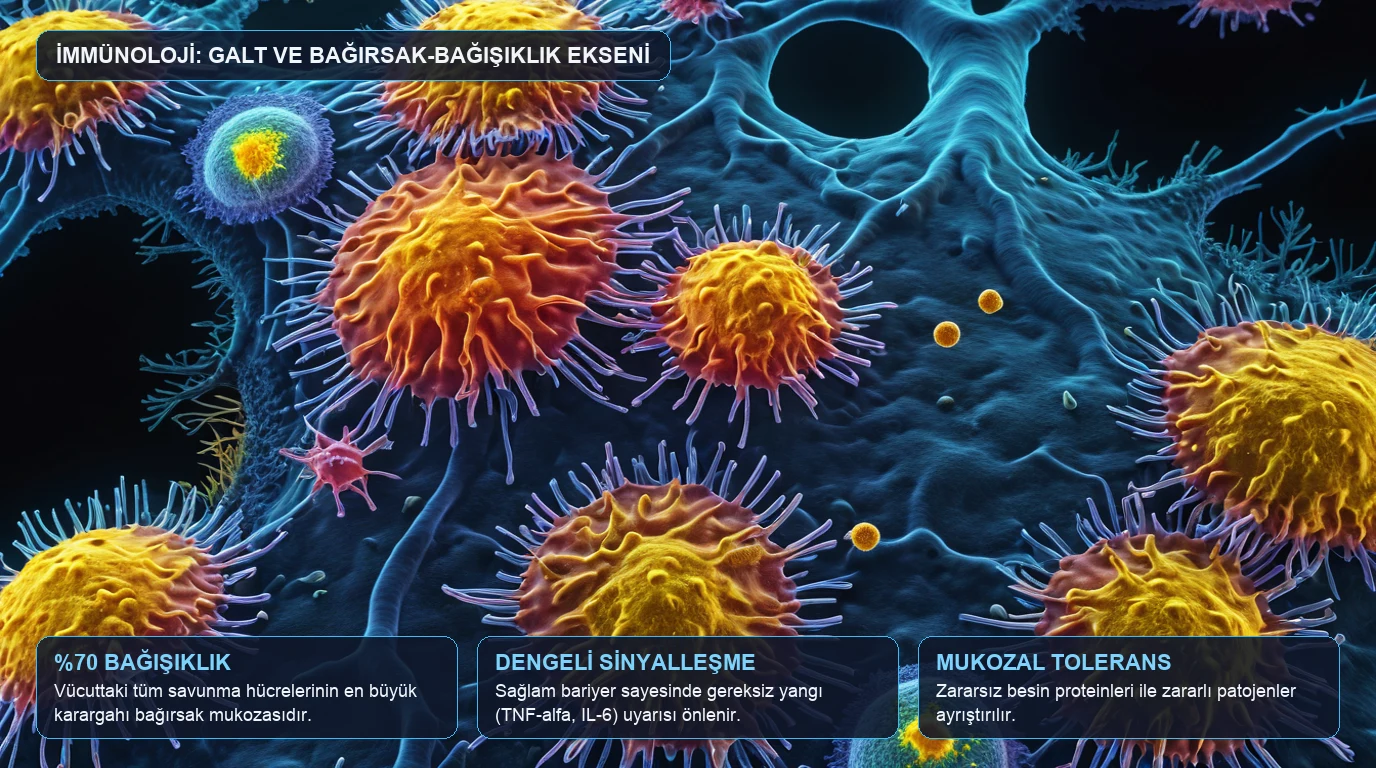
When the mucosal barrier is intact, GALT sentinels maintain oral immune tolerance. They do not waste precious energy fighting dietary antigens or benign commensal flora, reserving resources for genuine seasonal pathogens and cellular housekeeping.
In a comprehensive 2020 preclinical trial published in Frontiers in Nutrition, bone broth supplementation was shown to modulate the microbiome favorably while significantly downregulating systemic inflammatory cytokines, notably TNF-alpha and IL-6 [2].
Bone broth does not artificially “boost” immunity; rather, it relieves chronic baseline inflammation, allowing the immune system to operate with clarity and efficiency.
What You Can Do: 4 Actionable Steps
To maximize bioactive extraction and clinical utility from bone broth and collagen peptides:
- Add Acid Before Simmering (Easiest Step): Always add 1–2 tablespoons of raw apple cider vinegar or lemon juice to the cooking pot. Let the bones soak for 20–30 minutes before turning on the heat. The mild acidity accelerates bone demineralization and collagen peptide release.
- Simmer Low and Slow: Cook for 3–4 hours in a pressure cooker (Instant Pot) or 18–24 hours on very low heat in a cast-iron Dutch oven. Avoid aggressive boiling, which degrades delicate gelatin structures.
- Conduct the Jello Test: When refrigerated overnight, therapeutic-grade broth should set into a firm, spoon-holding jelly. If it stays liquid, your bone-to-water ratio was too low, or joint cartilage was lacking.
- Stop Reopening the Leaks: Drinking two cups of bone broth daily will yield little benefit if combined with high-fructose ultra-processed foods, chronic alcohol use, or routine NSAID painkiller consumption (ibuprofen), all of which dismantle tight junctions.
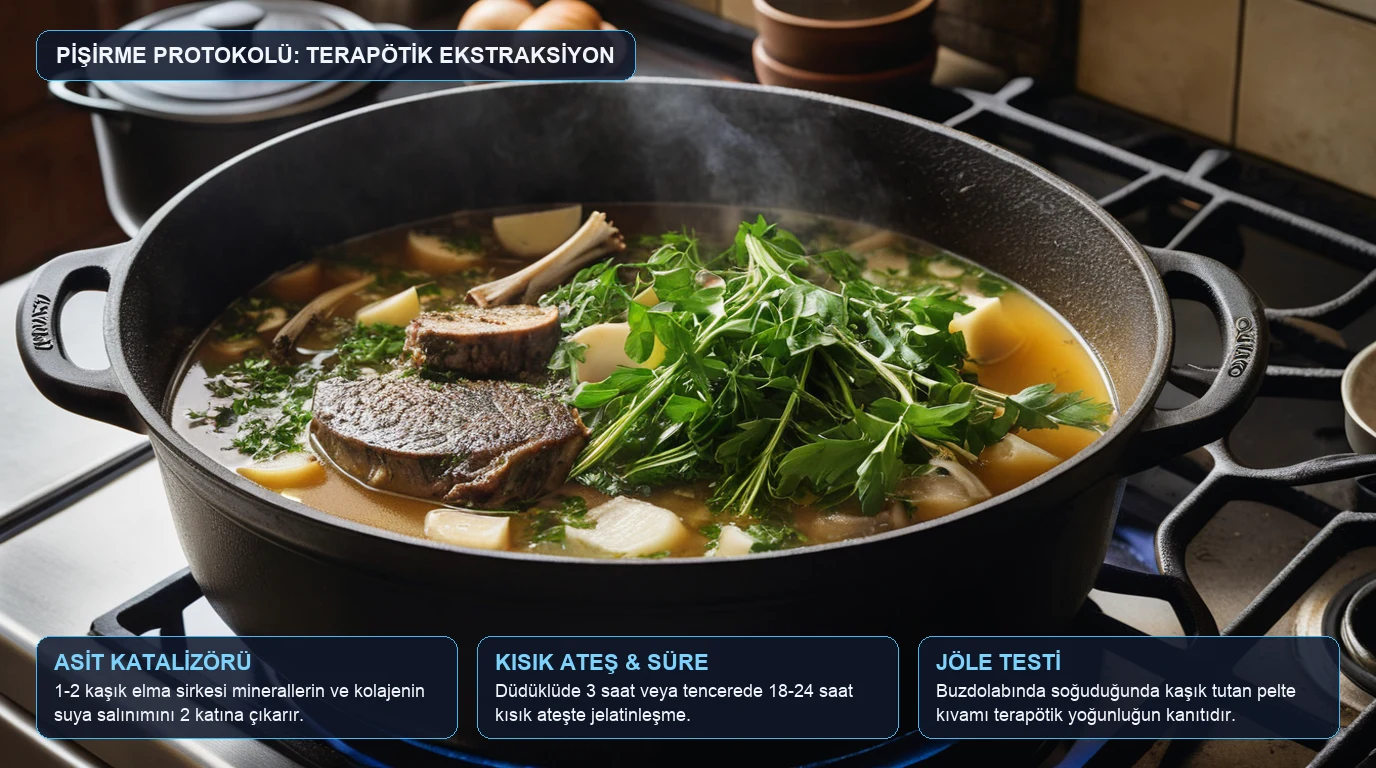
Therapeutic Bone Broth Brewing Protocol
The table below summarizes the key parameters for maximizing bioactive yield:
| Parameter | Dutch Oven / Slow Cooker | Pressure Cooker (Instant Pot) | Biological Significance |
|---|---|---|---|
| Bone Selection | Beef marrow bones + knuckle joints | Beef knuckles + organic chicken feet | Cartilage yields collagen; marrow yields essential minerals |
| Simmer Time | 18 – 24 hours | 2.5 – 3.5 hours | Required for full thermal denaturation of collagen into gelatin |
| Acid Catalyst | 2 tbsp apple cider vinegar | 1.5 tbsp apple cider vinegar | Enhances mineral extraction and peptide bioavailability |
| Temperature | 85°C – 92°C (Gentle simmer) | High Pressure mode | Extracts collagen without burning amino acid complexes |
| Target Texture | Solid jelly when refrigerated | Firm jelly when refrigerated | Visible proof of high glycine and gelatin concentration |
How Much Can We Trust This Evidence?
| Claim | Scientific Strength | Study Methodology | Key Findings |
|---|---|---|---|
| Glycine & proline restore tight junction integrity | High | In vitro, animal models, epithelial cultures | Marked upregulation of ZO-1 and Claudin-1 proteins [3, 4] |
| Bone broth attenuates systemic inflammatory cytokines | Moderate - High | Preclinical in vivo colitis models | Significant reductions in serum TNF-alpha and IL-6 levels [2] |
| Bone broth alone cures all autoimmune conditions | Weak / Unproven | Anecdotal reports & traditional claims | Lacks large-scale human RCTs; holistic lifestyle changes required |
| GALT tissue directs systemic immunity via the gut | Very High | Human clinical immunology & histology | >70% of mature immune cells are organized along gut mucosa [5] |
Frequently Asked Questions
Can I substitute bone broth with hydrolyzed collagen powder?
Yes. Hydrolyzed collagen peptides (Types I and III) are enzymatically broken down into smaller di- and tri-peptides, allowing rapid absorption and supplying the same essential amino acids (glycine, proline). However, traditional bone broth provides additional electrolytes, hyaluronic acid, and natural culinary gelatin.
Is bone broth safe for individuals with histamine intolerance?
Caution is advised. Long simmer times (12–24 hours) substantially elevate histamine levels. Those sensitive to biogenic amines often tolerate shorter pressure-cooked meat broths (90–120 minutes) or pure unflavored hydrolyzed collagen powders much better.
How much bone broth should I drink daily?
Clinical observations and ancestral nutrition protocols typically recommend 1 warm mug (approximately 200–250 ml) daily, consumed on an empty stomach in the morning or between meals to coat the mucosal lining.
Is beef bone broth superior to chicken bone broth?
Both provide distinct benefits. Beef marrow and knuckle bones offer higher mineral density and Type I collagen, while chicken cartilage and feet are exceptionally rich in Type II collagen and joint-protective glycosaminoglycans (chondroitin sulfate). Rotating both provides optimal results.
References
- Bischoff, S. C. et al. (2014). “Intestinal permeability – a new target for disease prevention and therapy.” BMC Gastroenterology, 14:189. DOI: 10.1186/s12876-014-0189-7. PMID: 25407511.
- Chen, Q. et al. (2020). “Bone broth ameliorates dextran sulfate sodium-induced colitis in mice by modulating gut microbiota and suppressing inflammatory cytokines.” Frontiers in Nutrition, 8:689487. DOI: 10.3389/fnut.2021.689487. PMID: 34336901.
- Liu, C. et al. (2022). “Collagen peptides promote intestinal epithelial barrier integrity and alleviate inflammatory bowel disease.” Food & Function, 13(15):8245-8258. DOI: 10.1039/D2FO01018G. PMID: 35876387.
- Mar-Heydolff, C. et al. (2016). “Glycine restores intestinal epithelial barrier integrity following ischemia-reperfusion injury.” Journal of Surgical Research, 201(1):210-217. DOI: 10.1016/j.jss.2015.10.041. PMID: 26850204.
- Mowat, A. M., & Agace, W. W. (2014). “Regional specialization within the intestinal immune system.” Nature Reviews Immunology, 14(10):667-685. DOI: 10.1038/nri3738. PMID: 25234148.
For informational purposes only; consult a physician for medical diagnosis or treatment.