- → From Ancient Ritual to Clinical Proof: Oil pulling, an Ayurvedic practice thousands of years old, is proven in modern dental trials to significantly lower plaque and gingivitis scores (Peedikayil et al., 2015; Shanbhag, 2016).
- → Antimicrobial Power of Lauric Acid: Virgin coconut oil consists of approximately 50 percent lauric acid (C12), a medium-chain fatty acid that disrupts the lipid cell membrane of Streptococcus mutans (Peedikayil et al., 2016).
- → Natural Saponification Mechanism: Swishing oil blends with salivary bicarbonate and enzymes, producing an emulsification (saponification) that mechanically detaches sticky bacterial biofilm from enamel (Naseem et al., 2017).
- → Stain-Free Natural Complement: It delivers antimicrobial efficacy comparable to medical chlorhexidine without causing brown tooth staining, altered taste sensation, or oral mucosa irritation (Ripari et al., 2023).
⚠️ Medical & Dental Disclaimer: This guide provides educational information based on peer-reviewed biomedical literature and does not substitute for professional dental diagnosis, examination, or treatment. Oil pulling is a complementary hygiene practice; it cannot replace toothbrushing, dental flossing, or regular checkups. Individuals with advanced periodontitis, dental abscesses, or dysphagia should consult their dentist before starting. Never swallow the swished oil, and do not allow unsupervised use by young children.
In Brief
- An ancient biohacking tradition: Known in traditional Ayurvedic and herbal literature as Kavala Graha, oil swishing has been practiced for millennia to draw out oral toxins and debris [1, 3].
- Microscopic shield via lauric acid: The lauric acid (C12) in virgin coconut oil penetrates and ruptures the lipid-rich cell membranes of Streptococcus mutans, the primary driver of tooth decay [2].
- Oral saponification reaction: As salivary bicarbonate mixes with the oil during vigorous swishing, a natural micro-emulsion forms that loosens and traps stubborn dental plaque [3, 4].
- A natural alternative to chlorhexidine: Clinical studies demonstrate that 30 days of consistent use offers plaque reduction comparable to standard chemical rinses, without staining teeth or altering taste buds [1, 6].
Sounds Familiar? Morning Dry Mouth and Stubborn Dental Plaque
Have you ever woken up with a coated tongue, an unpleasant bitter dryness in your mouth, and a sticky film over your teeth? No matter how thoroughly you brushed the night before, that rough bacterial plaque layer can settle back on enamel within hours, causing lingering discomfort.
In both traditional botanical medicine and modern biohacking circles, morning “oil pulling” on an empty stomach has surged in popularity. In October 2026, a discussion on the natural health channel Schoepferinsel highlighted virgin coconut oil as one of nature’s cleanest oral hygiene protocols, reigniting widespread interest.
Does swirling a spoonful of coconut oil in your mouth for 10 to 15 minutes actually deliver measurable benefits, or is it merely an aesthetic wellness trend? In this guide, we break down the biochemical mechanisms, examine the peer-reviewed clinical data, and lay out an actionable, safe home protocol.
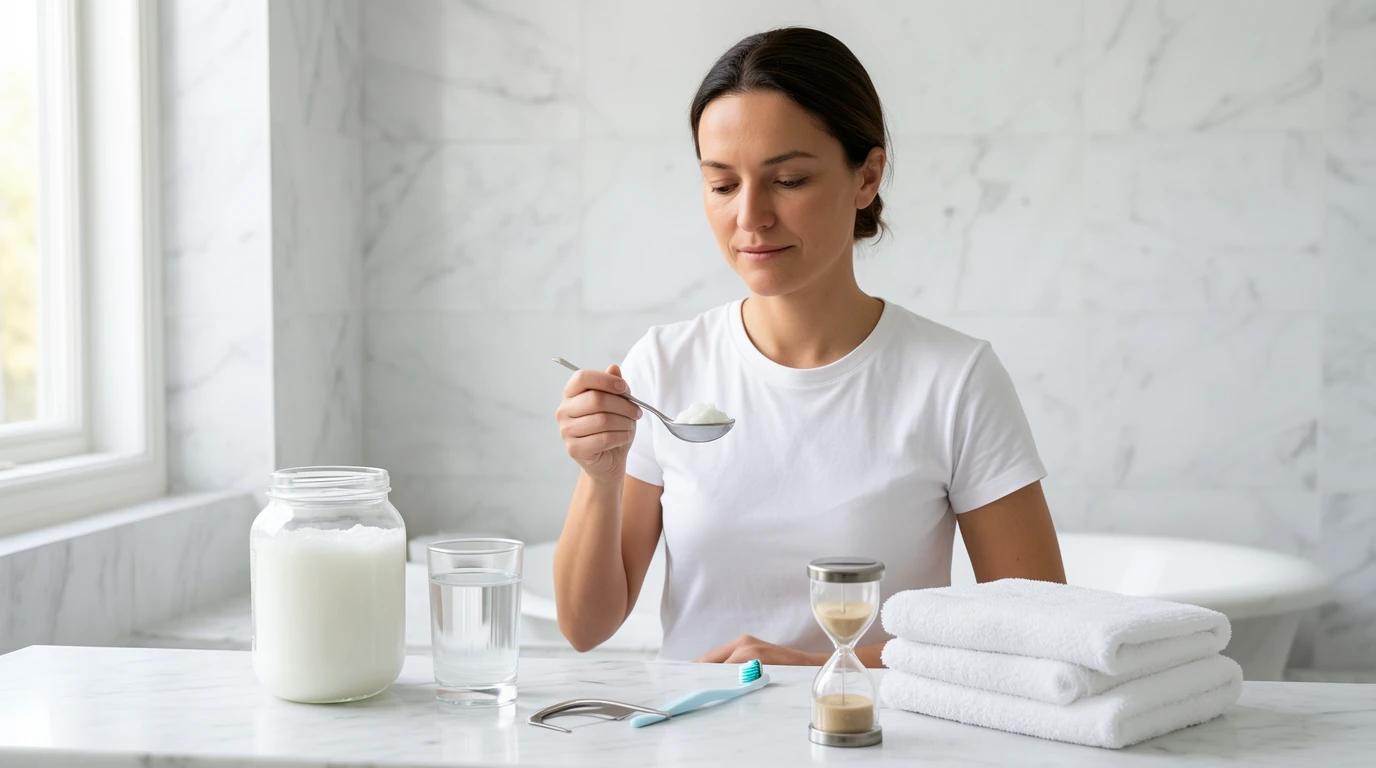
1. Why Did Swishing Oil for 10 Minutes Become So Popular?
The human oral cavity hosts a complex microbiome of more than 700 distinct microbial species. While most of these microorganisms protect oral tissue, certain pathogenic strains ferment dietary sugars into acids that erode tooth enamel and trigger gingival inflammation [1, 4].
Traditional Ayurvedic texts documented Kavala Graha (oil swishing) and Gandusha (holding oil in the mouth) thousands of years ago to cleanse the mouth of microbial residues [3]. Historically conducted with sesame or sunflower oil, the practice has largely shifted toward virgin coconut oil due to its superior biochemical profile and pleasant flavor.
Coconut oil stands out because its medium-chain fatty acid matrix is solid at room temperature yet liquefies within seconds at physiological body temperature (36.5°C) [2, 5]. Its subtle aroma and silky texture make a 10-minute morning routine far more palatable than bitter, heavy seed oils.
2. How Does Lauric Acid Destroy Oral Pathogens?
Approximately 45 to 50 percent of virgin coconut oil consists of lauric acid, a 12-carbon saturated medium-chain fatty acid (MCFA) [2, 7]. Outside of human breast milk, cold-pressed coconut oil is nature’s richest dietary source of this bioactive lipid.
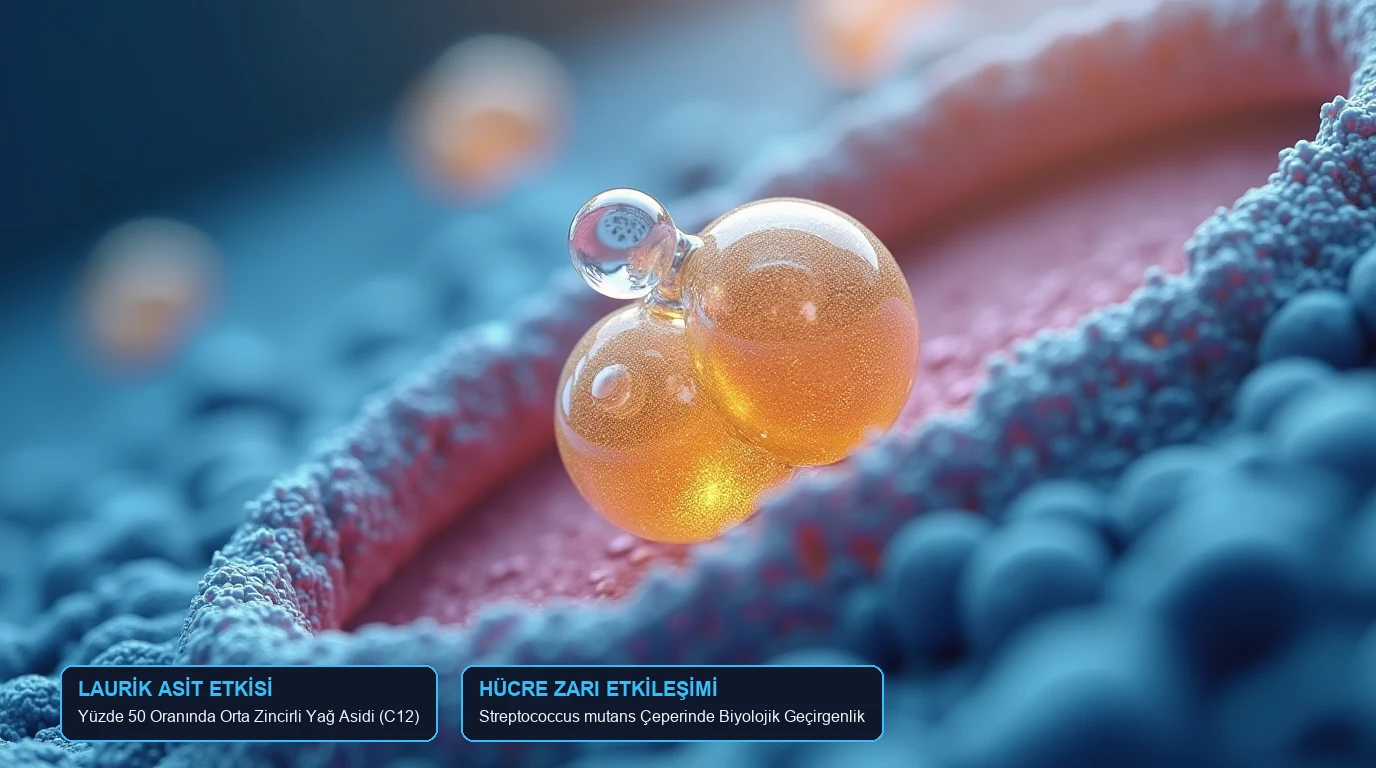
Lauric acid and its metabolic derivative monolaurin specifically target pathogens shielded by lipid-coated cell walls [7]. Streptococcus mutans, the primary instigator of dental cavities, alongside pathogenic periodontal anaerobes, depends on a protective bilayer lipid envelope.
When exposed to lauric acid, these bacterial lipid membranes absorb the fatty acid molecules, increasing membrane permeability. Cellular contents leak out, osmotic equilibrium collapses, and bacterial lysis occurs rapidly [2, 7]. Importantly, in vitro research confirms similar destructive efficacy against oral fungal strains such as Candida albicans [7].
3. The Saponification Effect: How Oil Dissolves Dental Plaque
Many assume that oil pulling works purely through chemical disinfection; however, the principal cleansing mechanism is a physical and biochemical transformation called saponification [3, 4]. Dental plaque is a hydrophobic, sticky biofilm engineered by bacteria to resist water-based rinsing.
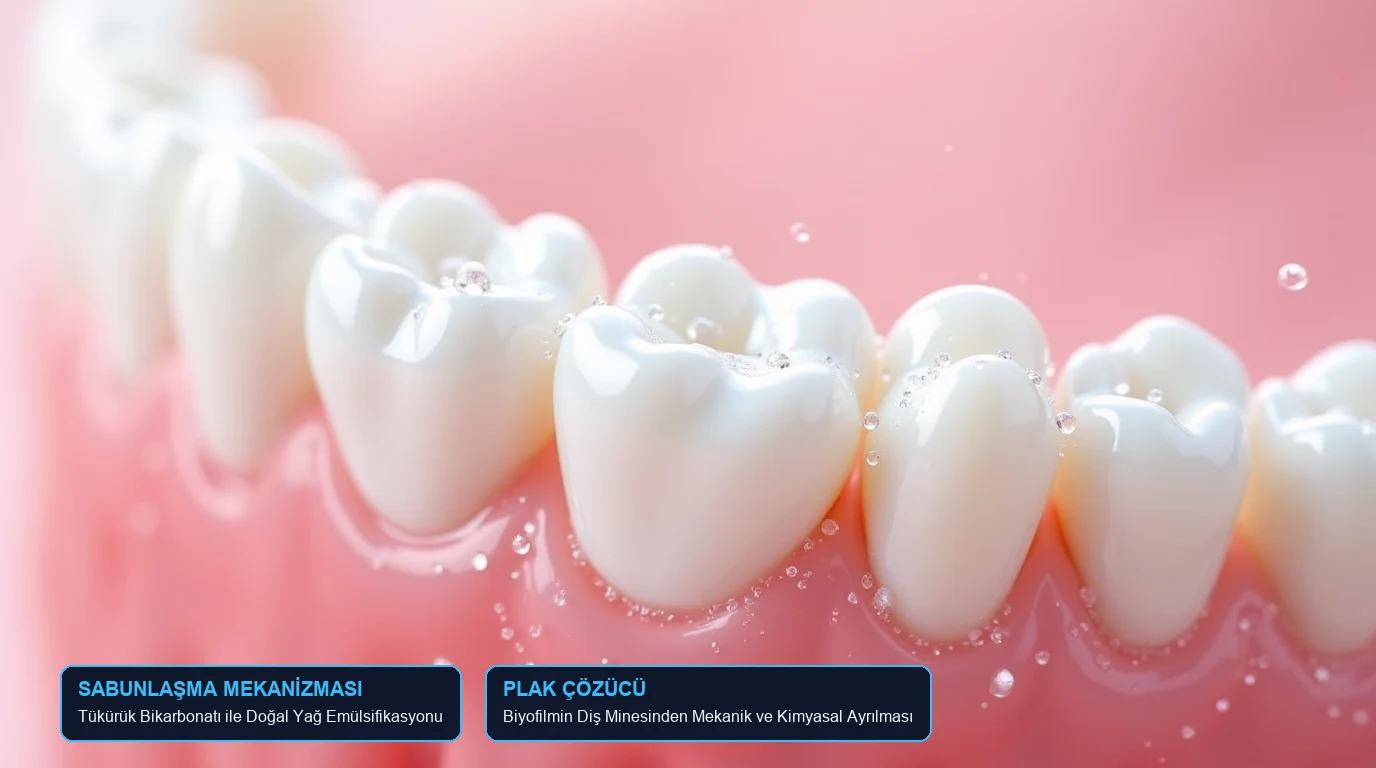
Toothbrush bristles struggle to reach tight interdental fissures and subgingival crevices. Free-flowing liquid oil, however, effortlessly penetrates narrow contacts and gum margins.
As the oil is pushed and pulled between teeth for 10 to 15 minutes, it mixes with naturally alkaline salivary bicarbonate and lingual lipases. This reaction causes partial saponification, converting the oil into a milky-white micro-emulsion [3, 4]. Acting like a natural soap, this emulsion emulsifies hydrophobic plaque, shearing stubborn biofilm away from the enamel surface and holding it in suspension.
4. Coconut Oil vs. Chlorhexidine: Natural Oil or Chemical Rinse?
In conventional dentistry, chlorhexidine gluconate (0.2% CHX) is widely regarded as the clinical benchmark for acute plaque control and gingival inflammation. While potent, extended chlorhexidine therapy entails well-documented drawbacks [1, 6].
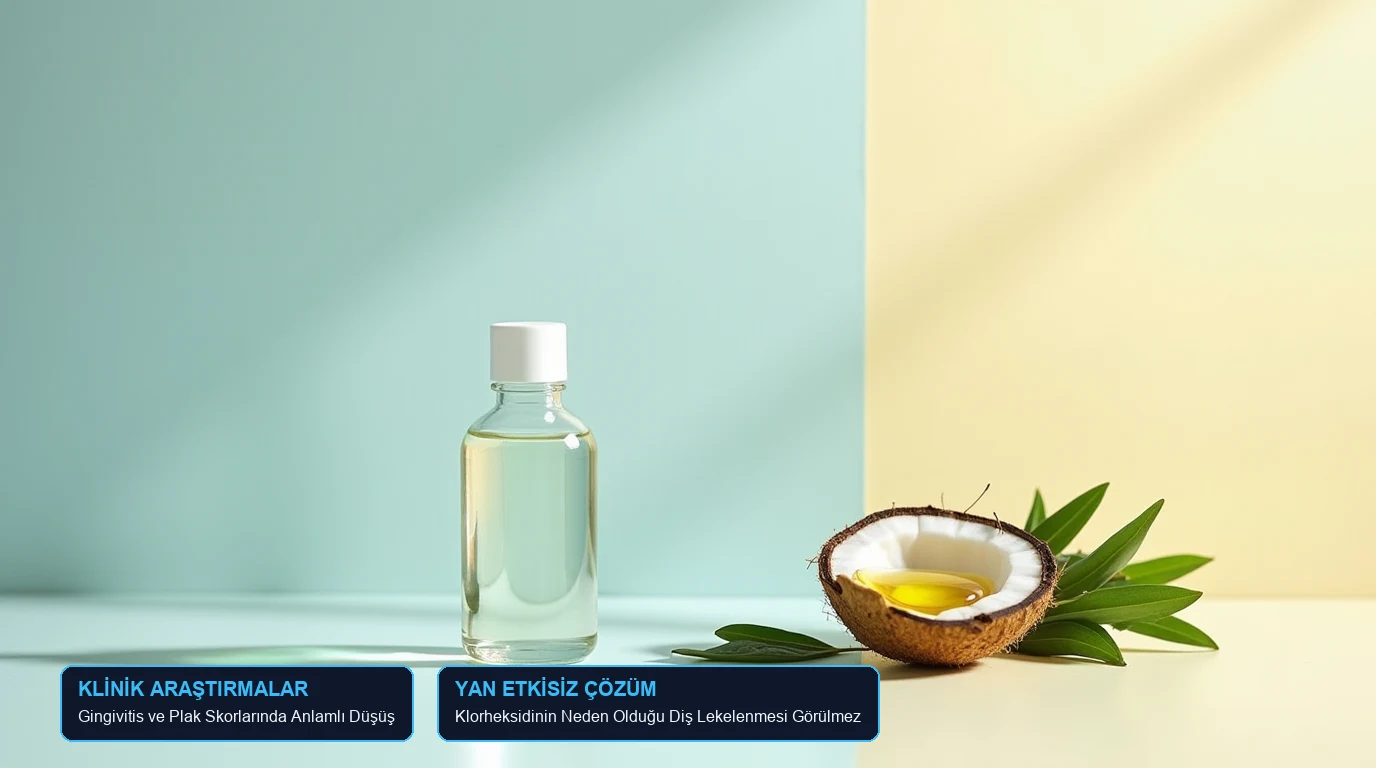
When used for more than two consecutive weeks, synthetic chlorhexidine frequently causes unsightly brown tooth staining, mucosal irritation, and a temporary blunting of taste buds [6]. Virgin coconut oil, conversely, exhibits high physiological biocompatibility.
In a randomized clinical trial conducted by Peedikayil and colleagues across 60 subjects, daily morning coconut oil pulling was evaluated over 30 days [1, 2]. By day 7, participants demonstrated statistically significant reductions in both plaque index and gingival bleeding scores, reaching a nearly 50 percent drop by day 30—rivaling the efficacy of chlorhexidine [1].
| Feature Comparison | Virgin Coconut Oil (Oil Pulling) | Standard Chlorhexidine Rinse (0.2%) |
|---|---|---|
| Primary Mechanism | Lauric acid membrane lysis + saponification emulsion [2, 3] | Broad-spectrum chemical membrane disruption [6] |
| Plaque & Gingivitis Drop | 40% to 50% reduction in clinical trials [1] | 50% to 60% reduction in clinical trials [1, 6] |
| Enamel Staining Risk | Zero; helps dissolve extrinsic surface stains [3] | High; brown discoloration after 14 days [6] |
| Impact on Taste Buds | Neutral; does not desensitize gustatory papillae [6] | Frequent metallic aftertaste and dysgeusia [6] |
| Microbial Selectivity | Gentle mechanical clearing; preserves beneficial flora [5] | Non-selective sterilization; wipes out commensal flora [6] |
| Long-Term Daily Use | Highly suitable for ongoing morning wellness routines [4] | Typically restricted to 7 to 14 consecutive days [6] |
5. Can Oil Pulling Eradicate Chronic Bad Breath (Halitosis)?
Morning breath and persistent halitosis originate primarily from anaerobic bacteria multiplying during the night when salivary flow naturally wanes [4, 5]. These microbes congregate within the deep crypts of the posterior tongue, degrading sulfur-rich amino acids into volatile sulfur compounds (VSCs) such as hydrogen sulfide and methyl mercaptan.
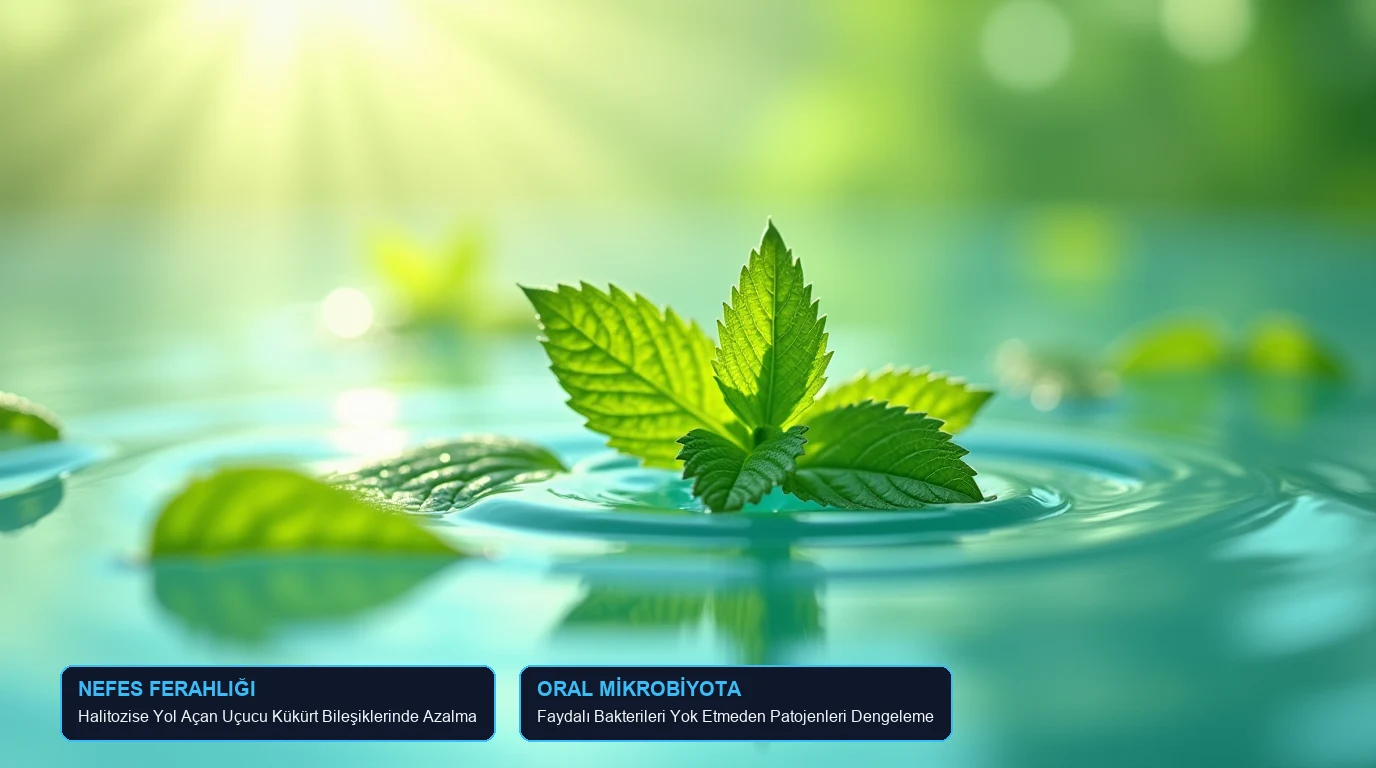
Scraping the back of the tongue with a standard toothbrush often triggers a gag reflex, leaving posterior microbial reservoirs untouched. During oil swishing, the thin fluid permeates deep between lingual papillae, capturing lipid-soluble debris and odor-producing microbes [4].
Gas chromatography measurements confirm that a 2-week oil pulling protocol reduces oral volatile sulfur compound concentrations as effectively as commercial antiseptic mouthwashes [4, 5]. Rather than temporarily masking odor with artificial mint flavoring, it physically clears the underlying biological sources of halitosis.
6. Step-by-Step: The Authoritative Morning Oil Pulling Protocol
To reap the full physiological benefits of oil pulling, adherence to correct timing, duration, and mechanical technique is essential [3, 4]. A brief 2-minute rinse is insufficient to initiate saponification and emulsify bacterial plaque.
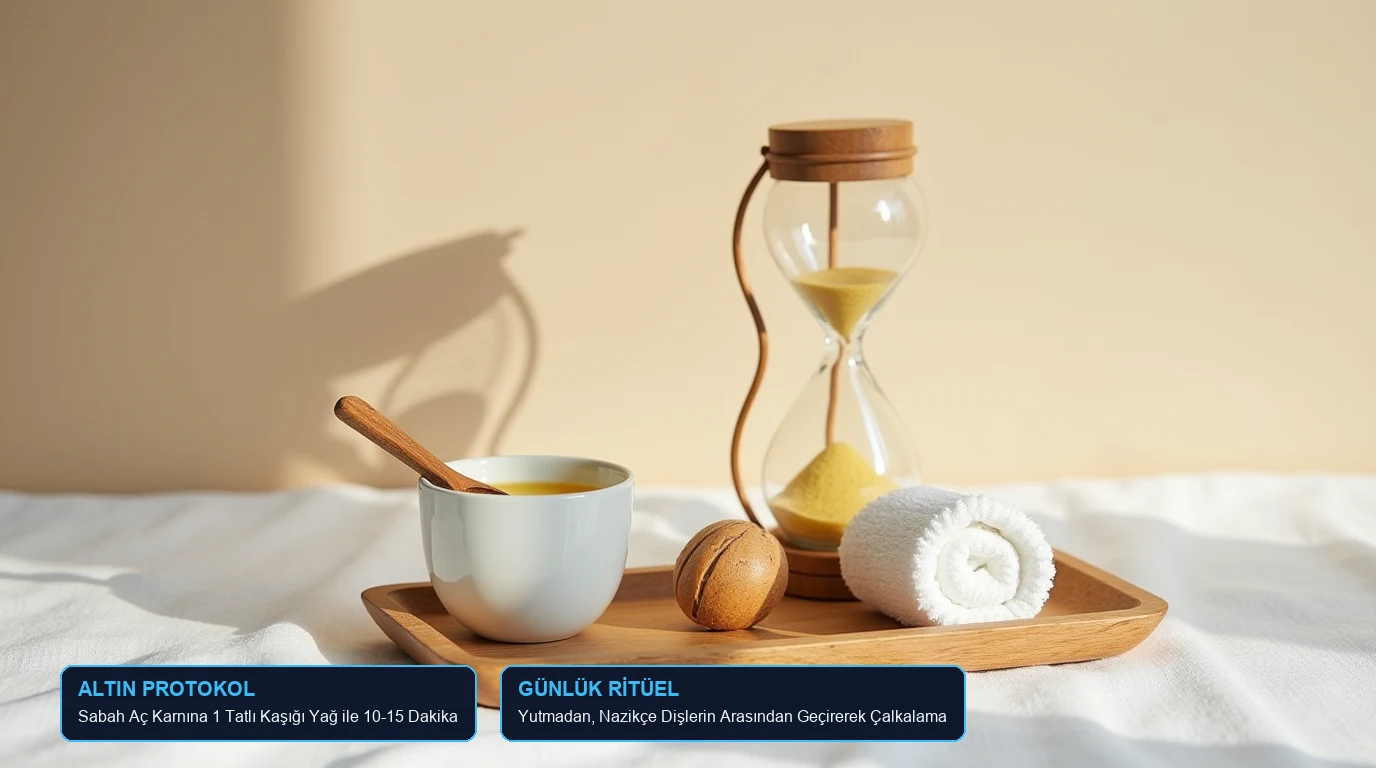
| Step | Protocol Phase | Execution Details and Best Practices |
|---|---|---|
| Step 1: Timing | Upon waking, empty stomach | Perform before drinking water or brushing your teeth [3]. |
| Step 2: Dosage | 1 tablespoon (5 to 10 ml) | Place cold-pressed virgin organic coconut oil into your mouth; it liquefies immediately. |
| Step 3: Swishing | 10 to 15 minutes | Gently push, pull, and draw the oil through teeth without aggressive muscle straining [4]. |
| Step 4: Expelling | Trash bin only | Never spit into the sink; dispose of the opaque, milky emulsion into a trash can or compost. |
| Step 5: Rinsing | Warm water & salt | Thoroughly rinse your mouth with warm water (an optional pinch of sea salt enhances cleansing). |
| Step 6: Brushing | Standard oral hygiene | Proceed with your normal toothbrushing and flossing routine to complete oral care. |
Beginners may experience mild masseter muscle fatigue during an uninterrupted 15-minute session. Starting with 5 minutes per morning and incrementally working up to 10 and 15 minutes ensures comfortable muscular adaptation [3].
7. Critical Safety Mistakes to Avoid
Like any natural health protocol, misunderstandings regarding oil pulling can lead to counterproductive outcomes or plumbing hazards. Keep these three core safety tenets in mind [3, 4]:

- Never swallow the oil: After 15 minutes of vigorous swishing, the oil suspension is saturated with detached bacteria, cellular endotoxins, and food residues. Ingesting this fluid reintroduces concentrated oral waste back into your digestive tract [3].
- Keep it out of the sink: Virgin coconut oil hardens into a dense solid below 24 degrees Celsius. Spitting it into your sink drain each morning causes oil to solidify inside cool plumbing traps, resulting in costly pipe blockages. Always discard it into a trash bin.
- Do not abandon your toothbrush: Oil pulling is not a standalone substitute for mechanical flossing or brushing. It cannot physically remove calcified dental calculus (tartar) or dislodge tightly wedged interdental debris; pair it consistently with fluoride or hydroxyapatite toothpaste [1, 4].
Frequently Asked Questions
Does coconut oil pulling whiten teeth?
Oil pulling does not bleach natural tooth dentin or alter intrinsic enamel genetics. However, because it acts as an emulsifying solvent for extrinsic hydrophobic stains (from coffee, tea, and tobacco), it leaves teeth noticeably brighter and cleaner [3].
Which type of coconut oil should I purchase?
Avoid deodorized, hydrogenated, or industrial refined cooking oils. Choose unrefined, cold-pressed, organic virgin coconut oil to ensure maximum retention of native lauric acid, polyphenols, and bioactive antioxidants.
Is oil pulling safe for children and pregnant women?
The practice is completely safe for adults and pregnant women. However, because young children lack fully developed swallowing reflexes and run the risk of aspirating oil into respiratory pathways (lipoid pneumonia), it is not recommended for pediatric use until gargling can be reliably performed [4].
References
- Peedikayil FC, Sreenivasan P, Narayanan A. Effect of coconut oil in plaque related gingivitis — A preliminary report. Niger Med J. 2015;56(2):143-147. PMID: 25838632 · PMCID: PMC4382606 · PubMed · DOI: 10.4103/0300-1652.153406
- Peedikayil FC, Remy V, John S, Chandru TP, Sreenivasan P, Bijapur GA. Comparison of antibacterial efficacy of coconut oil and chlorhexidine on Streptococcus mutans: An in vivo study. J Int Soc Prev Community Dent. 2016;6(5):447-452. PMID: 27891469 · PMCID: PMC5109859 · PubMed · DOI: 10.4103/2231-0762.192934
- Shanbhag VKL. Oil pulling for maintaining oral hygiene - A review. J Tradit Complement Med. 2016;7(1):106-109. PMID: 28417094 · PMCID: PMC5198813 · PubMed · DOI: 10.1016/j.jtcme.2016.05.004
- Naseem M, Khiyani MF, Nauman H, Zafar MS, Al-Wafi AH, Rehman AH. Oil pulling: natural technique to cleanse and detox the mouth: a review. Br Dent J. 2017;223(1):27-30. PMID: 28706086 · PubMed · DOI: 10.1038/sj.bdj.2017.589
- Woolley J, Gibbons T, Patel K, Sacco R. The effect of oil pulling with coconut oil on dental hygiene and salivary flora: A randomized controlled trial. Heliyon. 2020;6(8):e04789. PMID: 32904394 · PMCID: PMC7456860 · PubMed · DOI: 10.1016/j.heliyon.2020.e04789
- Ripari N, Cera A, Freda M, et al. The role of coconut oil in oral health: an alternative to synthetic mouthwashes - A systematic review. Med Oral Patol Oral Cir Bucal. 2023;28(4):e387-e394. PMID: 37243452 · PubMed · DOI: 10.4317/medoral.25902
- Ogbolu DO, Oni AA, Daini OA, Oloko AP. In vitro antimicrobial properties of coconut oil on Candida species in Ibadan, Nigeria. J Med Food. 2007;10(2):384-387. PMID: 17651080 · PubMed · DOI: 10.1089/jmf.2006.1209
For informational purposes only; consult a physician for medical diagnosis or treatment.