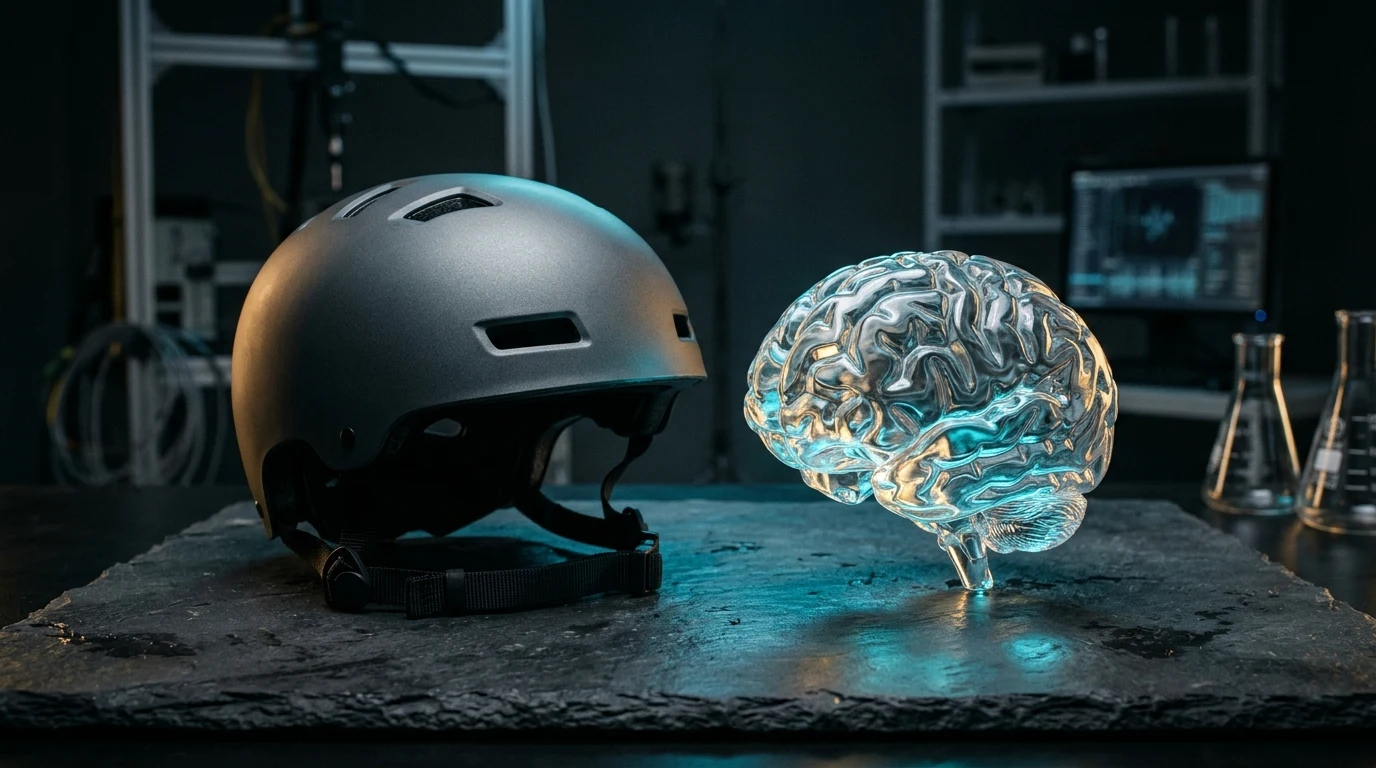
- → Rotational Acceleration Is More Damaging Than Linear Impact: Brain tissue is virtually incompressible like water but deforms easily under shear strain like gelatin; rotational head motion shears deep brain tissue (Holbourn, 1943).
- → Lateral Shearing Stretches Axonal Pathways: Coronal and lateral angular head motion pulls and damages long axonal tracts connecting cortical regions (Gennarelli et al., 1982).
- → Concussion Initiates a 7- to 10-Day Bioenergetic Crisis: Impact disrupts membrane electrolyte gradients, causing massive cellular ATP depletion while cerebral blood flow drops, creating a severe metabolic mismatch (Giza & Hovda, 2014).
- → Prolonged Dark-Room Confinement Is Obsolete: Following 24 to 48 hours of initial rest, symptom-limited sub-maximal physical activity such as light walking accelerates functional recovery (Patricios et al., 2023).
⚠️ Emergency Medical Notice: This guide is an educational synthesis based on peer-reviewed biomedical research; it does not replace urgent clinical evaluation by an emergency physician or neurologist. Seek immediate emergency medical care (Call 911 / 112) if any of the following “red flag” symptoms occur after a head strike or fall: loss of consciousness (even momentary), escalating headache, repeated vomiting, seizures, pupillary asymmetry, slurred speech, limb weakness/numbness, or clear fluid/blood leaking from the ears or nose.
Quick Summary
- In 80% to 90% of concussions, there is no loss of consciousness; symptoms often present simply as mental fogginess and transient disorientation [3, 4].
- What injures neural tissue most is not direct linear pressure, but rapid rotational and angular acceleration of the head [1, 2].
- Even when a head CT scan is completely normal, neurons experience a 7- to 10-day bioenergetic crisis [3].
- After 24–48 hours of relative cognitive rest, commencing light symptom-free walking speeds recovery compared to days of isolation in a dark room [4].
Does This Sound Familiar?
You went up for a header in weekend football, slipped on an icy sidewalk, took a minor tumble from your bicycle, or bumped your head against a low metal scaffold at a workshop. You never lost consciousness, stood up, and brushed it off.
To be cautious, you visited the emergency department. A head CT scan was performed, and the physician reassured you: “No skull fracture, no intracranial hemorrhage—the scan is clean.” Yet back at home, a dull headache throbs, phone screens hurt your eyes, and your head feels enveloped in a thick fog.
If the scan was normal, why do you feel incapacitated for days? In this clinical guide, we explain what happens to neural tissue during impact, why brain cells enter a metabolic crisis, and how to recover systematically based on modern consensus.
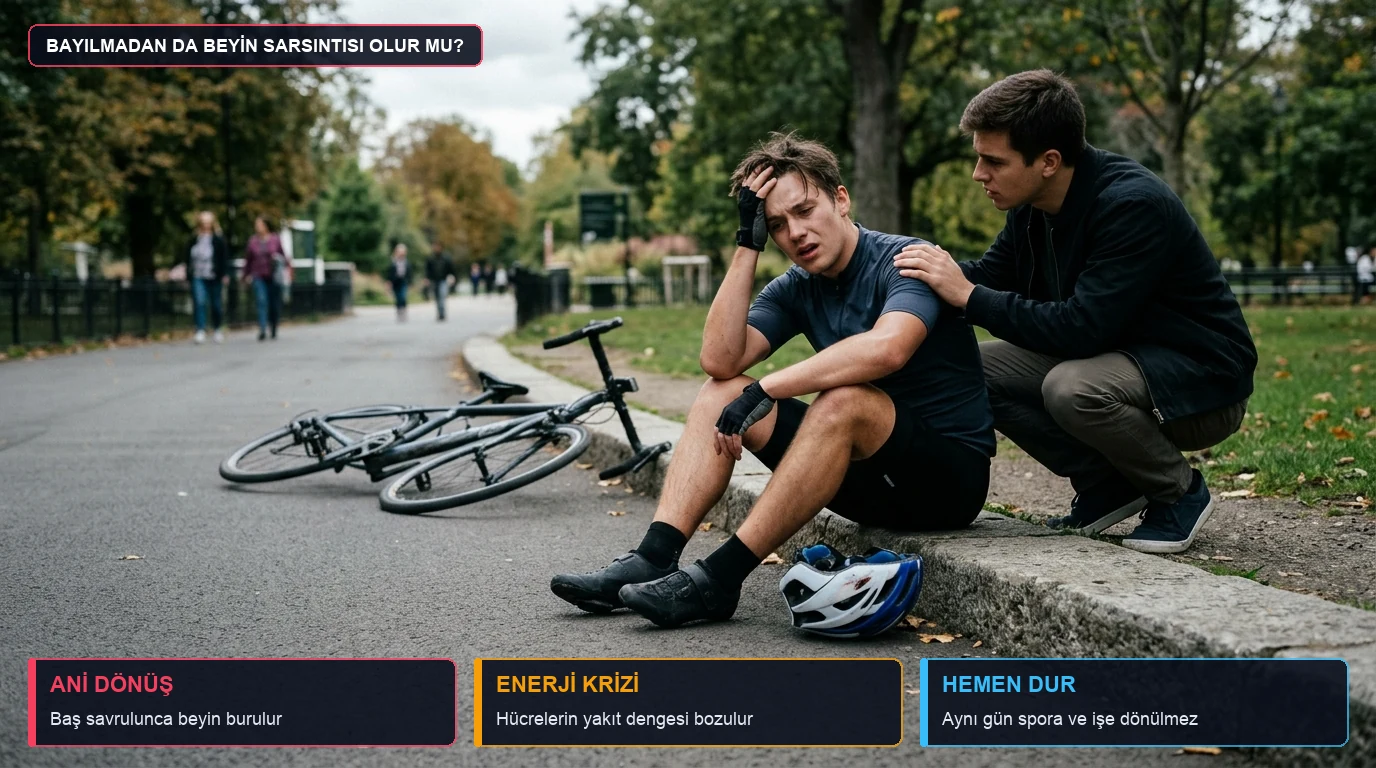
1. Why Does the Brain Twist Like Gelatin Inside the Skull?
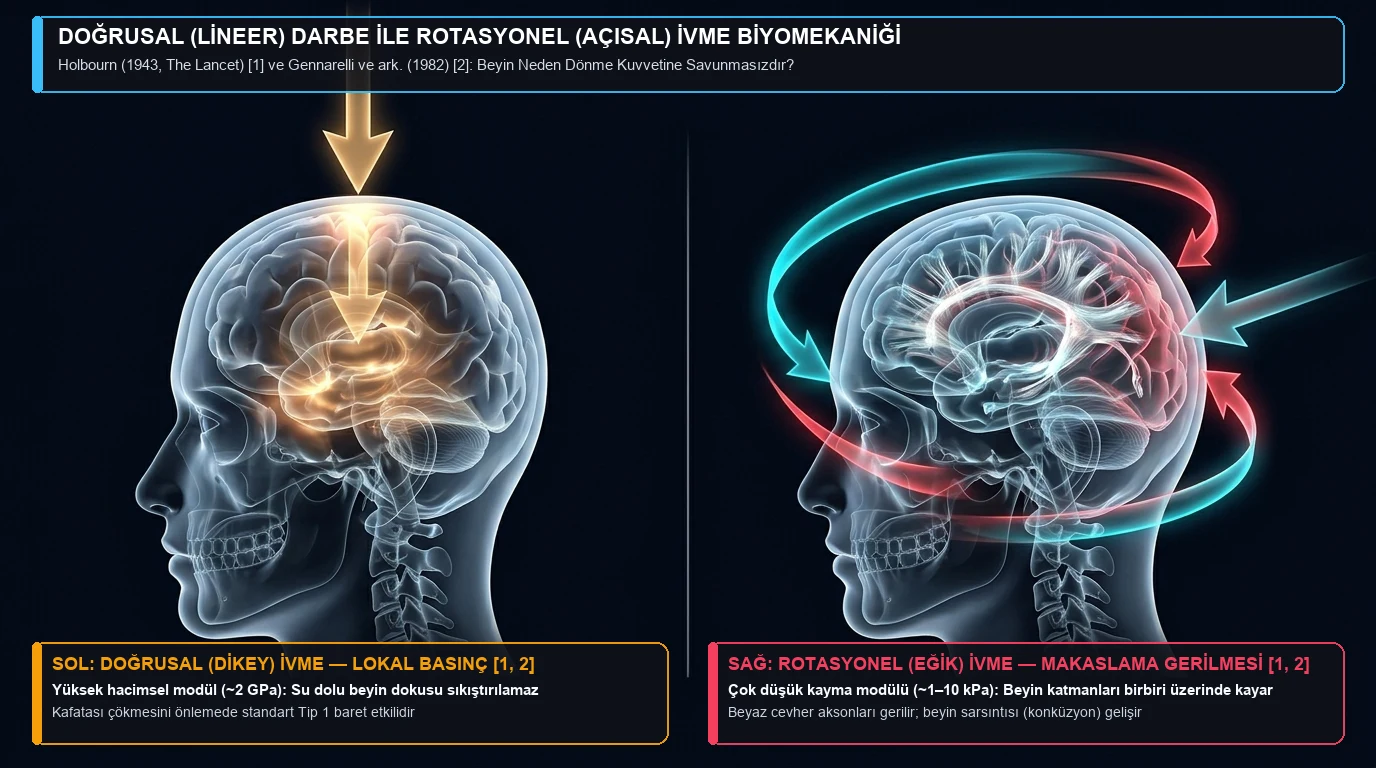
For decades, industrial safety helmets were engineered against a single primary threat: preventing a falling brick from piercing the skull crown. Yet as early as 1943, Oxford physicist A. H. S. Holbourn demonstrated that the physical properties of brain tissue are entirely distinct from rigid bone [1].
The Gelatin Bowl Analogy
Think of brain tissue as soft gelatin resting inside a rigid bowl filled with water:
- Virtually Incompressible: Water and brain tissue resist compression; pushing on gelatin does not diminish its physical volume. Unless the skull fractures, pure linear compression cannot easily crush deep brain cells [1].
- Vulnerable to Shear: Brain tissue’s resistance to shear and torsional deformation is approximately one million times lower than its resistance to compression [1].
- What Happens When the Head Rotates? Push a bowl in a straight line, and the gelatin moves with it. But snap the bowl in a sudden angular rotation, and the gelatin swirls and twists against itself. When an oblique blow forces the head into rapid angular acceleration (rotational acceleration), deep brain parenchyma undergoes severe internal shearing [1, 2].
Dynamic Axonal Shearing
Research by Thomas Gennarelli and Douglas Smith elucidated the microstructural consequences of angular trauma [2]:
- When the head accelerates rapidly in the lateral plane (shoulder-to-shoulder), adjacent tissue layers slide across one another [2].
- This shearing force abruptly stretches the long neural transmission cables (axons) that bridge cerebral hemispheres and deep nuclei [2].
- When stretched slowly, axonal microtubules flex elastically. But stretched dynamically over a millisecond timescale, their internal viscoelastic cytoskeletons undergo brittle failure [2]. Standard CT scans detect skull fractures and macroscopic hematomas, but cannot visualize microscopic axonal stretch injury [2, 3].
2. Why Does the Brain Suffer a 7- to 10-Day Energy Crisis Despite a Clean CT?
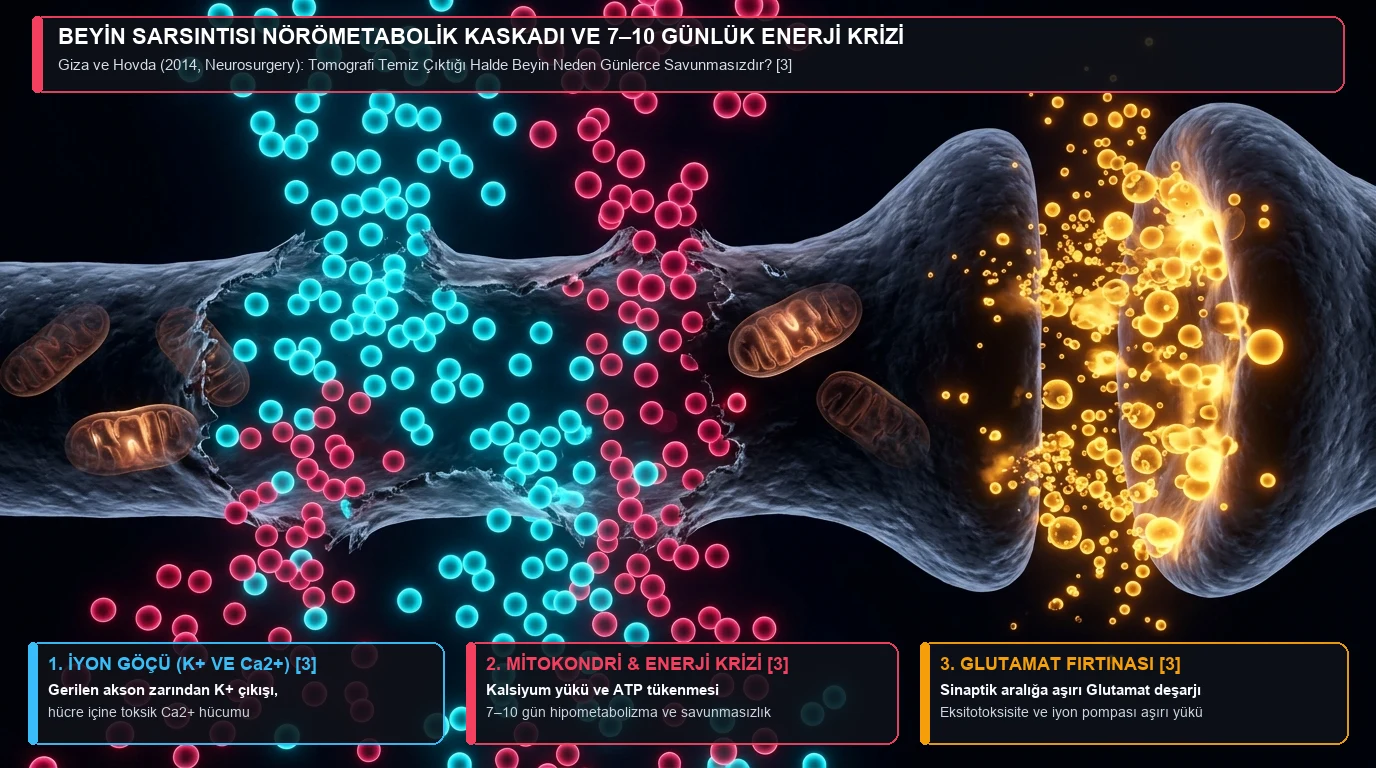
Christopher Giza and David Hovda at UCLA mapped the neurometabolic cascade of concussion, revealing the cellular storm triggered by mechanical strain [3].
The Short-Circuited Biological Battery
Mechanical deformation creates transient micro-pores in neuronal membranes, initiating a profound metabolic crisis [3]:
- Massive Ionic Deregulation (First Minutes): Intracellular potassium rushes out into the extracellular space, while calcium and sodium flood the cell interior [3].
- Indiscriminate Excitotoxicity: Dysregulated neurons release massive waves of glutamate, triggering widespread depolarizing spikes across cortical networks [3].
- Acute Energy Depletion (First Hours): Membrane ion pumps (Na+/K+-ATPase) run at maximum capacity to restore ionic gradients, burning through intracellular ATP. The brain shifts into accelerated glycolysis, yet paradoxically, cerebral blood flow drops significantly [3]. This generates an acute supply-and-demand mismatch: peak energy requirement alongside reduced substrate delivery.
- The 7- to 10-Day Bioenergetic Deficit: Mitochondrial calcium overload impairs oxidative respiration. Cortical tissue remains trapped in a state of low-energy vulnerability for approximately 7 to 10 days [3].
| Post-Concussion Phase | Cellular Pathophysiology | Clinical Symptoms |
|---|---|---|
| First Minutes | Axonal stretching, ionic leakage, glutamate release [3]. | Daze, dizziness, balance instability, blurred vision. |
| First Hours | Maximal ATP expenditure, lactic acidosis, reduced blood flow [3]. | Worsening headache, nausea, acute fatigue. |
| Days 1 to 10 | Mitochondrial depression, bioenergetic mismatch [3]. | Brain fog, photophobia, phonophobia, executive dysfunction. |
⚠️ The Second-Impact Catastrophe: If an individual sustains a second concussive blow while neurons are still trapped in this 7- to 10-day bioenergetic depression, vulnerable cells lose the capacity to autoregulate, risking catastrophic cerebral edema or permanent cognitive impairment [3, 4].
3. Why Prolonged “Dark Room” Confinement Is No Longer Recommended
Historically, concussion guidelines advised strict bed rest in complete darkness until all symptoms vanished. However, rigorous clinical trials have shown that protracted sensory deprivation delays recovery, disrupts circadian rhythmicity, and induces secondary depressive anxiety [4].
The 2023 Amsterdam Consensus: Brief Rest Followed by Active Recovery
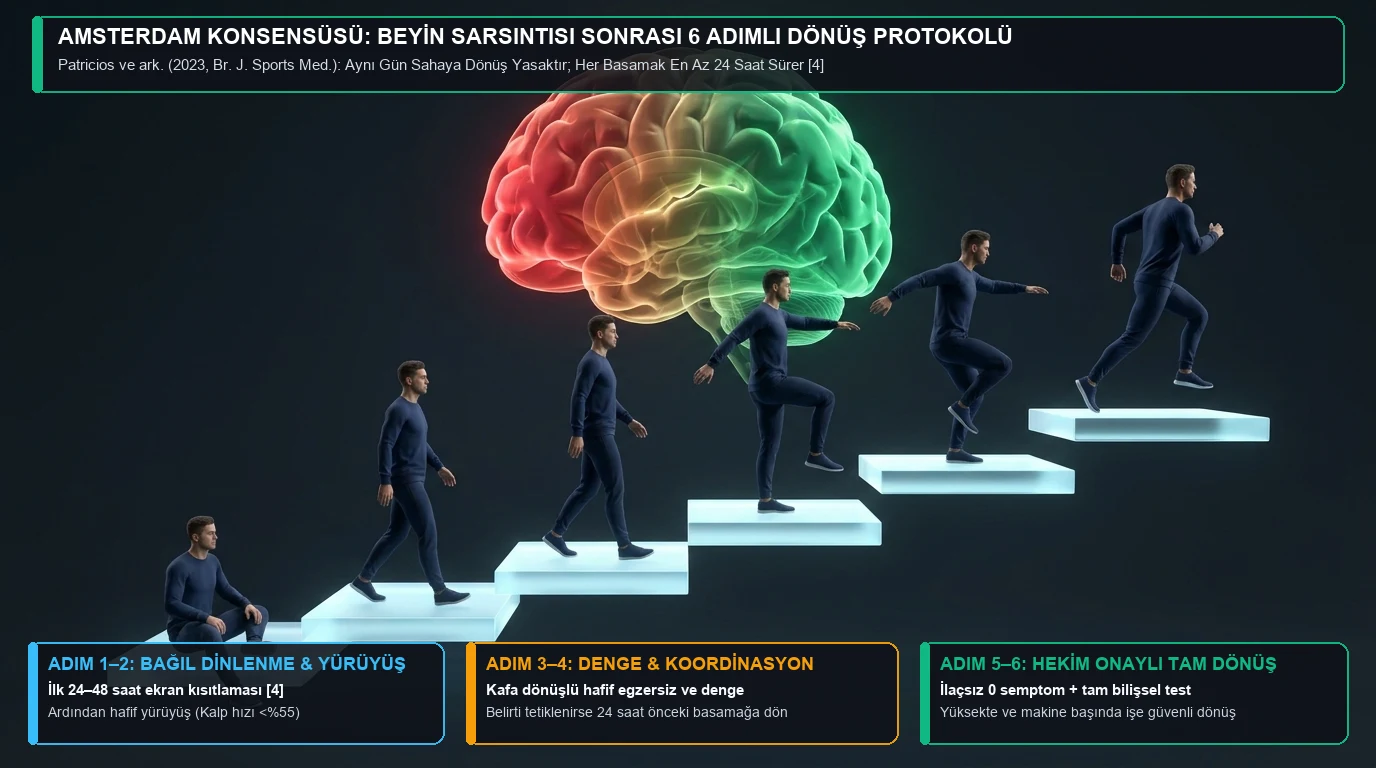
The 6th International Consensus on Concussion in Sport (Amsterdam 2022 / Published 2023), led by Jon Patricios and international specialists, modernized recovery protocols [4]:
- Immediate Removal: Anyone suspected of a concussion must not return to sports, manual labor, or hazardous machinery on the same day [4].
- Relative Rest (First 24–48 Hours): Total dark-room isolation is unnecessary; manage light daily activities while strictly minimizing smartphone, television, and computer screens [4].
- Early Sub-Symptom Aerobic Exercise: After 48 hours, short, gentle walks that do not exacerbate baseline symptoms promote healthy cerebral vascular recovery [4].
- Stepwise Return Protocol: Progression back to school, work, and sports occurs across 6 distinct phases, requiring at least 24 hours per milestone [4].

4. What Defines Effective Headgear Ergonomics?
Even the most technologically advanced helmet or hard hat protects only if it stays securely fastened to your head during impact. Workplace ergonomic surveys reveal that the primary reason workers take off hard hats is thermal distress: excessive sweat, heat trapping, and weight.
The Cranial Microclimate
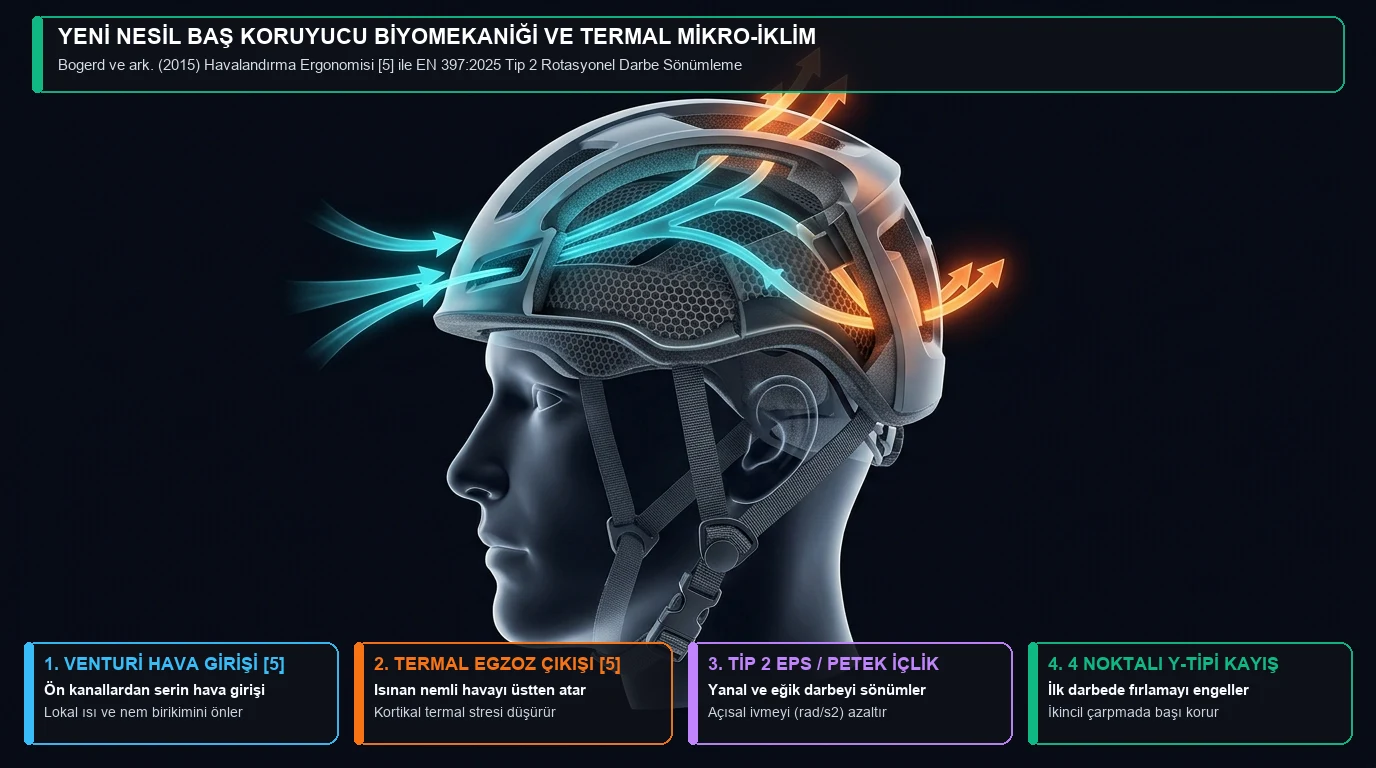
Research by Cornelis Bogerd and colleagues in Switzerland demonstrated that wearing headgear creates a warm, humid microclimate trapped between the scalp and outer shell [5].
The human head and face exhibit exceptional thermal sensitivity compared to the rest of the body [5]. A temperature rise of just 2–3°C beneath a helmet triggers intense subjective discomfort, driving individuals to remove their protective equipment [5].
When a worker falls from an elevated platform or bicycle, the head undergoes severe angular velocity upon striking the ground. Therefore, helmets featuring lateral rotational impact dampening (Type II / Mips-like mechanisms) and secure 4-point chin straps are essential to life safety.
4 Essential Rules for Concussion Protection & Recovery
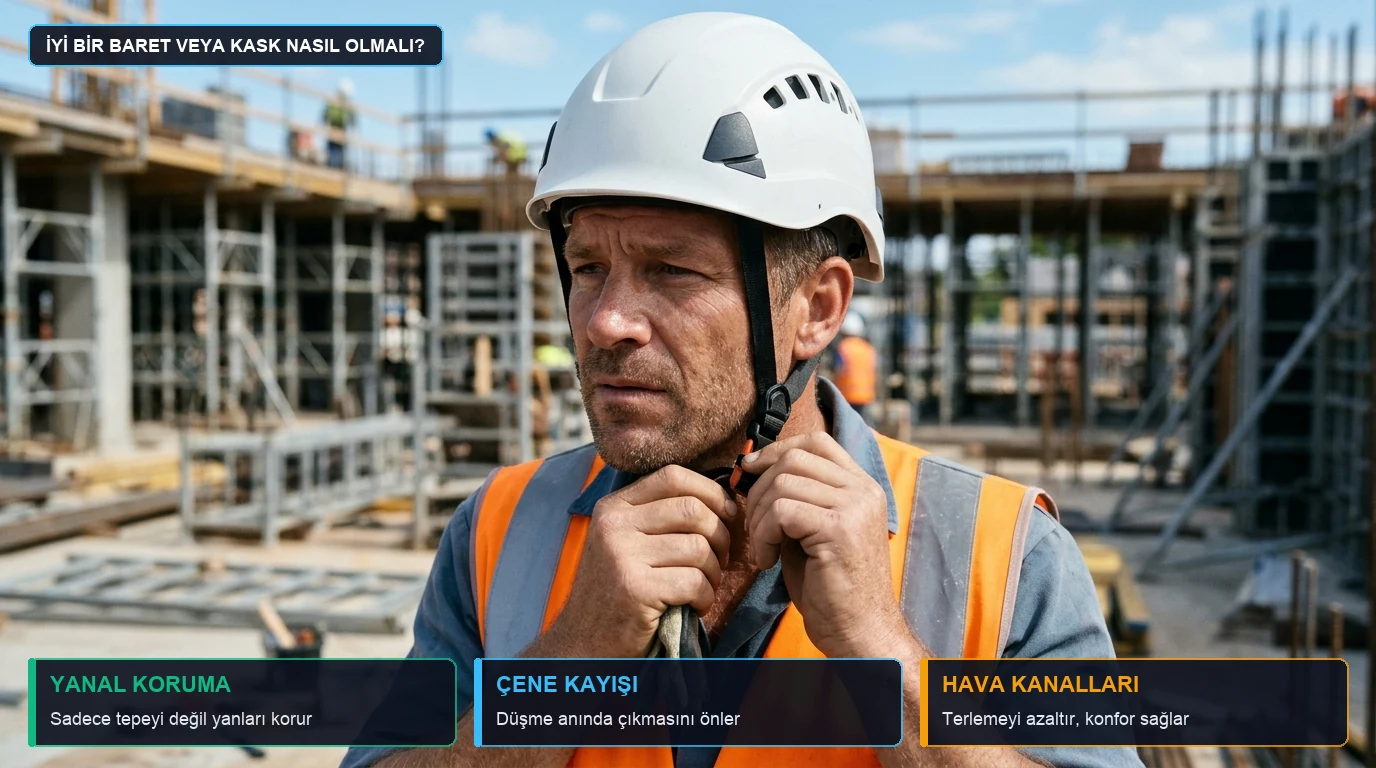
- 1. Fasten Your Chin Strap Every Single Time: An unclipped helmet flies off during the initial tumble, leaving the skull unprotected at the moment of primary impact.
- 2. Select Headgear with Multi-Directional & Rotational Protection: Choose Type II industrial helmets or cycling helmets equipped with slip-plane liners to mitigate rotational shear [1, 5].
- 3. Restrict Screens During the Initial 48 Hours: Dramatically reduce visual display use for the first two days to relieve metabolic strain on recovering neurons [3, 4].
- 4. Never Risk a Secondary Impact: Do not return to contact sports, cycling, or working at heights until headaches, fogginess, and vestibular symptoms have resolved completely [3, 4].
The single most critical yet neglected safety habit is fastening the chin strap. It takes three seconds, but guarantees that the helmet remains seated as the head decelerates against hard surfaces.
Evidence Confidence Ratings
| Clinical Finding | Evidence Confidence |
|---|---|
| Rotational angular acceleration is the primary biomechanical cause of axonal shear | 🟢 Robust |
| Concussions induce a 7- to 10-day cellular bioenergetic crisis | 🟢 Robust |
| Brief 24–48h rest followed by sub-symptom aerobic walking outperforms dark-room confinement | 🟢 Robust |
| Elevated helmet microclimate temperature directly drives user non-compliance | 🟢 Robust |
| Rotational mitigation liners completely eliminate concussion risk under high velocities | 🟡 Emerging |
💡 What Do These Confidence Tiers Mean?
- 🟢 Robust: Validated by extensive biomechanical data, randomized human trials, and international consensus.
- 🟡 Emerging: Biomechanically sound principles demonstrated in laboratory simulations; real-world efficacy studies ongoing.
- 🔴 Insufficient: Preclinical hypotheses or marketing claims lacking empirical verification.
Frequently Asked Questions
Can you have a concussion without losing consciousness?
Yes; between 80% and 90% of all concussions occur without loss of consciousness [3, 4]. If a head blow or whiplash movement is followed by dizziness, headache, nausea, brain fog, or photophobia, assume a concussion has occurred and undergo formal medical evaluation [4].
Why do brain fog and dizziness persist when the head CT is completely normal?
Standard CT scans detect acute bone fractures and macroscopic hemorrhages, but cannot image microscopic axonal stretch injuries or cellular metabolic exhaustion [2, 3]. Because cerebral energy production remains suppressed for 7 to 10 days, cognitive fatigue naturally persists while neurons recover [3].
Should someone with a concussion be woken up every hour through the night?
Once life-threatening intracranial hemorrhage has been ruled out by an emergency medical team, uninterrupted restorative sleep is essential for neural repair; waking the patient every hour is unnecessary and counterproductive [4].
Does wearing a helmet completely prevent concussions?
Helmets are life-saving tools designed to prevent skull fractures and fatal brain hemorrhages, but cannot prevent the soft brain from swirling inside the skull [1, 2]. Nevertheless, helmets equipped with multi-directional rotational management significantly attenuate the peak angular acceleration transferred to brain tissue.
Conclusion
A concussion is a physiological injury that leaves no external scars, yet stretches delicate neural pathways and plunges brain cells into a week-long bioenergetic crisis. Wearing a properly fastened helmet with rotational protection, taking post-impact warning signs seriously, and transitioning from brief screen rest to gentle walking offers the safest, fastest pathway back to cognitive vitality.
Last Updated: October 2026
Scientific References
- Holbourn, A. H. S. (1943). Mechanics of head injuries. The Lancet, 242(6267), 438–441. DOI: 10.1016/S0140-6736(00)87453-X
- Gennarelli, T. A., Thibault, L. E., Adams, J. H., et al. (1982). Diffuse axonal injury and traumatic coma in the primate. Annals of Neurology, 12(6), 564–574. DOI: 10.1002/ana.410120611 · PMID: 7159060. Additional reference: Meaney, D. F., & Smith, D. H. (2011). Biomechanics of concussion. Clinics in Sports Medicine, 30(1), 19–31. DOI: 10.1016/j.csm.2010.08.009 · PMID: 21074079
- Giza, C. C., & Hovda, D. A. (2014). The new neurometabolic cascade of concussion. Neurosurgery, 75(Suppl 4), S24–S33. DOI: 10.1227/NEU.0000000000000505 · PMID: 25232881
- Patricios, J. S., Schneider, K. J., Dvorak, J., et al. (2023). Consensus statement on concussion in sport: the 6th International Conference on Concussion in Sport–Amsterdam, October 2022. British Journal of Sports Medicine, 57(11), 695–711. DOI: 10.1136/bjsports-2023-106898 · PMID: 37316230
- Bogerd, C. P., Aerts, J.-M., Annaheim, S., et al. (2015). A review on ergonomics of headgear: Thermal effects. International Journal of Industrial Ergonomics, 45, 1–12. DOI: 10.1016/j.ergon.2014.10.004
For informational purposes only; consult a physician for medical diagnosis or treatment.