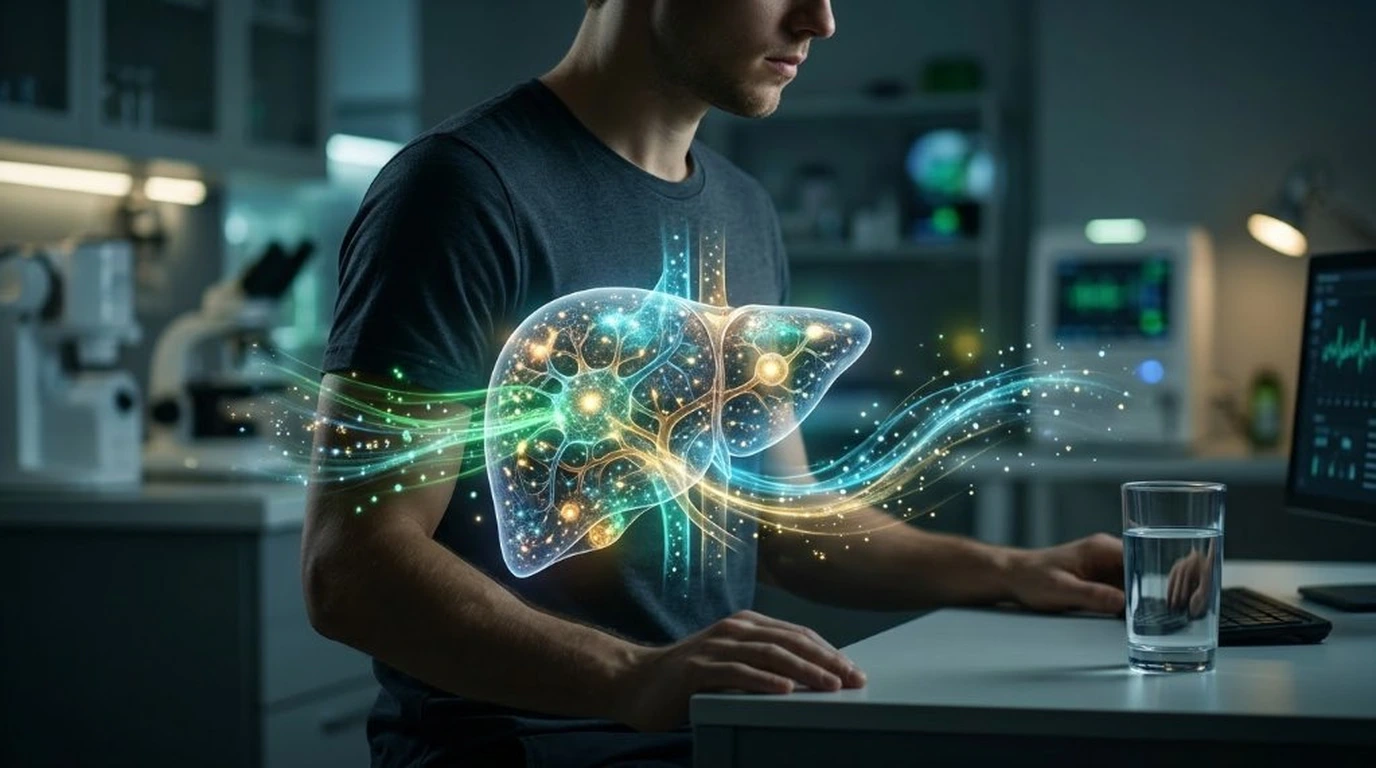
- → The Liver Operates as an Uninterrupted Biochemical Plant: From regulating blood glucose and synthesizing albumin to bile generation and xenobiotic clearance, the liver orchestrates over 500 vital processes simultaneously (Guengerich, 2021).
- → Cellular Detoxification Is a Precise Two-Phase Assembly Line: Phase 1 cytochrome enzymes oxidize lipophilic toxins, while Phase 2 conjugation enzymes bind them to water-soluble carriers for safe excretion (Hodges and Minich, 2015).
- → The Intestinal Barrier Protects the Hepatic Frontline: When gut permeability rises, bacterial endotoxins travel via the portal vein; resident Kupffer macrophages intercept these invaders to prevent systemic inflammation (Gao et al., 2026).
- → Targeted Nutrition and Aerobic Exercise Reverse Steatosis: Sulforaphane-rich cruciferous vegetables activate Nrf2 defense pathways, while regular moderate exercise clears hepatic triglyceride pools without pharmaceuticals (Pinheiro Dos Santos et al., 2026).
⚠️ Medical Disclaimer: This content is strictly for educational and informational purposes and does not substitute for professional medical advice, clinical diagnosis, or treatment. Always consult a gastroenterologist or hepatologist for abnormal liver enzymes, viral hepatitis, or chronic hepatic disorders.
In Brief
- The master metabolic plant: Weighing roughly 1.5 kilograms, the liver filters approximately 25% of resting cardiac output every minute, operating as the body’s primary metabolic processing hub.
- The two-step purification line: Toxins are first converted into reactive intermediates (Phase 1), and then conjugated with amino acids or sulfur compounds into benign water-soluble molecules for biliary and renal excretion (Phase 2).
- Eastern and Western convergence: Traditional medicine reveres the liver as the commander of Qi and emotional circulation; modern neuro-endocrinology confirms that chronic stress and sympathetic arousal constrict hepatic microcirculation.
- Actionable cellular support: Broccoli sprouts, garlic, artichokes, and nightly digestive fasting empower endogenous glutathione production and cellular cleanup pathways.
Sound Familiar? “Why Do I Still Wake Up Exhausted?”
You slept for a solid eight hours, yet dragged yourself out of bed feeling as though you hadn’t rested at all. You might notice dry eyes during the day, heavy bloating following modest meals, or a lingering mental fog that caffeine fails to dispel.
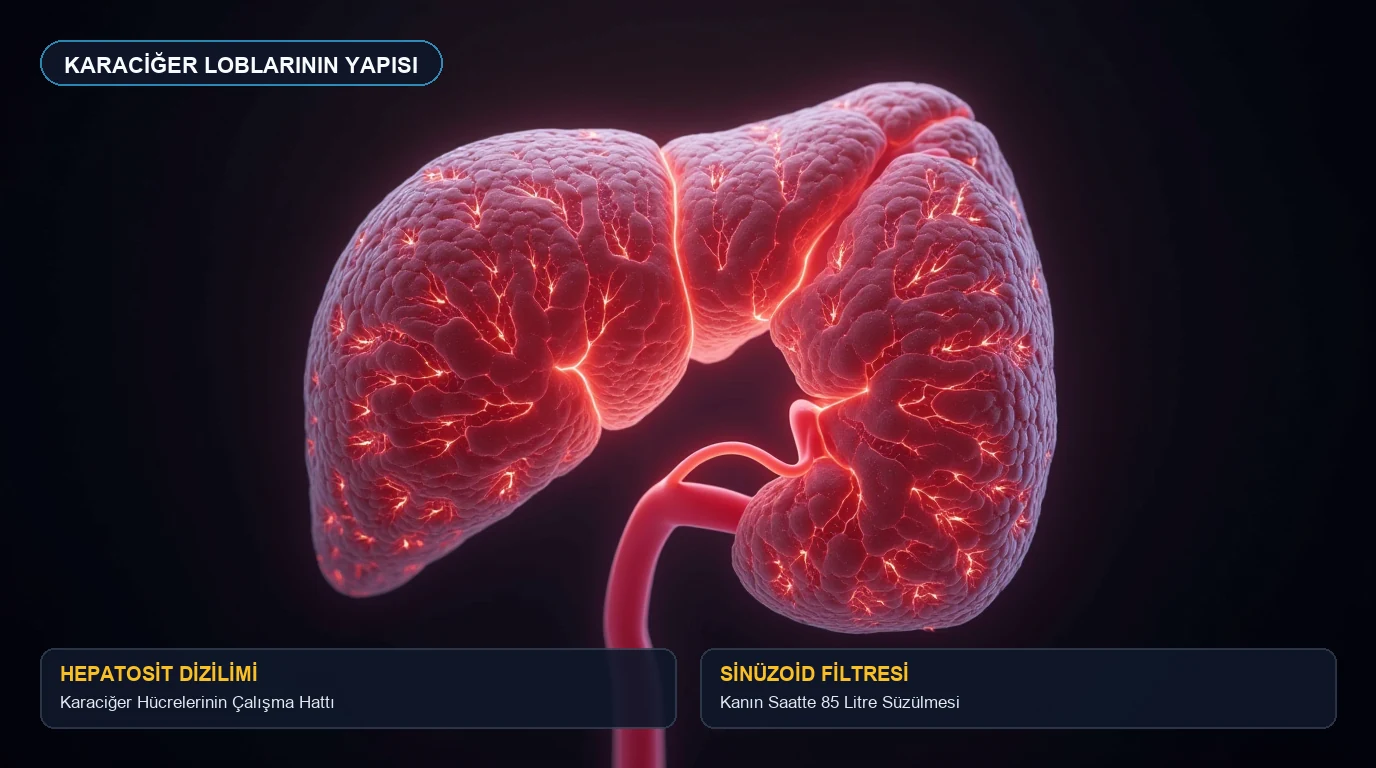
Most individuals attribute chronic fatigue exclusively to lack of sleep, stress, or advancing age. However, the unsung architect of our internal homeostasis is the liver, quietly tucked beneath the right rib cage. Because liver parenchyma lacks sensory pain receptors, it does not ache when overburdened; instead, it signals distress through low energy, sluggish digestion, and brain fog [1, 2].
Supporting this organ requires moving beyond commercial “3-day juice cleanses” and looking directly into rigorous hepatic biochemistry. Understanding how liver cells actually process waste is the foundation of long-term metabolic health.
Why Is the Liver Compared to an Industrial Plant? Over 500 Silent Tasks
The liver is far more than a passive biological sieve. In physiological terms, it represents a sprawling biochemical processing complex where hundreds of production, storage, and transformation pipelines operate in unison [1].
Its primary manufacturing and metabolic operations span four essential domains:
- Energy and Fuel Distribution: Buffers blood glucose by storing excess carbohydrate as glycogen and releases glucose into circulation during fasting to sustain cerebral metabolism.
- Essential Protein Synthesis: Produces albumin to maintain intravascular oncotic pressure and continuously synthesizes vital clotting factors to control hemorrhage.
- Digestive Bile Manufacturing: Secretes nearly one liter of bile daily to emulsify dietary fats and ensure the absorption of fat-soluble vitamins (A, D, E, and K).
- Biotransformation and Clearance: Neutralizes pharmaceutical compounds, environmental pollutants, alcohol metabolites, and recycled steroid hormones [1, 3].
Executing these diverse roles makes the liver one of the most metabolically demanding and oxygen-hungry organs in human physiology.
The Dual-Phase Purification Line: How Phase 1 and Phase 2 Detoxification Work
In metabolic pharmacology and toxicology, the liver’s biotransformation sequence mirrors a two-stage industrial treatment plant. The vast majority of environmental and metabolic toxins are fat-soluble (lipophilic); they cannot be eliminated via urine or bile until converted into water-soluble (hydrophilic) structures [2].
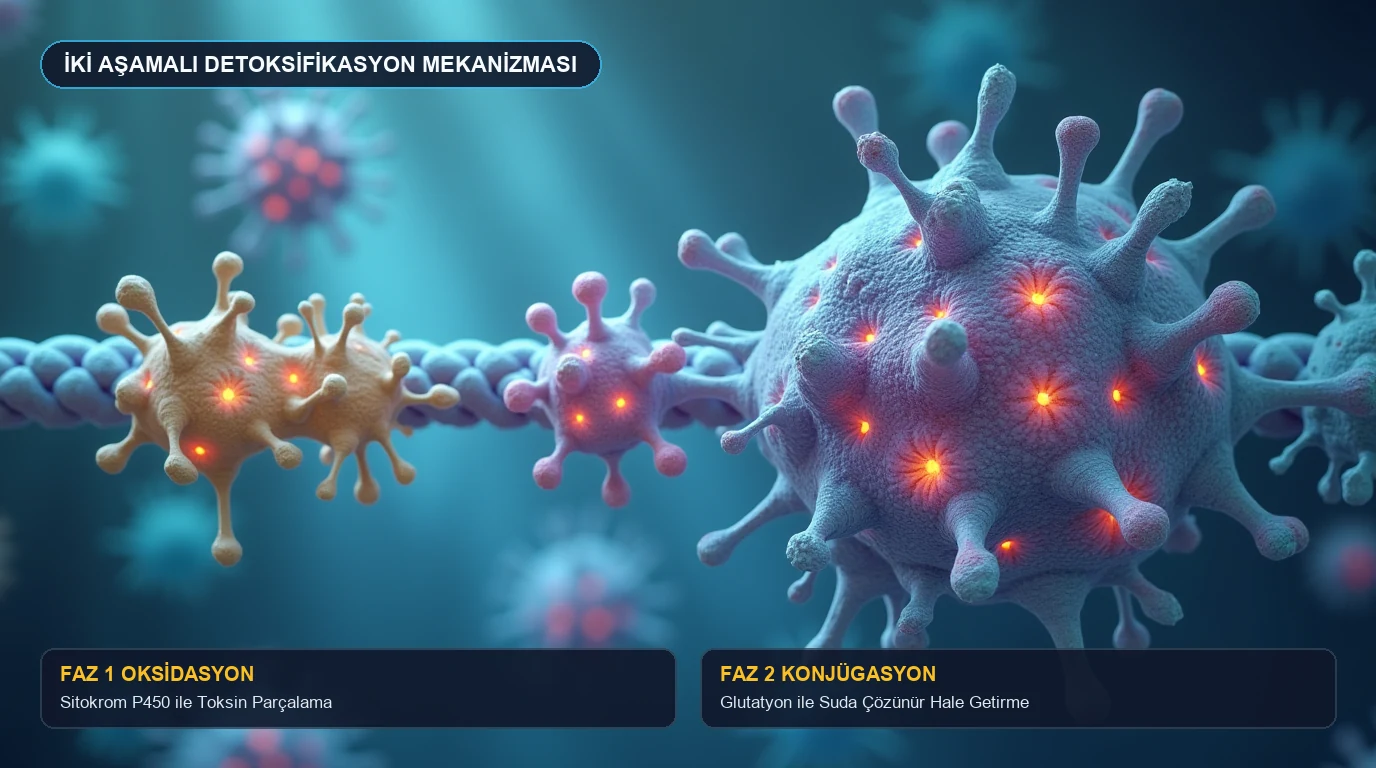
Phase 1: Oxidation and Reactive Cleavage
In this initial station, the Cytochrome P450 enzyme superfamily takes center stage. These enzymes introduce oxygen atoms into toxin molecules through oxidation, reduction, or hydrolysis, exposing a reactive chemical handle [1].
However, this transformation creates an evolutionary trade-off: the intermediate metabolites produced in Phase 1 are frequently far more chemically reactive and prone to generating free radicals than the original toxins. If the second conveyor belt is sluggish, these reactive intermediates can damage hepatic cell membranes and mitochondrial DNA.
Phase 2: Conjugation and Safe Package Dispatch
The secondary conveyor belt neutralizes these reactive intermediates by attaching protective water-soluble molecules. Hepatocytes link glutathione, glycine, sulfate, or glucuronic acid onto the reactive sites (conjugation reactions) [2, 4].
Once conjugated, the compound becomes fully hydrophilic and is directed into bile for bowel transit or into systemic circulation for renal filtration.
| Phase | Core Mechanism | Essential Nutritional Cofactors |
|---|---|---|
| Phase 1 (Functionalization) | Oxidation, reduction, and hydrolysis to unmask polar handles | B vitamins, folate, flavonoids, zinc, iron |
| Phase 2 (Conjugation) | Coupling with glutathione, sulfate, and amino acids | Reduced glutathione, cysteine, glycine, sulfur donors |
| Phase 3 (Transporter Efflux) | ABC transporter pump excretion into bile and urine | Adequate hydration, dietary soluble fiber, healthy bile flow |
The Gut-Liver Axis: Portal Circulation and Kupffer Sentinels
The liver does not exist in isolation; it sits at the immediate receiving end of the digestive tract. Nearly all venous blood draining the stomach, pancreas, and intestines flows directly into the liver through the large portal vein [3].
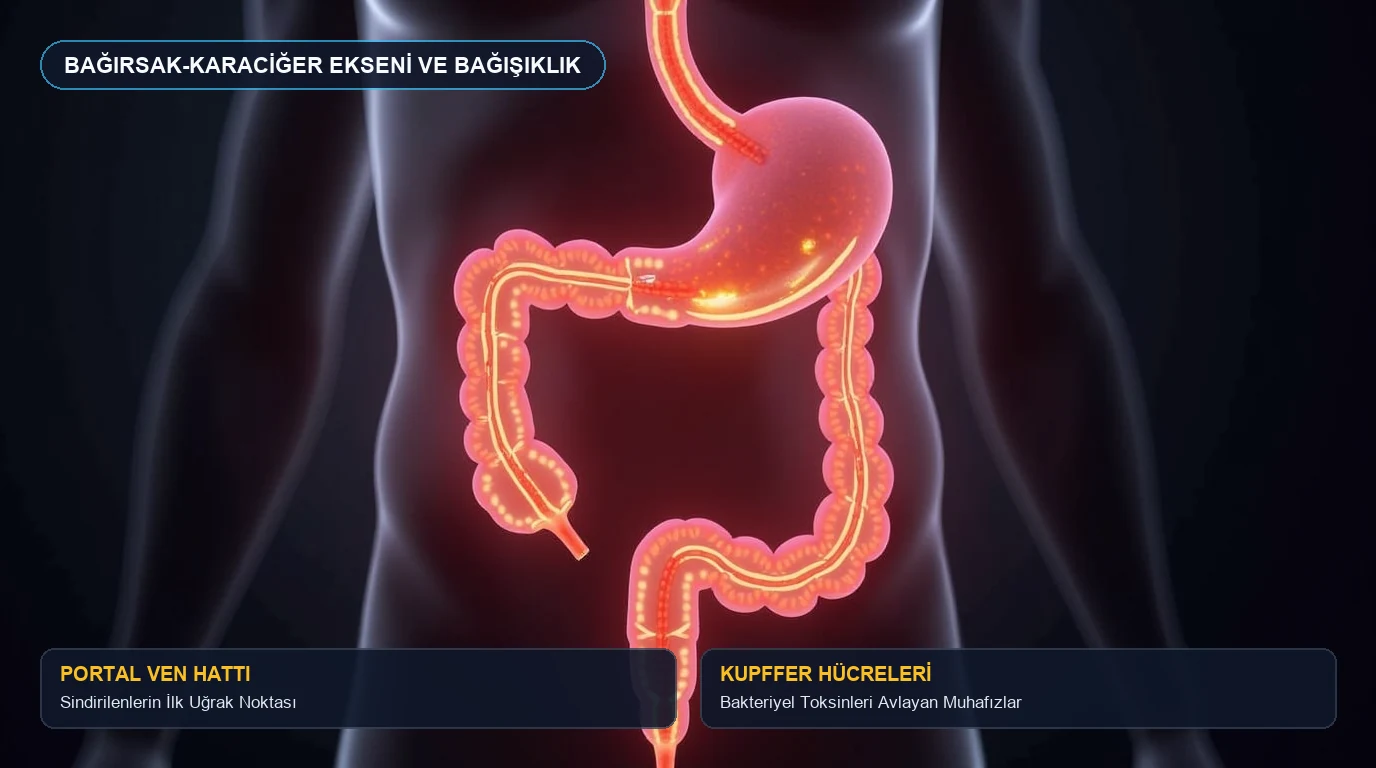
When intestinal dysbiosis occurs and gut mucosal barrier integrity weakens, bacterial fragments—predominantly lipopolysaccharide (LPS) endotoxins—leak into portal circulation. Resident liver macrophages known as Kupffer cells patrol the sinusoidal walls and ingest these bacterial invaders before they enter systemic blood [3].
However, continuous endotoxin exposure chronically overwhelms Kupffer cells, triggering pro-inflammatory cytokine cascades. This unrelenting low-grade immune activation is a recognized driver of hepatic insulin resistance and steatotic accumulation.
Traditional Perspectives and Integrative Insights: Meridians, Stress, and Nocturnal Rhythms
In traditional acupuncture systems and holistic medicine, the liver is viewed not merely as a biochemical processor, but as the master regulator of smooth energetic flow and emotional equilibrium. Complementary medicine physicians, such as Dr. Ayman, emphasize that disruptions in hepatic energy flow correlate with widespread neuro-vegetative tension [5].
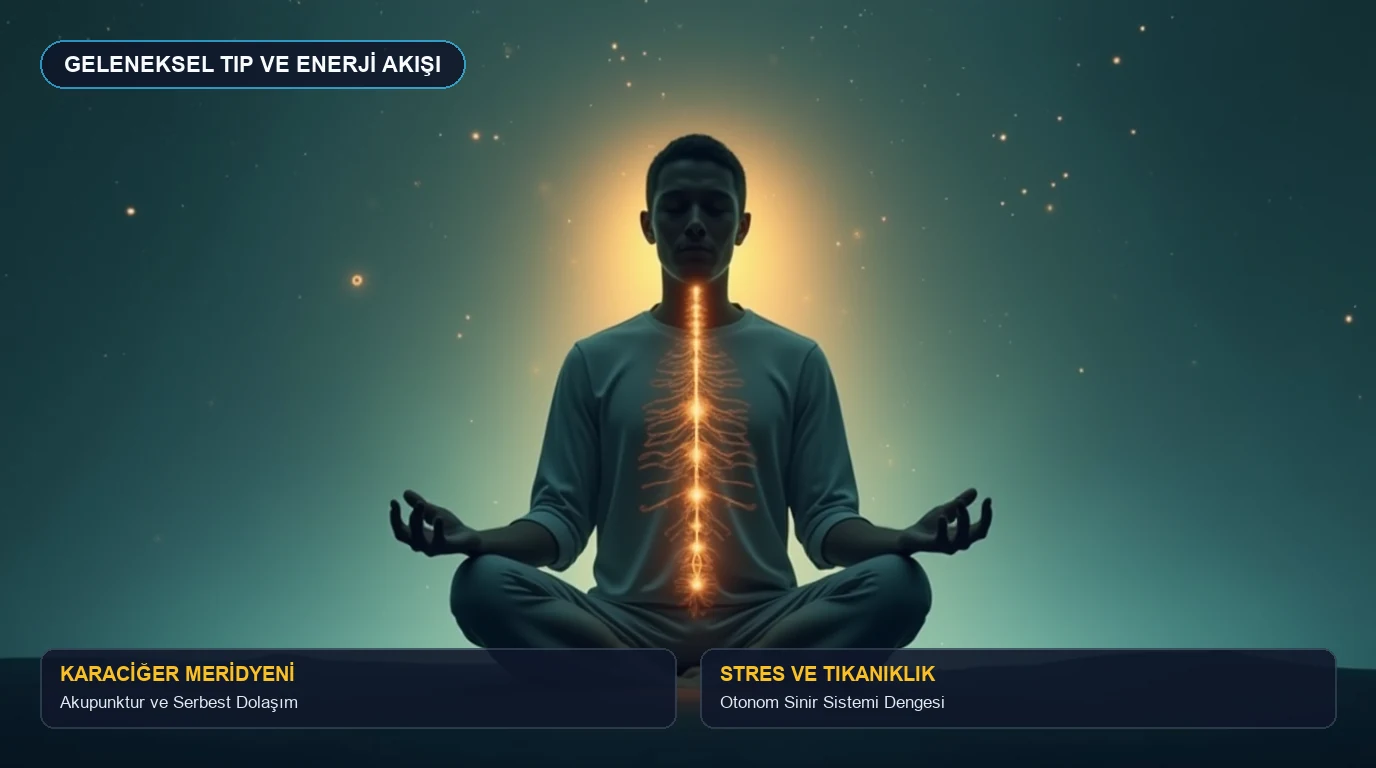
Several compelling intersections exist between historical observations and modern circadian biology:
- 1:00 AM – 3:00 AM Nocturnal Awakenings: Traditional organ clock models designate the hours between 1:00 AM and 3:00 AM as the liver’s peak restorative window. Modern chronobiology verifies that hepatic clock genes (BMAL1, CLOCK) drive bile acid turnover and lipid biotransformation to their peak activity during deep non-REM nocturnal stages.
- Repressed Frustration and Sympathetic Tone: Eastern traditions correlate unresolved anger directly with liver Qi stagnation. Clinically, chronic emotional stress activates the sympathetic nervous system, inducing splanchnic vasoconstriction and reducing microvascular hepatic perfusion.
- Ocular Vitality and Tendon Flexibility: The traditional axiom that “the liver opens to the eyes and nourishes the sinews” mirrors the hepatic storage of retinol (Vitamin A) essential for retinal rhodopsin and systemic collagen synthesis.
ℹ️ Integrative Medicine Note: Holistic and traditional perspectives provide valuable lifestyle and mind-body awareness; however, they cannot replace clinical hepatology diagnostics or treatments for organic disorders such as cirrhosis, fibrosis, or viral hepatitis.
Fueling the Liver: Nutrients That Activate Glutathione and Nrf2 Defenses
Supporting hepatic cells does not require synthetic miracle supplements. The human body is genetically equipped with an endogenous master antioxidant network centered on reduced glutathione [4].
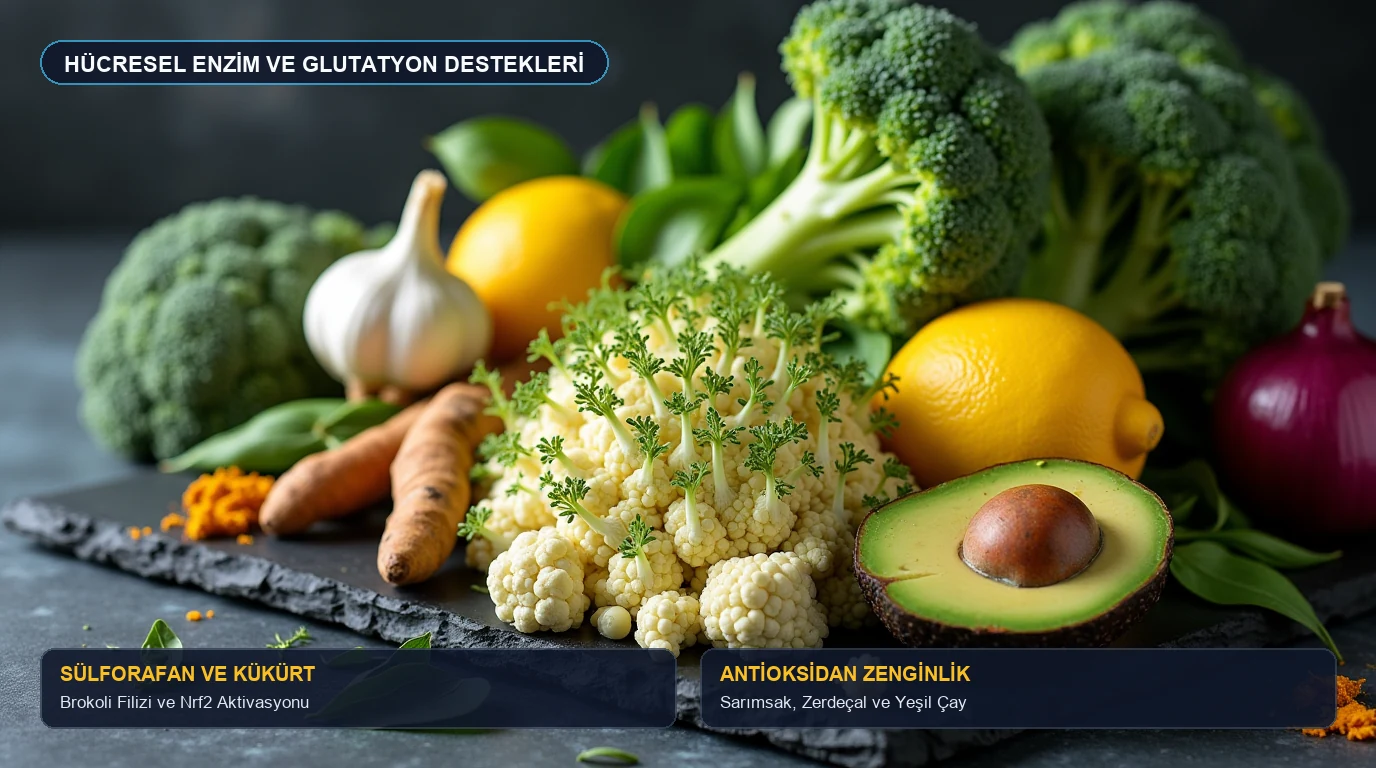
Key dietary bioactives capable of triggering endogenous hepatic defenses include:
- Sulforaphane (Broccoli Sprouts and Cruciferous Vegetables): Potently activates the nuclear factor erythroid 2-related factor 2 (Nrf2) pathway, driving the expression of Phase 2 glutathione S-transferase enzymes [2].
- Organosulfur Compounds (Garlic, Onions, and Leeks): Deliver bioavailable cysteine and sulfur molecules necessary for continuous intracellular glutathione synthesis.
- Silymarin (Milk Thistle Seed Extract): Interacts with hepatocyte membranes, scavenging lipid peroxides and preserving endogenous antioxidant reserves [2].
- Choline (Egg Yolks and Lecithin): An indispensable nutrient required to produce phosphatidylcholine for exporting very-low-density lipoproteins (VLDL), preventing hepatic steatosis.
What Can You Do? 4 Daily Habits to Lighten the Hepatic Load
Revitalizing liver health requires consistent physiological habits that reduce metabolic overload rather than aggressive pharmacological interventions.
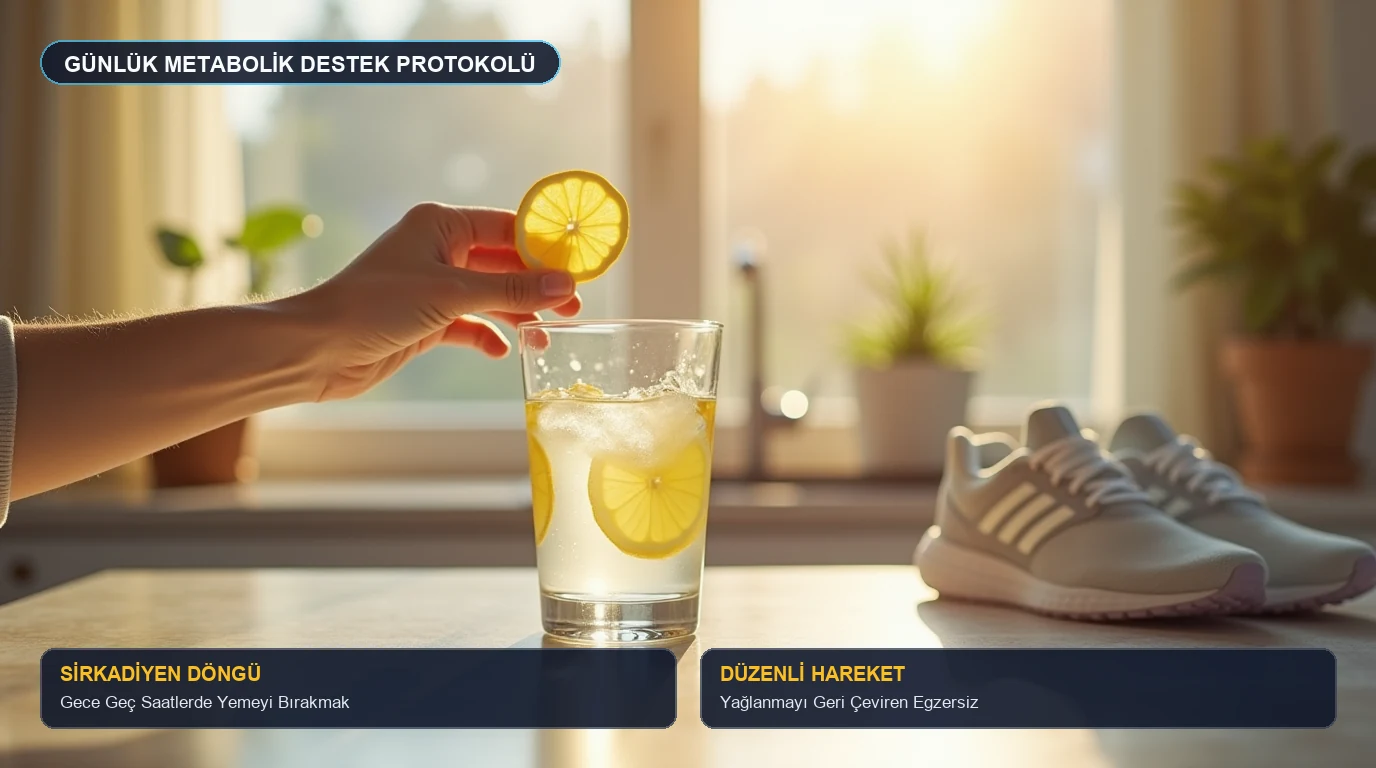
- Eliminate Late-Night Snacking (The Easiest and Most Impactful Step): Ceasing caloric intake after 8:00 PM grants the liver a continuous 12-hour fast, shifting hepatocyte metabolism from processing incoming nutrients to internal autophagy and lipid clearance.
- Cut Liquid Fructose and Refined Syrups: Fructose is metabolized almost exclusively by the liver; sweetened beverages and high-fructose corn syrup bypass normal satiety loops and directly fuel de novo lipogenesis [1].
- Engage in 150 Minutes of Moderate Aerobic Exercise Weekly: Brisk walking or cycling significantly mobilizes hepatic intra-triglyceride stores, even before noticeable reductions in overall body weight [6].
- Hydrate Generously Upon Waking: A large glass of warm water with fresh lemon upon rising supports hydration and encourages gallbladder motility for morning digestive waste clearance.
How Much Can We Trust This Evidence?
| Finding | Evidence Level |
|---|---|
| Regular aerobic exercise directly reduces hepatic steatosis | 🟢 Strong |
| Liquid fructose and alcohol drive rapid intrahepatic lipid accumulation | 🟢 Strong |
| Sulforaphane and sulfur-rich foods stimulate Phase 2 enzymes via Nrf2 | 🟢 Strong |
| Acupuncture meridians modulate hepatic blood flow and autonomic stress | 🟡 Emerging |
| Commercial detox cleanse beverages flush toxins from liver tissue | 🔴 Inadequate |
💡 What Does the Evidence Level Mean?
- 🟢 Strong: Validated by multiple independent human clinical trials, systematic reviews, and wide consensus.
- 🟡 Emerging: Promising preliminary trials, small cohort studies, or mechanistic human models requiring larger confirmation.
- 🔴 Inadequate: Lacking robust clinical human validation, commercially biased, or limited solely to in vitro cell cultures.
Frequently Asked Questions
Do commercial liver cleanse teas and detox kits actually work?
No. There is zero rigorous scientific evidence demonstrating that over-the-counter detox teas or cleanses remove metabolic toxins from liver tissue. The liver is already an autonomous, self-purifying organ; the most effective strategy is reducing its intake of alcohol, ultra-processed sugars, and unnecessary additives.
Can fatty liver disease (steatosis) truly be reversed?
Yes. Early- to moderate-stage metabolic dysfunction-associated steatotic liver disease (MASLD) is highly reversible. Eliminating refined carbohydrates, establishing a nightly fasting window, and engaging in regular moderate exercise can clear hepatic fat accumulation within months.
Can someone who never drinks alcohol develop a fatty liver?
Yes. Non-alcoholic metabolic steatotic liver disease (MASLD) is currently the leading cause of hepatic dysfunction worldwide, primarily triggered by excess dietary fructose, insulin resistance, and sedentary lifestyle patterns.
Can milk thistle (silymarin) rescue a damaged liver on its own?
Milk thistle offers valuable antioxidant and membrane-stabilizing support for hepatocytes. However, it cannot counteract the detrimental effects of a high-sugar diet, sedentary living, or excessive alcohol; it functions best as an adjunct to a disciplined, health-supportive lifestyle.
References
- Guengerich FP. (2021). Cytochrome P450 research and human health: Perspectives on 60 years of xenobiotic metabolism. Biochemical and Biophysical Research Communications, 538:13-21. DOI: 10.1016/j.bbrc.2020.10.061
- Hodges RE, Minich DM. (2015). Modulation of Metabolic Detoxification Pathways Using Foods and Food-Derived Components: A Scientific Review with Clinical Application. Journal of Nutrition and Metabolism, 2015:760608. DOI: 10.1155/2015/760608
- Gao Y, Gao X, Wang K, et al. (2026). The role of microbial enzymes in intervention strategies for metabolic diseases targeting the gut microbiota. Science China Life Sciences, 69(10):11427. DOI: 10.1007/s11427-026-3413-3
- Vardakas P, Skaperda Z, Nechalioti PM, et al. (2026). Targeting Reduced Glutathione (GSH) to Promote Metabolic Health: Insights on the Role of Bioactive-Rich Foods and Fasting Protocols. International Journal of Molecular Sciences, 27(14):6400. DOI: 10.3390/ijms27146400
- Dr. Ayman ile Akupunktur ve Sağlıklı Yaşam. (2026). The Liver Is a Factory: Meridian Energetics, Autonomic Equilibrium, and Holistic Biology. Telegram Signal Source. Telegram Link
- Pinheiro Dos Santos EE, Cappato de Araújo R, Antunes Guijo J, et al. (2026). Exercise-only interventions for metabolic dysfunction-associated steatotic liver disease: a systematic review and meta-analysis. European Journal of Gastroenterology & Hepatology, 38(11):3315. DOI: 10.1097/MEG.0000000000003315
For informational purposes only; consult a physician for medical diagnosis or treatment.