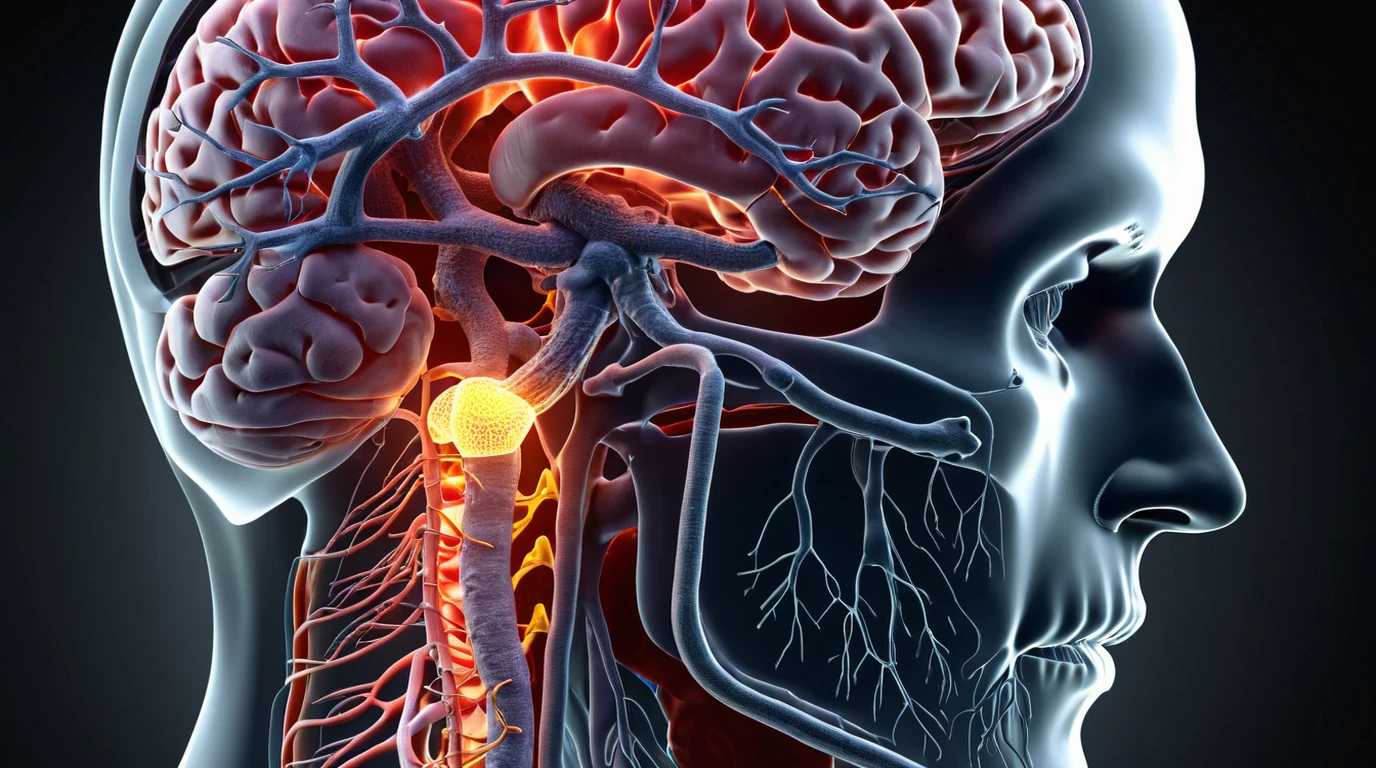
- → Direct Neural-Immune Line: Mental stress is not merely an emotional state; it is conveyed to circulating immune cells within seconds via sympathetic nerves and endocrine cascades (Dhabhar, 2014).
- → Surface Antennas on Immune Cells: Leukocytes possess beta-2 adrenergic and glucocorticoid receptors that bind stress hormones and immediately alter cell trafficking and gene expression (Sanders, 2012).
- → Acute Stress Sharpens Defense: Short-term stress redistributes leukocytes from the bloodstream into barrier tissues, mounting an adaptive protective shield against injury (Dhabhar et al., 2012).
- → Chronic Stress Promotes Glucocorticoid Resistance: Sustained psychological tension desensitizes immune receptors, fostering systemic low-grade inflammation and increased viral vulnerability (Cohen et al., 2012).
⚠️ Informational Notice: The information in this article is prepared strictly for scientific awareness and educational purposes; under no circumstances does it substitute for clinical medical evaluation, formal diagnosis, or individualized therapy. For persistent burnout, chronic recurrent infections, or severe anxiety disorders, consult a qualified physician or mental health professional.
In Brief
- Mental stress translates into chemical commands in seconds: A racing worry in your mind activates deep command centers in the brain, broadcasting an immediate emergency bulletin across the entire physiology.
- Leukocytes listen to circulating hormones: Immune cells patrolling your vascular tree bind stress signaling molecules via specialized surface receptor locks.
- Short-term alarm mobilizes bodily defense: Acute stress lasting minutes to hours shuttles defense cells to front-line barrier tissues, bolstering resistance against potential physical trauma.
- Endless sirens deplete immune resilience: Weeks of unremitting alarm signaling exhaust cellular receptor mechanisms, inducing glucocorticoid resistance and leaving the body vulnerable to opportunistic pathogens.
Sound Familiar?
Have you ever felt your heart pounding violently right before delivering a high-stakes presentation or navigating an overwhelming workplace crisis? Your palms sweat, your shoulder muscles tighten, and your focus narrows into an intense tunnel. Yet that tension never remains confined to your skull: a few hours later you notice a scratchy tickle in your throat, or within 24 hours of starting a long-awaited vacation, you suddenly collapse in bed with flu-like exhaustion.

For decades, classical medicine viewed the brain and the immune system as completely segregated domains. The mind was treated as an ethereal processor of thoughts, while immunity was envisioned as an autonomous army fighting bacteria in isolation. Modern psychoneuroimmunology has obliterated that false dichotomy: every single second, these two systems maintain uninterrupted two-way radio communication.
How does an abstract cognitive worry travel into the microscopic leukocytes swimming in your blood vessels? Let us trace this neurochemical journey step by step.
1. The Brain’s Master Alarm: From Cognitive Tension to Chemical Decrees
It all begins when your brain registers a perceived threat. Being stuck in gridlock traffic, staring down an unpaid bill, or reading a blunt email from your manager immediately activates the limbic emotional center: the amygdala.
The amygdala instantly relays this distress signal down the primary command axis: the hypothalamic-pituitary-adrenal (HPA) axis. Think of this tri-part communication line like an executive director calling a factory manager, who in turn alerts the floor supervisor.
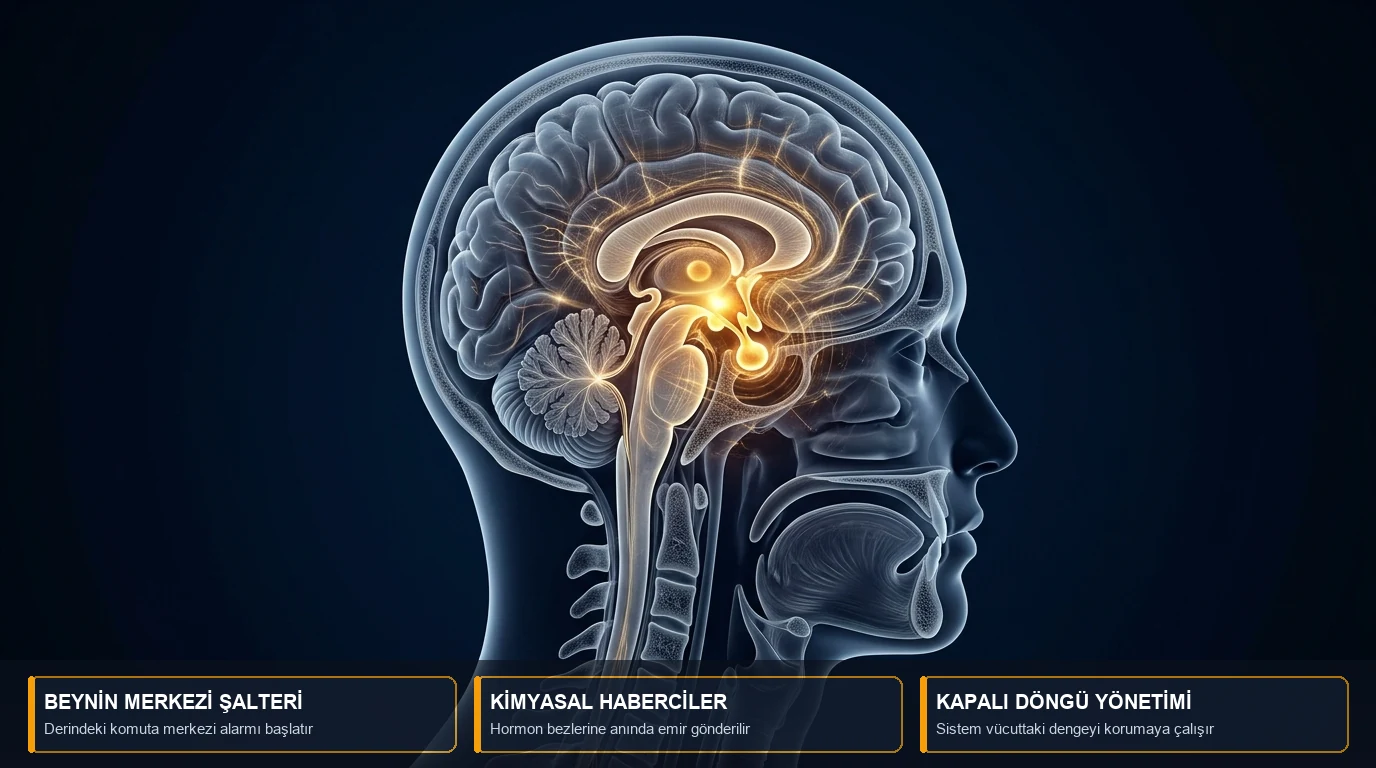
First, the paraventricular nucleus of the hypothalamus secretes corticotropin-releasing hormone (CRH). This triggers the neighboring anterior pituitary gland to release adrenocorticotropic hormone (ACTH) into the systemic circulation. ACTH journeys via the bloodstream straight toward the adrenal glands resting atop the kidneys.
Simultaneously, a second and far swifter conduit ignites: the sympathetic nervous system (SNS). Like electrical cables branching from the spinal cord, postganglionic sympathetic fibers innervate primary and secondary lymphoid organs directly—including the spleen, bone marrow, and lymph nodes. Your brain does not rely solely on slow hormonal messengers; it maintains a hard-wired, high-speed cable connection straight into immune tissue.
2. The Adrenal Factory Fires Up: Messengers Flooding the Bloodstream
When neural and hormonal alarm pulses hit the adrenal glands, the body’s most potent chemical messengers flood into circulation: adrenaline (epinephrine) and cortisol.
Adrenaline surges via the sympathetic-adrenal-medullary (SAM) axis in split seconds. It spikes your heart rate, elevates mean arterial pressure, and shunts oxygenated blood away from the gastrointestinal tract directly toward large skeletal muscle groups.
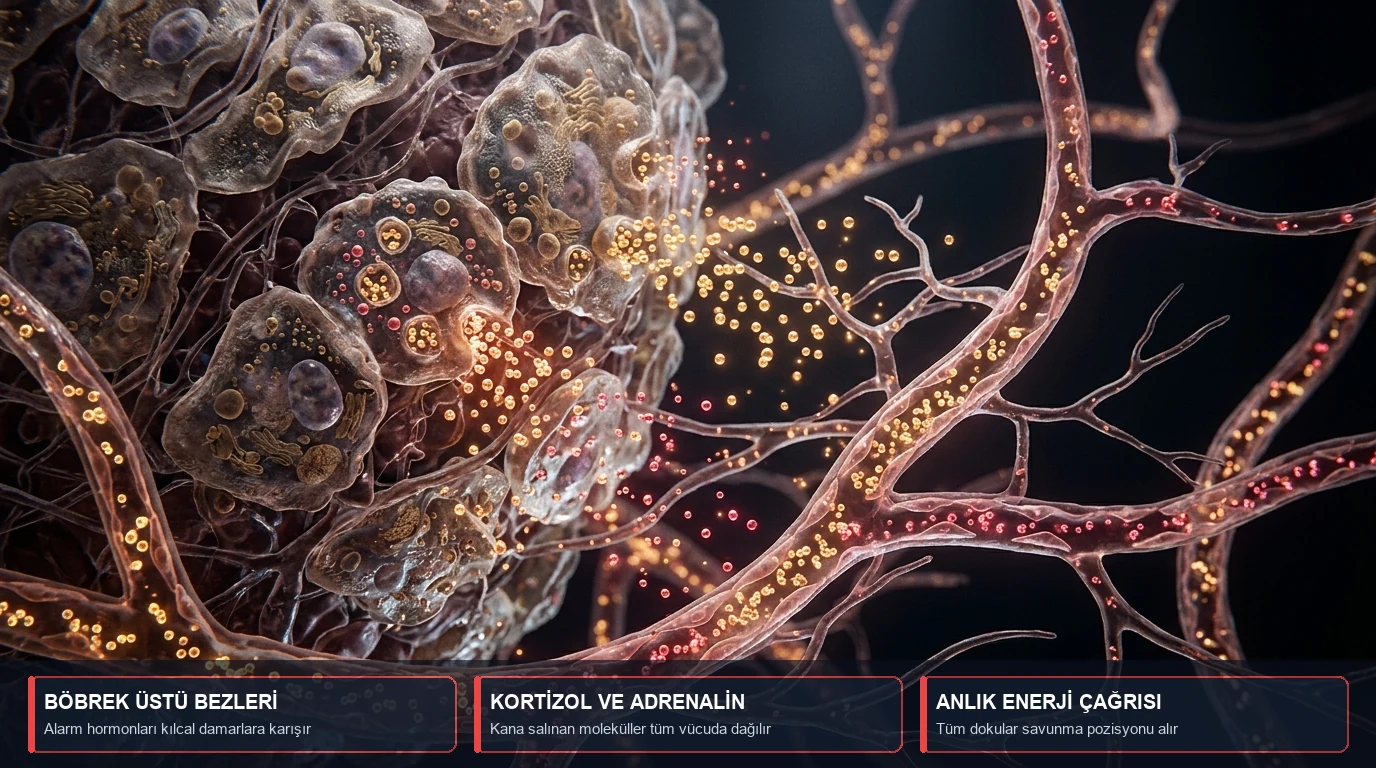
Minutes later, glucocorticoids—predominantly cortisol—arrive on the scene. Cortisol stimulates hepatic gluconeogenesis and blunts peripheral insulin sensitivity, ensuring abundant glucose fuel remains unconsumed in the blood for vital organs and muscles.
How do these surging hormones interface with circulating immune sentinels? The secret lies in microscopic molecular decoders embedded on the leukocyte cell surface.
3. Cellular Antennas: How Immune Cells Listen to the Alarm
Picture circulating white blood cells as mobile patrol units cruising urban highway networks. On their outer membranes, these cells express specialized protein complexes designed to intercept chemical cues from the surrounding microenvironment.
The primary rapid sensor is the beta-2 adrenergic receptor (β2-AR) [8]. Circulating adrenaline molecules bind to these transmembrane receptors like a precision key turning inside a deadbolt lock [8].
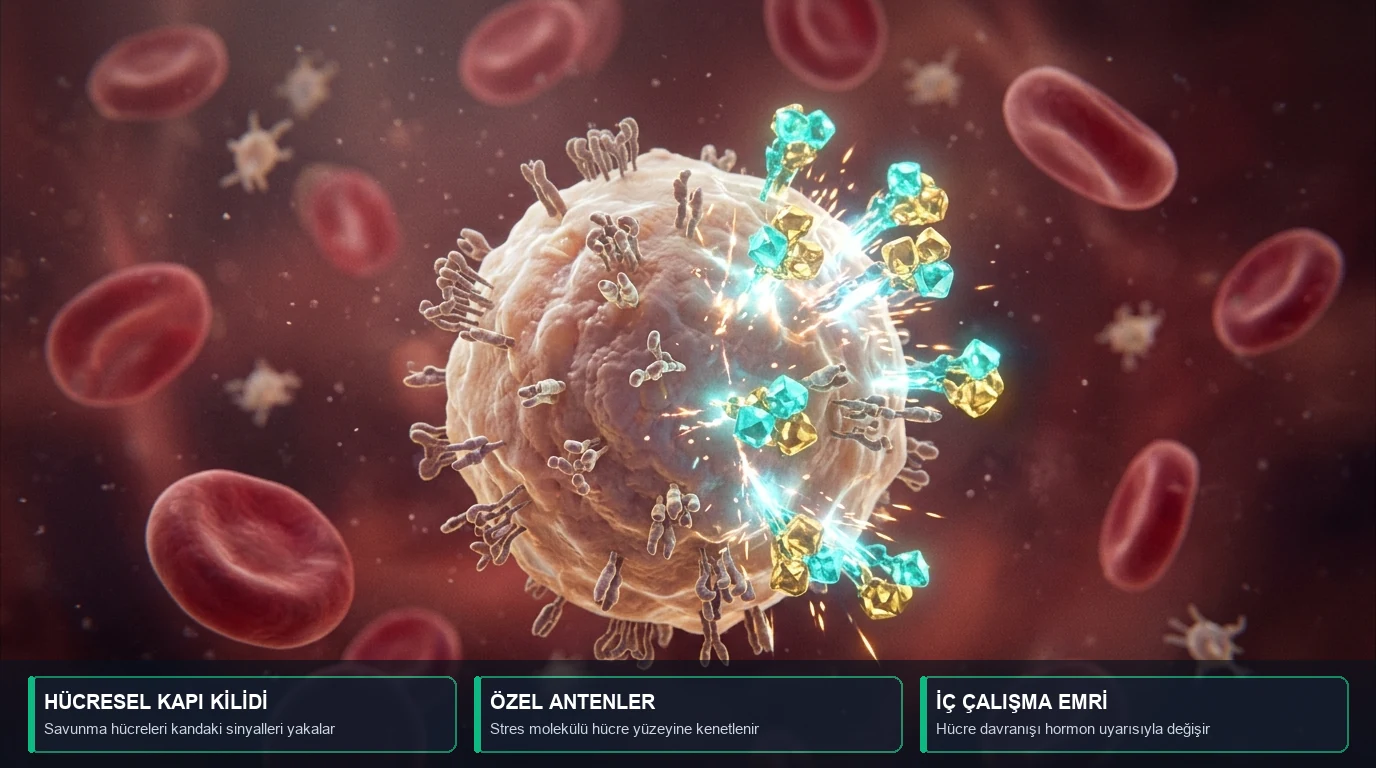
Following closely, lipid-soluble cortisol molecules diffuse effortlessly through the cell membrane to bind intracellular glucocorticoid receptors (GR) [6]. Once bound, the hormone-receptor complex dimerizes and translocates directly into the cell nucleus [6].
Inside the nucleus, the complex alters chromatin accessibility and transcriptional programming: it dictates which cytokine genes are transcribed, which defense programs are muted, and where the leukocyte must migrate. What originated as an abstract mental worry in the prefrontal cortex is now an exact biochemical command altering the genomic readout of an immune cell.
4. Why Acute Stress Actually Sharpens Defense
There is a widespread misconception that “any amount of stress instantly destroys immunity.” Evolutionary physiology reveals a far more sophisticated reality.
In wild nature, when a gazelle evades a predator or our ancestors sprinted across rocky terrain, the probability of laceration, puncture, or pathogen exposure was acute. Pioneering research led by Firdaus Dhabhar demonstrates that acute, short-term stress enhances—rather than suppresses—immune defense [1, 2].
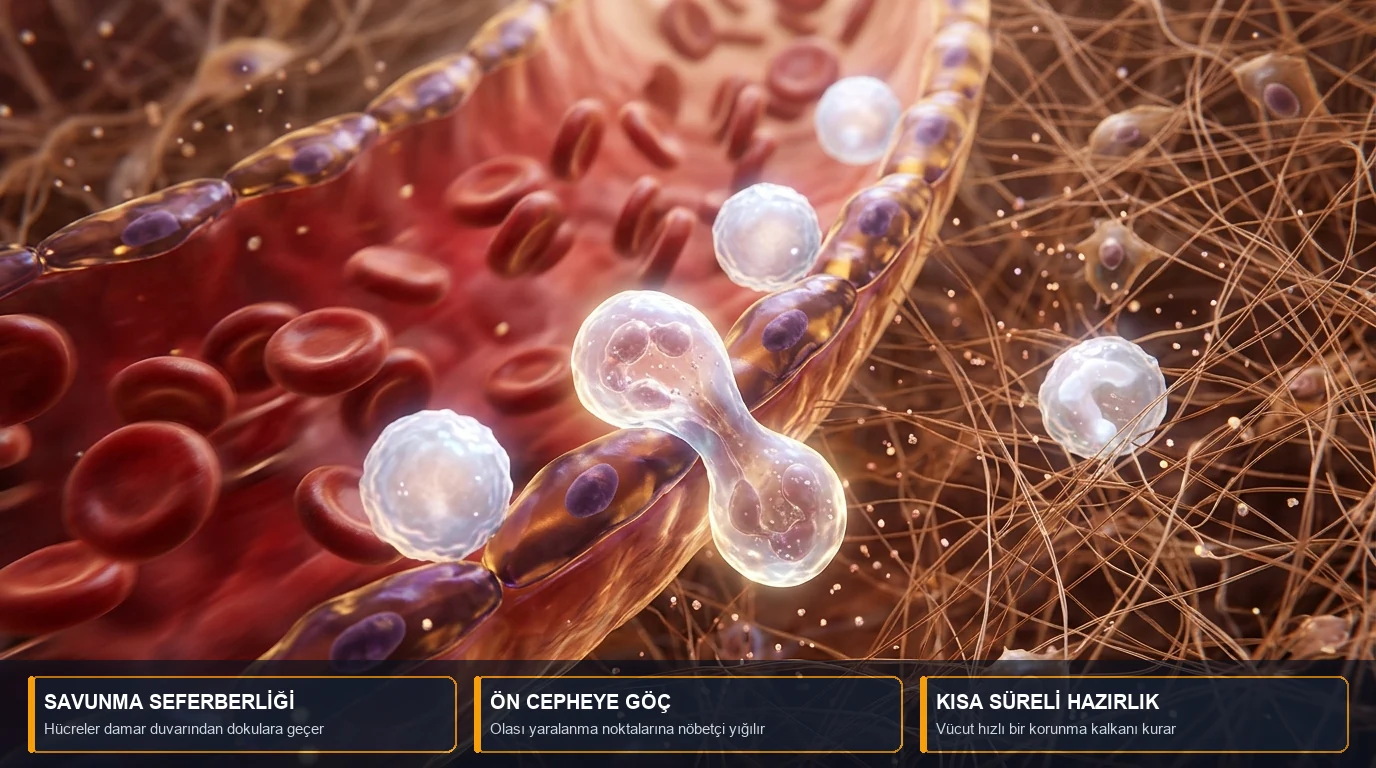
During this mobilization, extravasation begins [2]. White blood cells idling in the bloodstream attach to vascular adhesion molecules (selectins and integrins) and migrate out of the vessel into the skin, mucosa, and regional lymph nodes [2].
Much like a castle deploying garrison troops to the outer gates during an impending siege, the body fortifies its external boundaries against invasion. Once the acute challenge resolves, hormonal levels return to baseline, and leukocytes re-enter circulation. The problem is not the sounding of the alarm—it is the alarm that never turns off.
5. When the Alarm Never Stops: The Toll of Chronic Stress
In the modern world, stressors rarely come from saber-toothed cats; they stem from unrelenting inboxes, financial instability, and marital strain. These modern challenges do not resolve in 10 minutes; they simmer in the background for weeks, months, or years.
When the neural alarm blares continuously, cortisol remains elevated around the clock. To protect themselves from toxic overstimulation, immune cells downregulate the density and sensitivity of their surface glucocorticoid receptors [6]. This phenomenon is termed glucocorticoid receptor resistance (GCR) [6].

Because their receptor locks are blunted, immune cells become deaf to cortisol’s standard “stand-down and quiet inflammation” signal [6]. Consequently, unconstrained NF-κB transcription fuels smoldering, low-grade systemic inflammation [3, 6].
In a landmark clinical trial of over 300 adults exposed to respiratory rhinoviruses, Sheldon Cohen and colleagues showed that individuals experiencing chronic interpersonal stress exhibited marked glucocorticoid receptor resistance—and were significantly more likely to develop clinical viral colds [6]. When the mind has no rest, cellular defenses inevitably crumble.
What You Can Do: 4 Evidence-Based Habits
Understanding the biological highway connecting the mind to leukocytes clarifies how to intervene and restore equilibrium:
- 1. Employ Extended Exhalations: Inhale through your nose for 4 seconds, then exhale smoothly through pursed lips for 8 seconds to activate the parasympathetic brake.
- 2. Take a 20-Minute Brisk Walk: Muscular contraction clears circulating catecholamines and cortisol, accelerating systemic metabolic clearance.
- 3. Anchor Circadian Rhythm with Morning Sunlight: Viewing natural outdoor light within 30 minutes of waking anchors the cortisol awakening response (CAR) to the early morning hours.
- 4. Establish Digital Boundaries: Constant smartphone notification pings trigger repetitive micro-doses of adrenaline; silence non-essential banners.
Among these, the fastest and most accessible is Step 1. Doubling the duration of your exhalation relative to your inhalation for just 2 to 3 minutes fires sensory afferents along the vagus nerve, releasing acetylcholine at the sinoatrial node, slowing heart rate, and canceling the brain’s cellular alarm broadcast [7].

Evidence Evaluation
| Finding | Evidence Level |
|---|---|
| Direct sympathetic innervation of primary and secondary lymphoid organs | 🟢 Robust |
| Leukocytes expressing functional beta-2 adrenergic and glucocorticoid receptors | 🟢 Robust |
| Acute stress redistributing leukocytes from blood to barrier tissues | 🟢 Robust |
| Chronic stress inducing glucocorticoid receptor resistance and pro-inflammatory signaling | 🟢 Robust |
| Claim that “all forms of stress instantly destroy the immune system” | 🔴 Insufficient (Factually Inaccurate) |
💡 What Do These Confidence Tiers Signify?
- 🟢 Robust: Validated by extensive randomized human trials and clinical consensus.
- 🟡 Emerging: Supported by smaller cohorts or promising preliminary laboratory studies.
- 🔴 Insufficient: Lacking clinical human substantiation, contradictory, or restricted to speculation.
Frequently Asked Questions
What happens to my immune system during an intense heated argument?
Within seconds, adrenaline surges, prompting leukocytes to marginate along capillary walls and extravasate into barrier tissues [1, 3]. The brain mobilizes cellular defense to shield vulnerable mucosal and skin surfaces against potential physical injury [2].
Why do people often fall sick on the very first day of vacation?
After weeks of unrelenting stress, the sudden drop in circulating cortisol allows pent-up inflammatory cascades to rebound [4]. The sudden relaxation permits latent viral symptoms to manifest fully [5].
How do stress hormones physically dock onto white blood cells?
Leukocyte cell membranes are studded with specialized protein receptor complexes [8]. Adrenaline and cortisol fit into these receptors like keys in locks, directly altering intracellular transcriptional signaling [3, 6].
Does slow breathing genuinely soothe immune cells?
Yes. Prolonged exhalations activate the vagus nerve, initiating the cholinergic anti-inflammatory pathway [7]. Acetylcholine release dampens macrophage TNF-alpha production and downregulates systemic adrenaline [7].
Conclusion
Psychological tension is never just an ephemeral thought spinning in your head. It is an intricate neurobiological communication network extending from the amygdala to the spinal cord, down to the adrenal glands, and onto the receptor locks of every circulating white blood cell. While acute alarm is a life-saving evolutionary gift, unremitting chronic stress corrodes our cellular fortress. By practicing slow exhalations, engaging in daily movement, and honoring physical rest, we protect not only our mental peace, but the microscopic guardians defending our life.
Last Updated: October 2026
Scientific References & Bibliography
- [1] Dhabhar, F. S. (2014). “Effects of stress on immune function: the good, the bad, and the beautiful.” Immunologic Research, 58(2-3), 193–210. DOI: 10.1007/s12026-014-8517-0 · PMID: 24798553
- [2] Dhabhar, F. S., Malarkey, W. B., Neri, E., & McEwen, B. S. (2012). “High-anxiety individuals show increased stress-induced redistribution of immune cells: implications for health.” Brain, Behavior, and Immunity, 26(7), 1141–1147. DOI: 10.1016/j.bbi.2012.07.009 · PMID: 22841961 · PMCID: PMC3445739
- [3] Irwin, M. R., & Cole, S. W. (2011). “Reciprocal regulation of the neural and innate immune systems.” Nature Reviews Immunology, 11(9), 625–632. DOI: 10.1038/nri3042 · PMID: 21818124 · PMCID: PMC3655387
- [4] Glaser, R., & Kiecolt-Glaser, J. K. (2005). “Stress-induced immune dysfunction: implications for health.” Nature Reviews Immunology, 5(3), 243–251. DOI: 10.1038/nri1571 · PMID: 15738954
- [5] McEwen, B. S. (1998). “Protective and damaging effects of stress mediators.” The New England Journal of Medicine, 338(3), 171–179. DOI: 10.1056/NEJM199801153380307 · PMID: 9428819
- [6] Cohen, S., Janicki-Deverts, D., Doyle, W. J., Miller, G. E., Frank, E., Rabin, B. S., & Turner, R. B. (2012). “Chronic stress, glucocorticoid receptor resistance, inflammation, and disease risk.” Proceedings of the National Academy of Sciences (PNAS), 109(16), 5995–5999. DOI: 10.1073/pnas.1118355109 · PMID: 22474371 · PMCID: PMC3341031
- [7] Tracey, K. J. (2002). “The inflammatory reflex.” Nature, 420(6917), 853–859. DOI: 10.1038/nature01321 · PMID: 12490958
- [8] Sanders, V. M. (2012). “The beta2-adrenergic receptor on T and B lymphocytes: do we understand it yet?” Brain, Behavior, and Immunity, 26(2), 195–200. DOI: 10.1016/j.bbi.2011.08.001 · PMID: 21855627 · PMCID: PMC3253245
For informational purposes only; consult a physician for medical diagnosis or treatment.