- → Nature Does Not Sleep in Winter: Resilient wild plants such as chickweed, watercress, and winter cress synthesize natural cellular antifreeze compounds that allow them to photosynthesize even below freezing temperatures (Heinrich et al., 2021).
- → Roots Transform into Prebiotic Reservoirs: Perennial species like dandelion redirect their energy into taproots during cold weather, maximizing inulin fiber concentration that nourishes the gut microbiome (Sánchez-Mata et al., 2012).
- → Higher Vitamin C Than Oranges: Common chickweed and winter wild greens boast 3 to 5 times more vitamin C, chlorophyll, and bioavailable iron than cultivated supermarket greens, historically protecting humans against winter scurvy and fatigue (Luczaj et al., 2012).
- → Strict Identification Rules Are Crucial: Foraging in cold seasons carries real risks of confusion with deadly poisonous species (such as poison hemlock or autumn crocus); morphological and aroma verification is mandatory (Ceuterick et al., 2011).
⚠️ Medical & Botanical Safety Disclaimer: This guide is intended for general informational and ethnobotanical educational purposes only; it does not replace professional medical diagnosis, individualized treatment, or pharmacological advice. Foraging wild plants always involves the critical risk of misidentification with potentially lethal toxic species (such as hemlock, belladonna, or autumn crocus). Never ingest any plant unless you are one hundred percent certain of its botanical identity. Individuals with pre-existing chronic conditions, kidney stones, or those taking prescription medications should consult their physician before incorporating wild foraged plants into their diet.
In Brief
- Vitality beneath the snow: Most people assume wild vegetation vanishes in winter; in reality, cold-hardy wild greens synthesize protective sugars and polyphenols to survive freezing temperatures.
- Historical survival food: In traditional European and Mediterranean ethnobotany, winter greens served as essential emergency foods (Notnahrung) that prevented seasonal vitamin deficiencies and lethargy.
- 17 cold-hardy remedies: Led by common chickweed, dandelion roots, winter nettle shoots, and watercress, 17 specific wild greens offer superior nutrient density throughout the cold season.
- Zero-compromise foraging safety: Always harvest away from polluted roadsides, preserve perennial root systems, and never collect any specimen without absolute botanical certainty.
Does Nature Truly Sleep in Winter? The Hidden Pharmacy Beneath the Snow
When deciduous trees shed their canopy and white frost carpets the soil, common wisdom holds that plant life comes to a complete standstill. Yet in the world of wild botany, winter triggers a sophisticated biochemical defense system [1, 2].
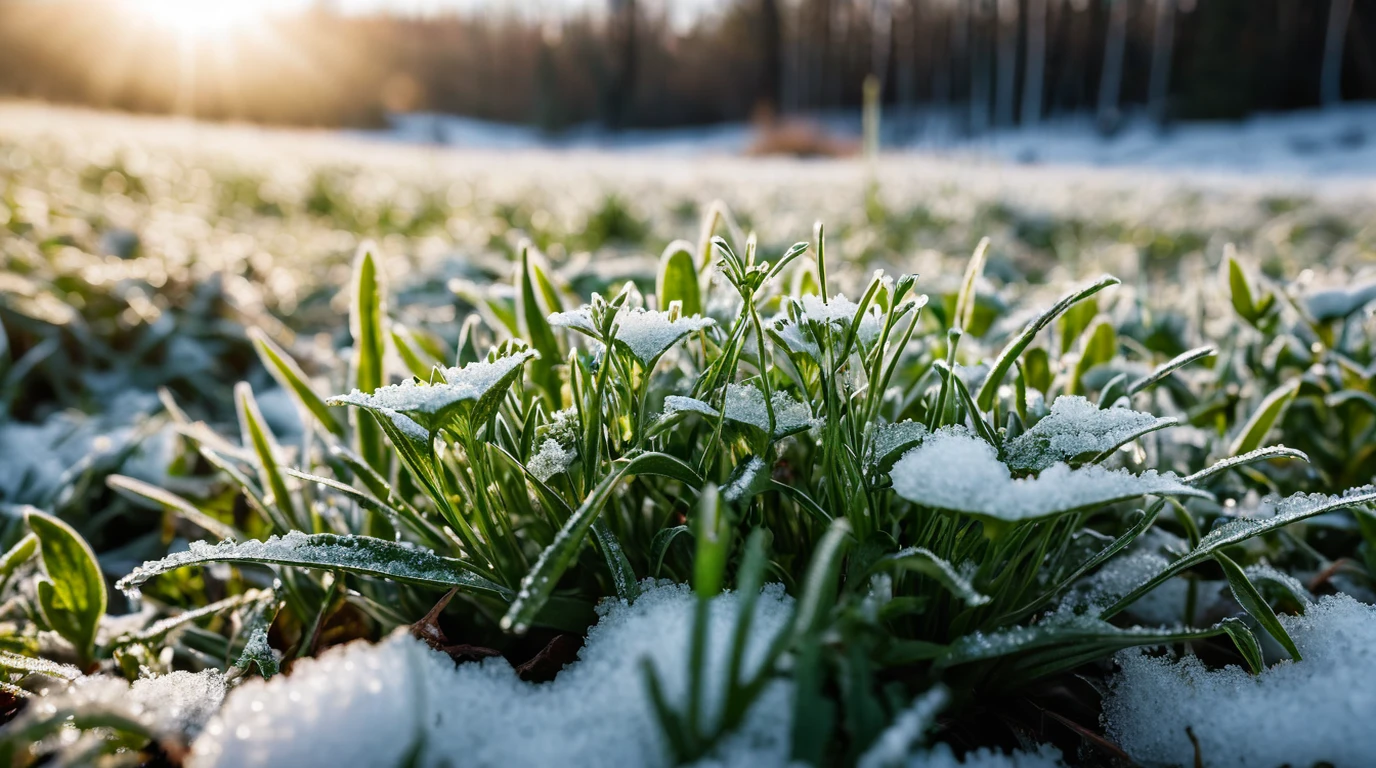
To prevent internal freezing and crystal formation from rupturing cell walls, cold-adapted plants synthesize protective osmoprotectants. These unique sugars, amino acids, and concentrated polyphenols act as a natural antifreeze [2].
Documented extensively across European and Anatolian ethnobotanical archives as vital “winter emergency food” (Notnahrung), these wild species often surpass cultivated hothouse vegetables in mineral and antioxidant density [3, 4]. As ethnobotanical researchers note, foraging cold-hardy greens has nourished human metabolic resilience for millennia [1, 3].
The Undefeated Green Wonder: Common Chickweed (Stellaria media)
Lifting a blanket of snow in dormant agricultural fields or orchard borders frequently reveals a lush carpet of vibrant green chickweed. Despite its fragile appearance and slender stems, it effortlessly withstands temperatures as low as minus ten degrees Celsius [2, 5].

Chickweed presents a pleasant, mild flavor reminiscent of sweet corn silk and young sugar snap peas. Per hundred grams, it provides nearly twice the vitamin C content of an orange and significantly higher bioavailable iron than cultivated spinach [4].
It is particularly rich in organic silicon, magnesium, and potassium, which help fortify cellular membranes and connective tissues. Chickweed can be eaten raw in winter salads or lightly wilted with extra virgin olive oil into warm, soothing broths [5].
The Prebiotic Treasure in Deep Soil: Dandelion Roots (Taraxacum officinale)
While dandelion is famous for its cheerful yellow spring blossoms, the plant withdraws its vital energies into its deep taproot as winter approaches. This seasonal retreat turns the winter dandelion root into one of nature’s finest functional prebiotics [2, 4].
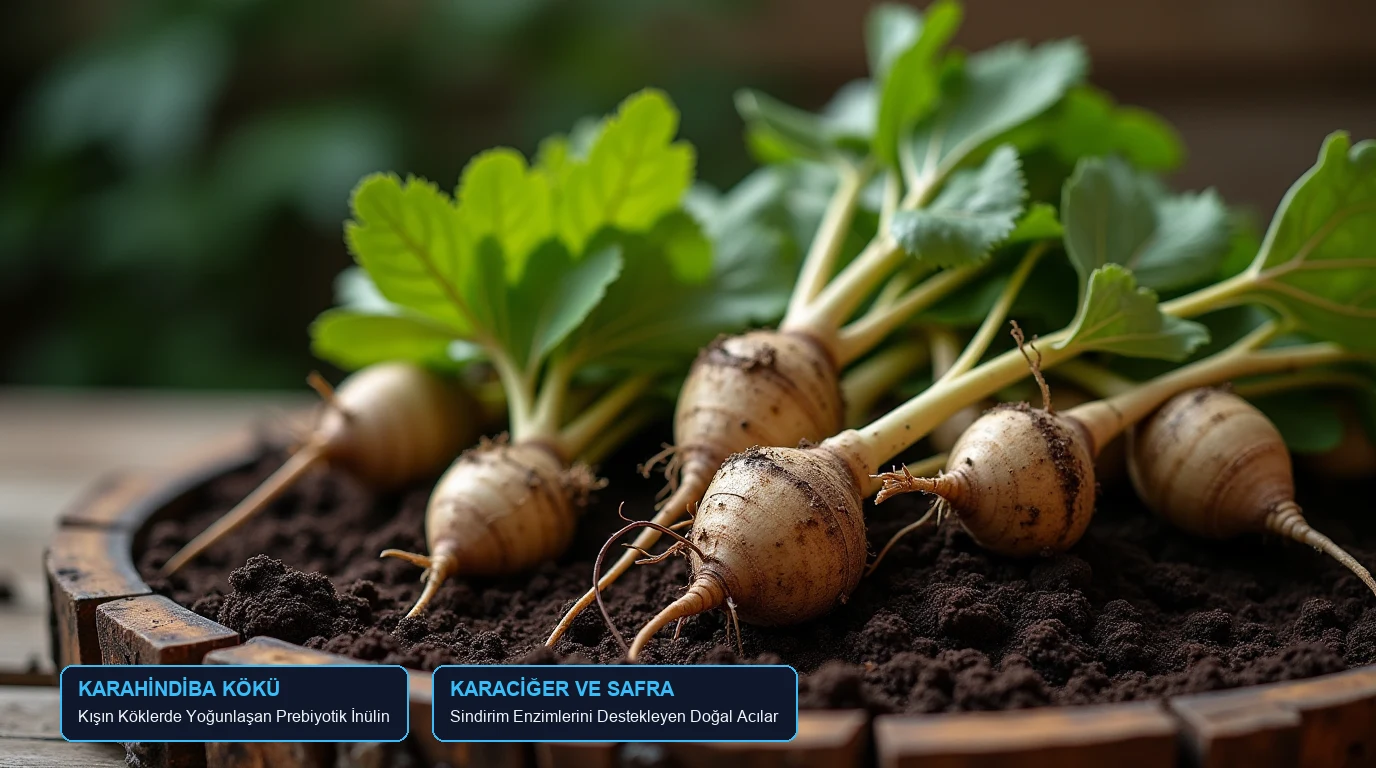
Up to forty percent of the dry weight of a winter dandelion root consists of inulin, a specialized soluble fiber. Inulin selectively fuels beneficial Bifidobacteria in the lower digestive tract, supporting immune equilibrium during harsh cold spells [4].
Furthermore, the bitter sesquiterpene lactones (taraxacin) present in the roots and baseline rosettes stimulate liver bile secretions, enhancing the digestion of heavier winter meals. Thoroughly washed roots can be roasted for prebiotic herbal infusions, while baseline leaves can be gently blanched [3].
Winter Shoots Defying the Frost: Stinging Nettle (Urtica dioica)
Although commonly regarded as a springtime plant, stinging nettle continues to produce deep green basal shoots in sheltered woodland borders and stone wall margins throughout winter. These young shoots contain extraordinarily concentrated chlorophyll [3, 5].
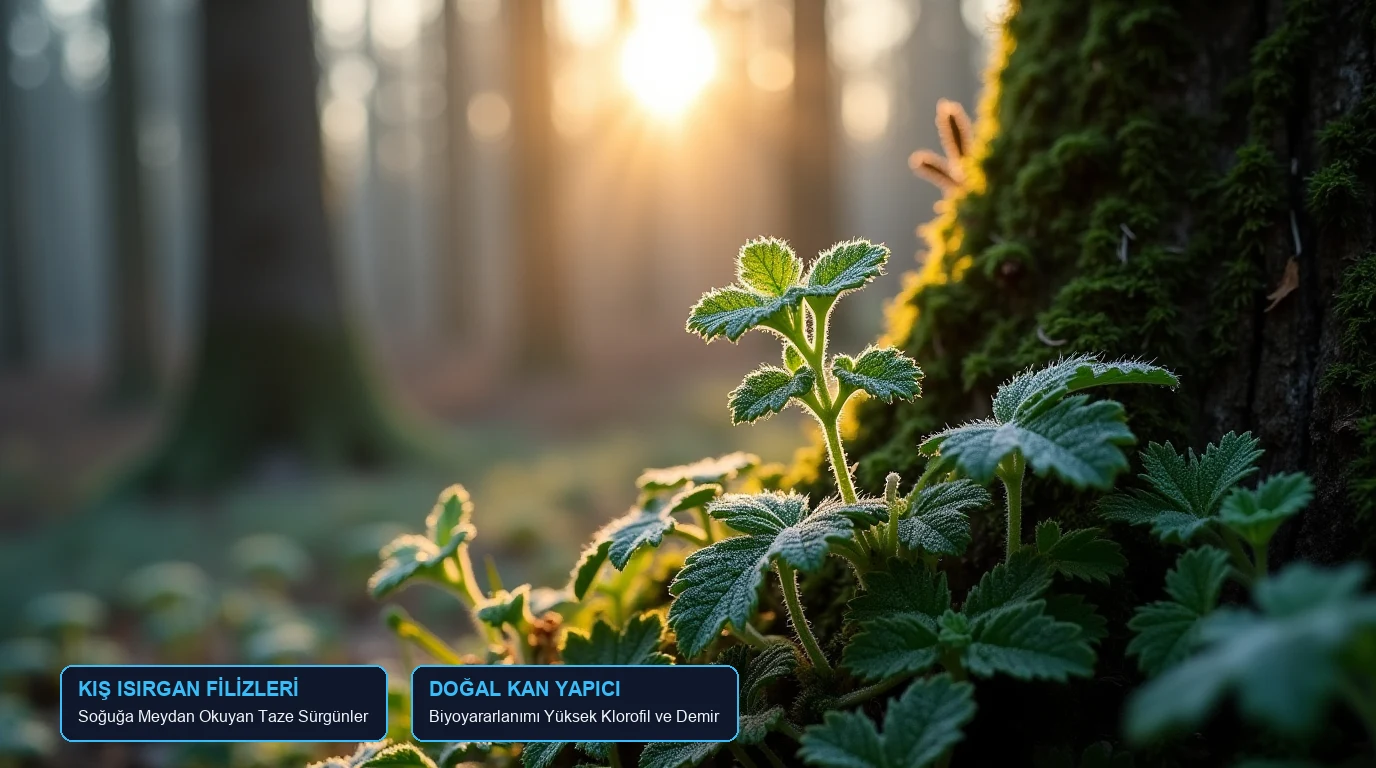
Nettle leaves feature among the most bioavailable plant sources of iron, calcium, and quercetin. In traditional phytotherapy, they are revered for invigorating sluggish circulation and combating winter fatigue [4].
Wearing protective gloves during harvesting is essential; however, immersing the shoots in boiling water for merely thirty seconds permanently deactivates their stinging hairs. The blanched shoots enrich winter soups, broths, and rustic grain dishes [5].
The Emerald Guardian of Unfrozen Streams: Watercress (Nasturtium officinale)
Floating gracefully along the margins of swift, unfrozen mountain springs and clear winter streams, watercress represents one of the most potent winter health tonics. The constant flow of ground-warmed water prevents surrounding ice from damaging its tender leaves [2, 6].
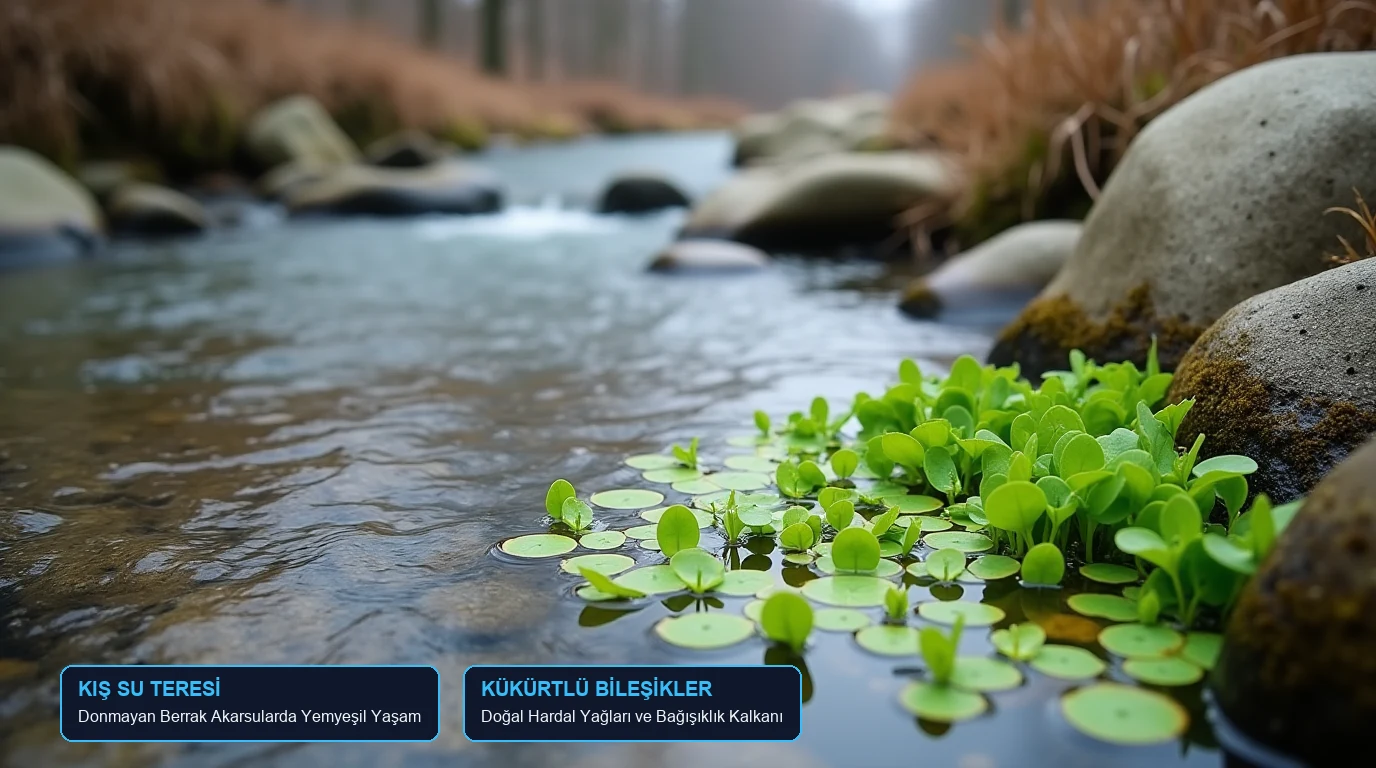
Upon chewing, watercress releases a distinct peppery, mustard-like pungency. This flavor originates from phenethyl isothiocyanate (PEITC) and sulfur-bearing glucosinolates liberated during mastication [4].
These natural phytochemicals support upper respiratory clearing and stimulate cellular detoxification pathways. When harvesting watercress, ensure the watercourse is pristine, rapidly moving, and located far away from livestock pastures [6].
13 Additional Medicinal Wild Herbs To Find in Winter
Beyond the four primary staples, winter meadows and forests shelter thirteen other remarkably hardy wild edibles [1, 3]:
- 5. Ribwort Plantain (Plantago lanceolata): Winter basal rosettes remain evergreen; its aucubin glycosides and mucilage soothe winter bronchial irritation.
- 6. Broadleaf Plantain (Plantago major): Renowned for tissue-soothing properties; tender winter leaves can be finely sliced into vegetable stews.
- 7. Winter Cress / Yellow Rocket (Barbarea vulgaris): Produces glossy green rosettes even under ice; rich in vitamin C and tonic bitter compounds.
- 8. Hairy Bittercress (Cardamine hirsuta): Forms compact rosettes along garden paths; features a sharp, peppery arugula flavor ideal for fresh salads.
- 9. Shepherd’s Purse (Capsella bursa-pastoris): Identified by heart-shaped seed pouches; contains flavonoids that support microvascular tone.
- 10. English Daisy (Bellis perennis): Capable of blooming even in chilly winter sunshine; flowers and rosettes provide metabolic support in herbal infusions.
- 11. Yarrow (Achillea millefolium): Feathery ground-level winter leaves survive heavy frost; contains azulene that supports digestive enzyme secretion.
- 12. Ground Ivy (Glechoma hederacea): An aromatic evergreen creeper; historically utilized as a winter tonic for metabolic balance and digestive comfort.
- 13. Garlic Mustard (Alliaria petiolata): Leaves release a distinct garlic scent when crushed; packed with natural antimicrobial mustard oils.
- 14. Wild Garlic / Ramsons (Allium ursinum): Emerges late in winter; brimming with cardiovascular-protective allicin and sulfur compounds.
- 15. Rose Hips (Rosa canina): Softened by repeated frost cycles; packed with natural lycopene, galactolipids, and concentrated vitamin C.
- 16. Common Mallow (Malva neglecta): Prostrate cold-hardy rosettes rich in soothing mucilage that coats irritated mucosal linings.
- 17. Cleavers (Galium aparine): Early winter tendrils stimulate lymphatic drainage and interstitial fluid balance during sedentary winter months.
Winter Wild Greens Nutritional Profile and Culinary Matrix
The following summary table outlines the prominent bioactive compounds and optimal culinary preparations for key winter wild species:
| Plant Name | Botanical Name | Key Active Nutrients | Traditional Health Benefit | Recommended Culinary Use |
|---|---|---|---|---|
| Common Chickweed | Stellaria media | Vitamin C, Iron, Silica | Connective tissue and skin vitality | Fresh raw salads, green pesto |
| Dandelion (Taproot) | Taraxacum officinale | Inulin (prebiotic), Bitter lactones | Gut microbiome, Hepatic stimulation | Roasted root tea, Blanched roots |
| Young Nettle Shoots | Urtica dioica | Iron, Calcium, Chlorophyll | Hematopoiesis and winter fatigue | Blanched soups, Vegetable quiches |
| Watercress | Nasturtium officinale | Glucosinolates, PEITC, Iodine | Respiratory clearing, Detox enzymes | Fresh appetizers, Raw sandwiches |
| Winter Cress | Barbarea vulgaris | Mustard oils, Provitamin A | Immune support and digestion | Lemon-dressed winter salads |
| Ribwort Plantain | Plantago lanceolata | Mucilage, Aucubin glycoside | Soothing throat and bronchial tracts | Hot steeped herbal infusion |
| Rose Hips | Rosa canina | Vitamin C, Lycopene, Galactolipids | Joint comfort and antioxidant power | Winter decoctions, Seedless purée |
The Art of Winter Foraging: 5 Golden Safety Rules
Foraging wild herbs in the cold season offers deep mental clarity and restores connection to natural rhythms. However, nature’s bounty demands rigorous respect, caution, and botanical discipline [1, 5].
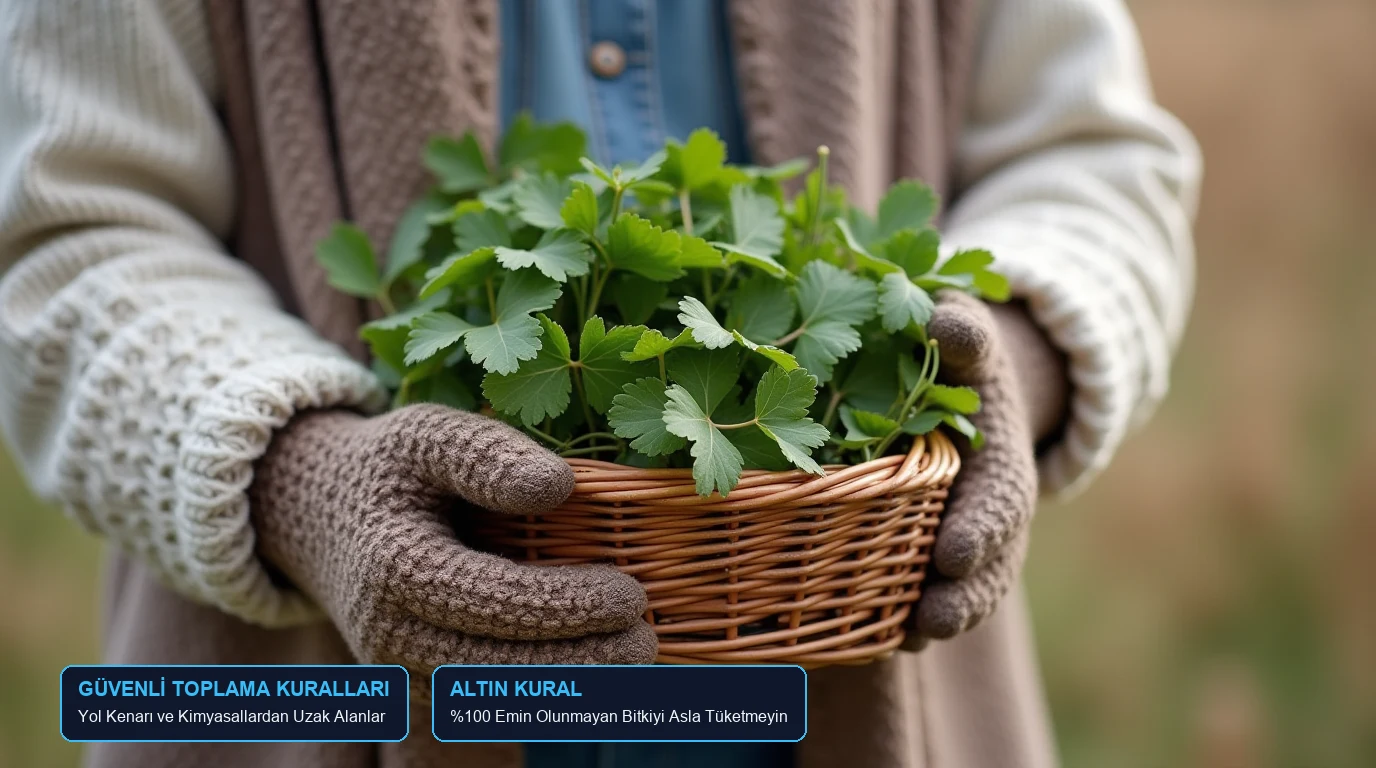
Adhere strictly to these five fundamental guidelines during every winter outing:
- The Absolute Certainty Rule: If you harbor the slightest doubt concerning leaf morphology, stem structure, or aroma, do not harvest. Poison hemlock (Conium maculatum) and autumn crocus (Colchicum autumnale) can emerge in similar habitats and carry lethal consequences.
- Pristine Foraging Zones: Collect only in meadows and woodlands situated at least one hundred meters away from vehicular traffic and industrial runoff to prevent heavy metal exposure.
- Sustainable Harvesting: Snip outer leaves gently using scissors rather than uprooting entire plants, allowing root systems to regenerate vigorously come springtime.
- Avoid Stagnant Waters: When harvesting watercress, ensure the spring source is fast-flowing and clean. Never harvest aquatic herbs downstream from pastures due to liver fluke (Fasciola hepatica) contamination risks.
- Tolerance Testing: When introducing an unfamiliar wild herb into your diet, ingest only a small spoonful initially and monitor your bodily response for twenty-four hours.
In the Kitchen: Preserving Heat-Sensitive Nutrients
A common culinary error upon returning home with freshly foraged winter greens is prolonged boiling, which destroys delicate heat-sensitive phytonutrients and enzymes [4, 5].
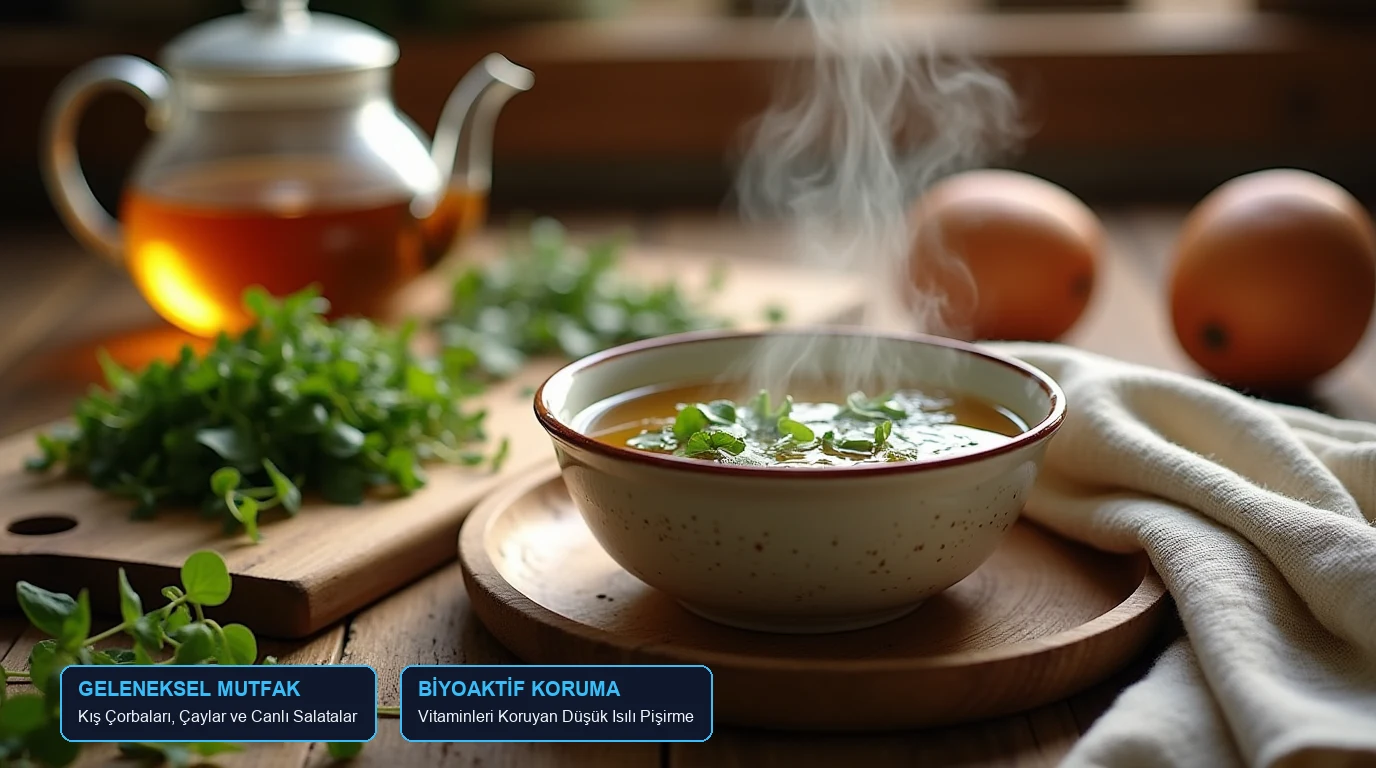
Tender greens like chickweed and hairy bittercress should merely be rinsed under cold running water and dressed raw. A touch of freshly squeezed lemon juice and cold-pressed extra virgin olive oil enhances the bioavailability of fat-soluble vitamins [4].
When incorporating fibrous greens like winter nettle or mallow into warm broths, turn off the heat source before stirring in the chopped greens. Covering the pot and allowing them to steep in residual steam for three to five minutes softens fiber while safeguarding antioxidant integrity [5].
Frequently Asked Questions
Are wild herbs damaged or toxic after heavy frost?
On the contrary, frost cycles prompt hardy species to concentrate sugars, mitigating bitterness and enhancing flavor. For instance, rose hips and blackthorn become far sweeter following early frosts. However, discolored, translucent, or decaying leaves should always be avoided.
How do I reliably differentiate wild garlic from toxic lily of the valley?
Aroma serves as the decisive identifier. Gently crushing a wild garlic leaf between your fingertips releases an unmistakable, pungent garlic aroma. Toxic lily of the valley (Convallaria majalis) and autumn crocus (Colchicum autumnale) lack this characteristic scent entirely. Never consume any specimen lacking an authentic garlic smell.
Can winter wild greens be stored in the freezer?
Delicate water-dense herbs like chickweed collapse into mush upon thawing and should be consumed fresh. However, blanched winter nettle and mallow leaves freeze exceptionally well in small portions for several months.
Is winter wild foraging safe for pregnant women and children?
Mild greens like chickweed are generally gentle and safe for family salads. However, bioactive herbs such as yarrow and shepherd’s purse can stimulate uterine contractions and should be avoided during pregnancy and lactation. Expectant mothers must always consult their obstetrician before consuming medicinal wild plants.
References and Further Reading
- [1] Telegram: Schoepferinsel Channel. (2026). “Selber sammeln: 17 essbare Wildkräuter im Winter – Notnahrung.” Topic signal and ethnobotanical winter wild foraging insights. Online Source
- [2] Heinrich, M., et al. (2021). “Local food-medicines in Europe: Ethnobotanical perspectives and biological evaluation.” Journal of Ethnopharmacology, 268, 113645. DOI: 10.1016/j.jep.2020.113645
- [3] Luczaj, L., et al. (2012). “Wild food plant use in 21st century Europe: the disappearance of old traditions and the search for new cuisines.” Acta Societatis Botanicorum Poloniae, 81(4), 359–370. DOI: 10.5586/asbp.2012.031
- [4] Sánchez-Mata, M. C., et al. (2012). “Wild vegetables of the Mediterranean area as valuable sources of bioactive compounds.” Genetic Resources and Crop Evolution, 59(3), 431–443. DOI: 10.1007/s10722-011-9693-6
- [5] Ceuterick, M., et al. (2011). “The use of wild food plants in European ethnobotany: Nutritional values and potential toxicity.” Phytotherapy Research, 25(8), 1109–1120. PMID: 21254247
- [6] Kalle, R., & Sõukand, R. (2016). “Current and historical use of wild food plants in Estonia: From emergency food to gourmet.” Journal of Ethnobiology and Ethnomedicine, 12(1), 37. DOI: 10.1186/s13002-016-0109-2
For informational purposes only; consult a physician for medical diagnosis or treatment.